When devotion stops feeling rewarding
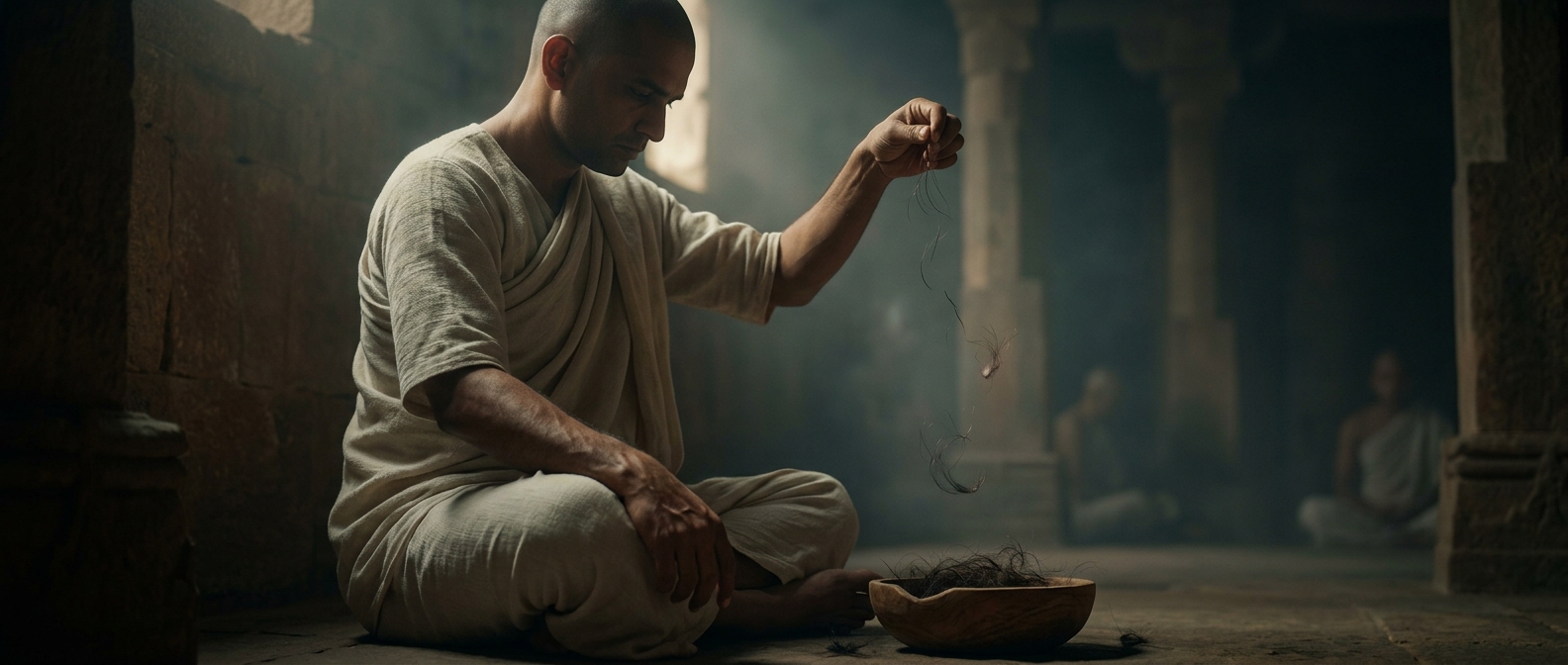
In many forms of religious practice, prayer is not understood only as a way to feel comfort or closeness. It can also be a commitment: something a person continues because it matters, even when the expected warmth, clarity, or sense of presence is missing. “Spiritual dryness” names that gap between the practice and the feeling a person hoped it would bring.
That gap can make routine prayer feel mechanical. A devotee may wonder whether distraction or reluctance means their faith has weakened. Some spiritual teachers have instead framed the absence of consolation as a test of character: the question, in that view, is whether devotion depends entirely on a pleasing emotional response.
What the interpretation can—and cannot—mean
This framing changes how a difficult period is understood. Rather than treating every prayer as a transaction that should produce immediate peace, it asks the person to separate the act of praying from the feelings that may or may not accompany it. The practice can retain meaning even when it feels ordinary.
But calling dryness a test is an interpretation, not proof that pushing through is always the right response. Fatigue, stress, or a demanding routine can also make any repeated activity feel burdensome. A person might change the length or form of prayer, take a pause, or seek guidance from someone they trust. The useful distinction is between a temporary lack of spiritual feeling and a need to care for oneself; the experience alone does not settle which one is at work.