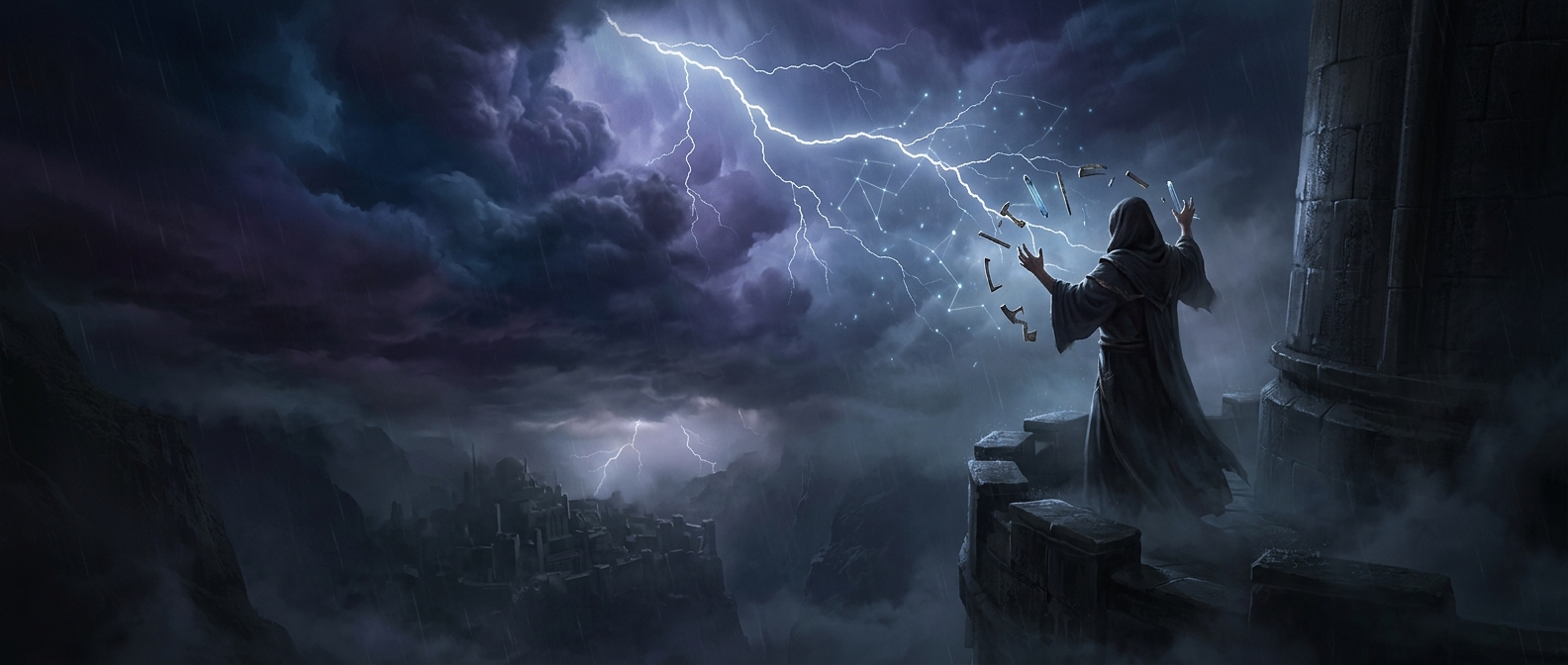
When Thunder Became a Directional Omen
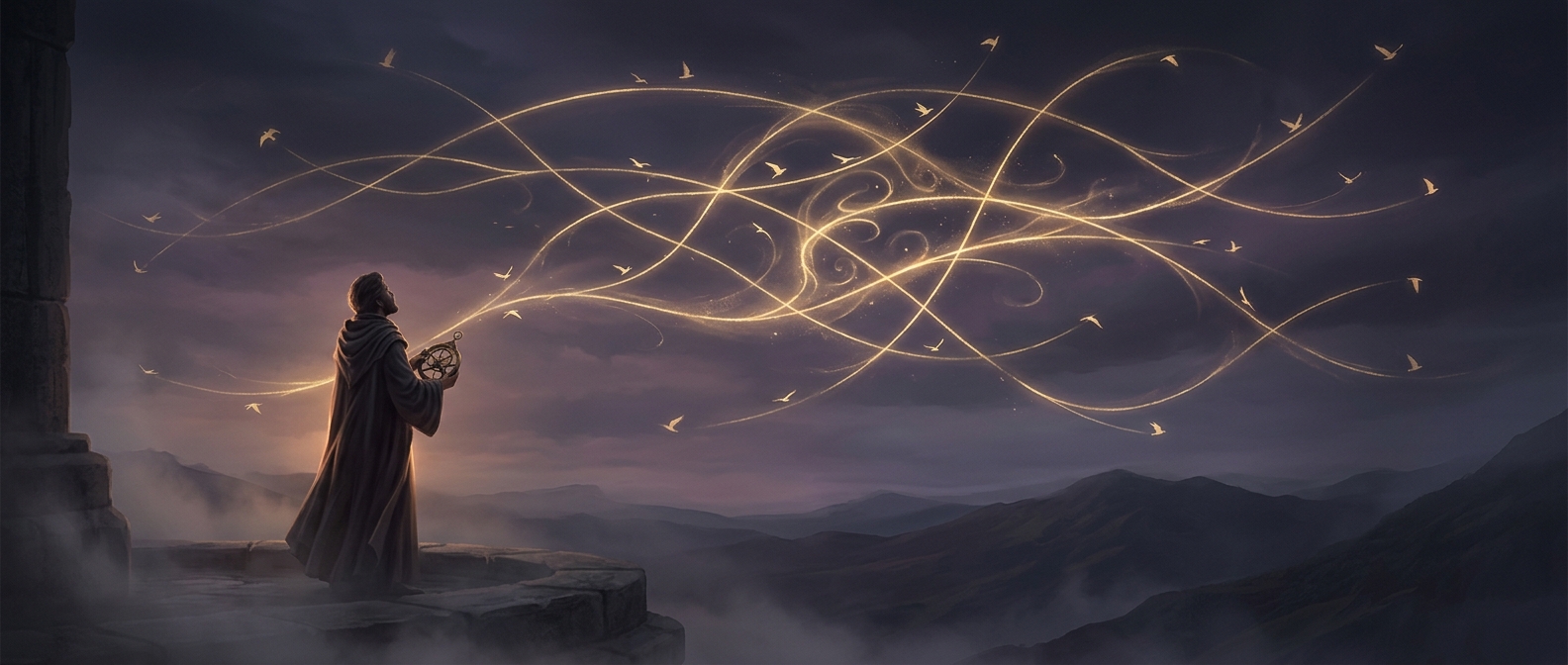
In some omen-reading traditions, thunder was not just a sound announcing a storm. Where it seemed to come from could also be read as a sign: a crack to the listener’s left or right was taken to foretell doom. The meaning depended on the hearer’s position, turning an ordinary moment outdoors into something to interpret.
Thunder is produced by lightning heating the surrounding air so abruptly that the air expands in a shock wave. The resulting rumble can seem to come from a particular direction, though echoes and the shape of the landscape may complicate that impression. The omen, however, rested on the perceived direction—not on a physical prediction the sound itself could establish.
A Warning With No Safe Side
The striking feature is that neither direction offered reassurance: left meant doom, and right did too. This was not a directional code for choosing one side over another. Instead, whichever way the sound seemed to come, it could be received as a warning.
That makes the belief less like a weather forecast and more like a way of assigning significance to an unsettling event. The thunderclap did not have to change; the listener’s sense of where it came from supplied the omen. And with both sides carrying the same message, there was no favorable direction to wait for.