How Game Skills Become Paid Work
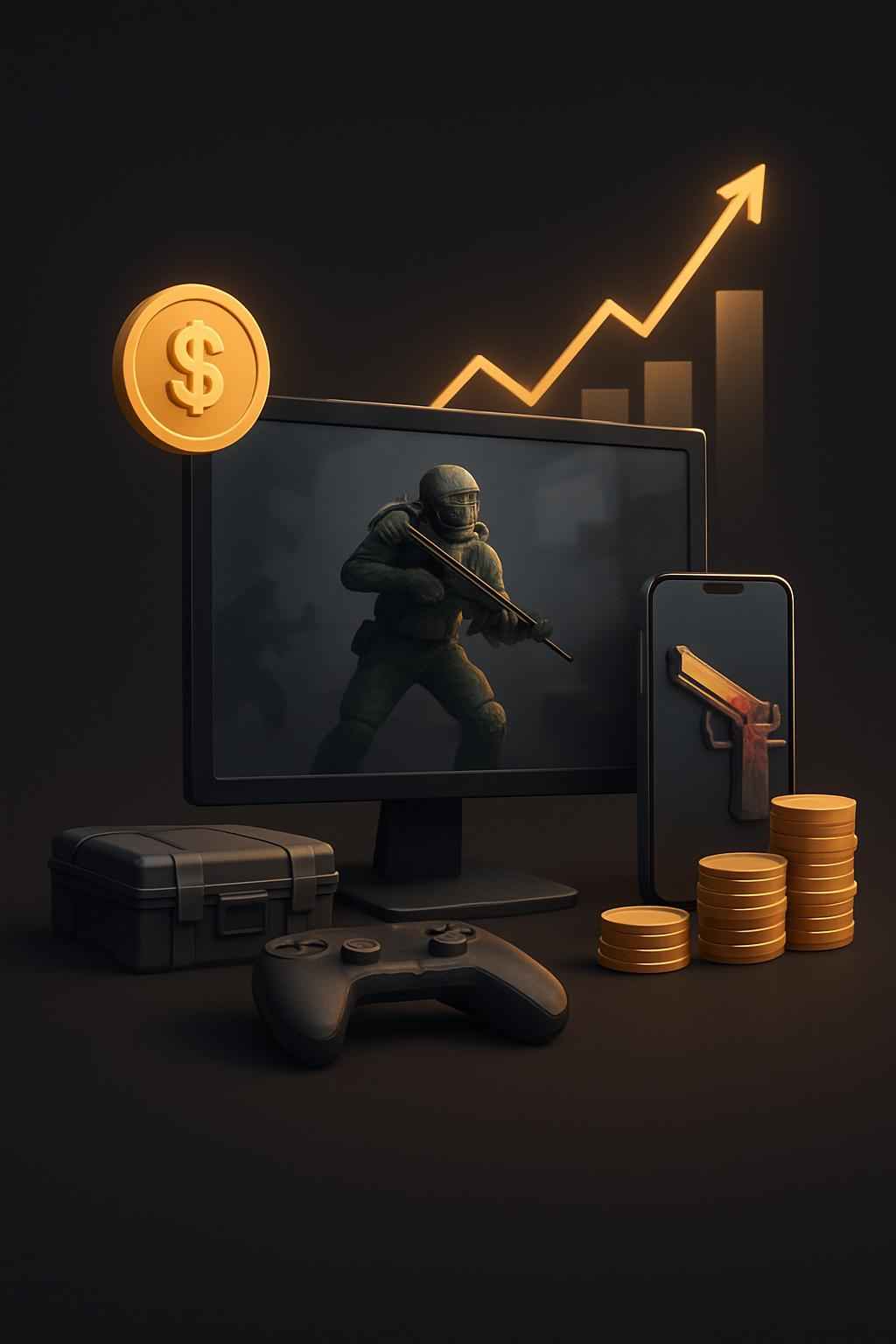
A game can create several kinds of value at once: a useful item, a better-performing player, an audience, or a modification other players want to use. Turning that value into income depends on who pays and how the game or platform allows money to change hands.
Different routes, different payers
Cosmetic trading is closest to a resale market. Players exchange decorative items, and in some games or marketplaces, rare or sought-after items can command higher prices. But demand can shift, and platform rules may limit whether proceeds can be withdrawn as cash rather than spent inside the service.
Coaching sells expertise directly: a player pays for feedback, practice, or help understanding a game’s strategies. Streaming works differently. The creator builds an audience, then may earn through subscriptions, advertising, donations, or sponsorships. In both cases, income depends less on simply playing than on making the activity useful or entertaining to other people.
Why making content can pay—and why it may not
A mod changes or adds to a game, while a Workshop item is content submitted through Steam’s community tools. Uploading something does not automatically create a paycheck. Whether creators are paid, and how, depends on the particular game and its arrangement with contributors; some items may be supported through sales or other revenue-sharing systems, while others are made for free.
That distinction matters because the work can resemble freelance production: creators may need to design, test, revise, and maintain content, often without guaranteed demand. The game supplies the setting, but the paying opportunity usually comes from a community or platform choosing to value what someone contributes. A popular item or skilled service can therefore become a side income, while another project may attract attention without producing cash.