Why the Hardest Hits Happen Off-Camera
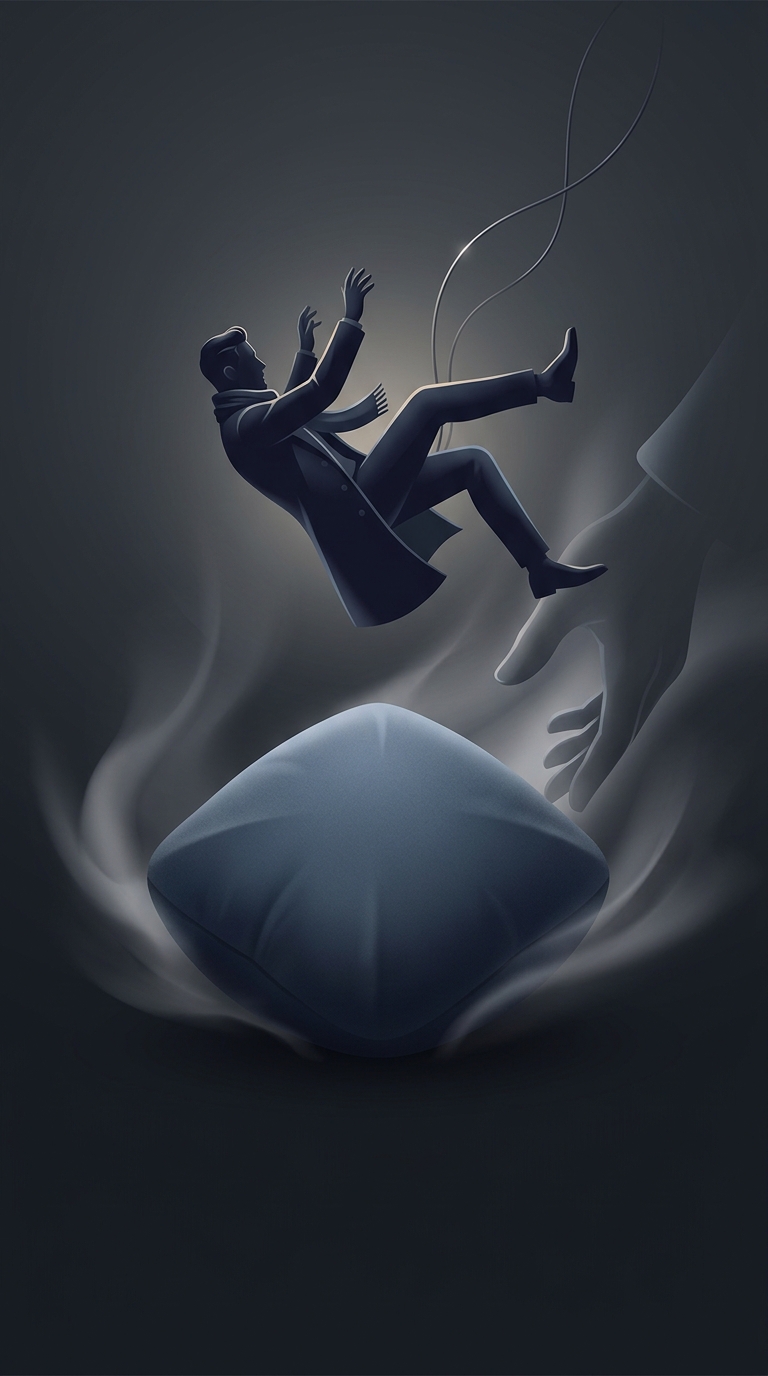
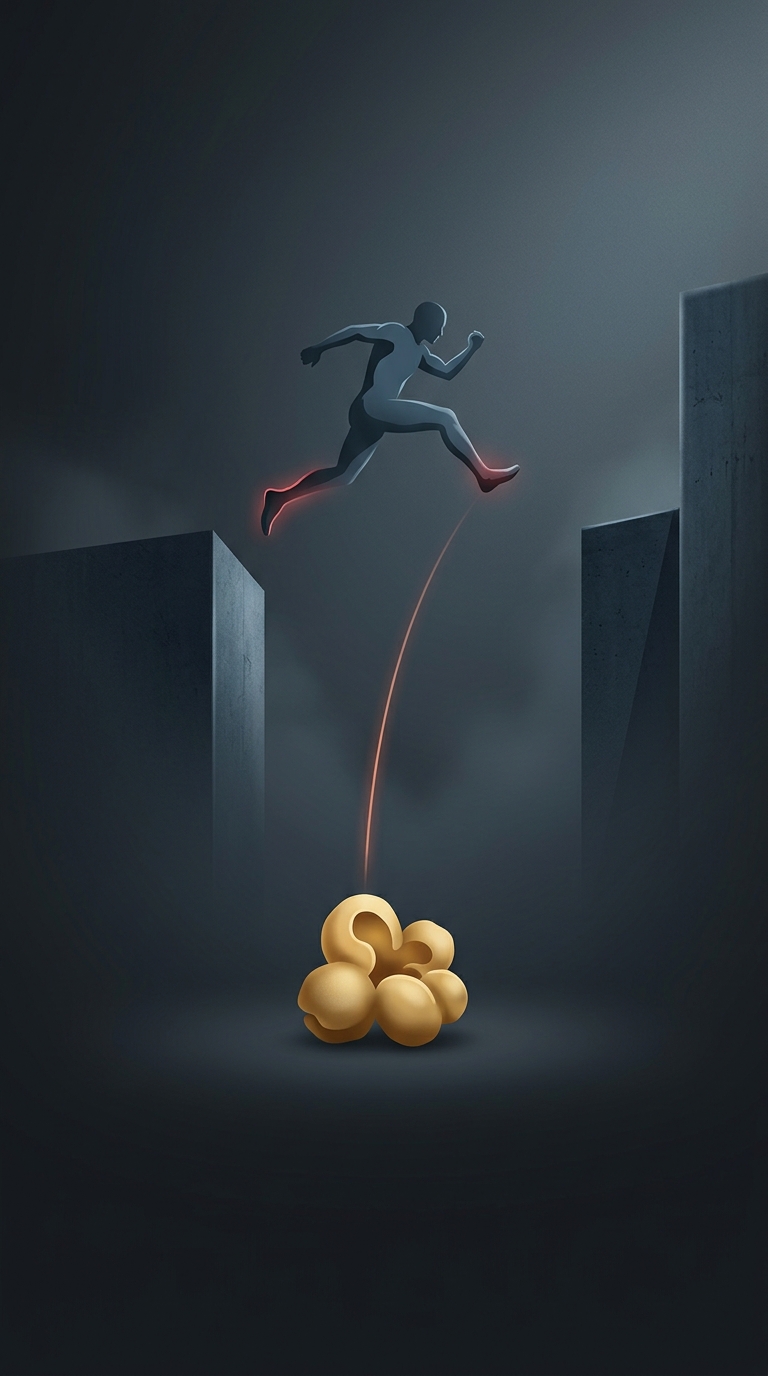
A screen punch is a piece of choreography, not simply a blow delivered at full force. Stunt performers work out where bodies will move, what the camera will see, and how to make contact look convincing while controlling the risk. A fall or collision may depend on rehearsed timing, protective equipment, a prepared landing surface, and the camera angle. The finished shot can make that planning disappear: viewers see the impact, not the people who engineered it.
Recognition Inside the Crew
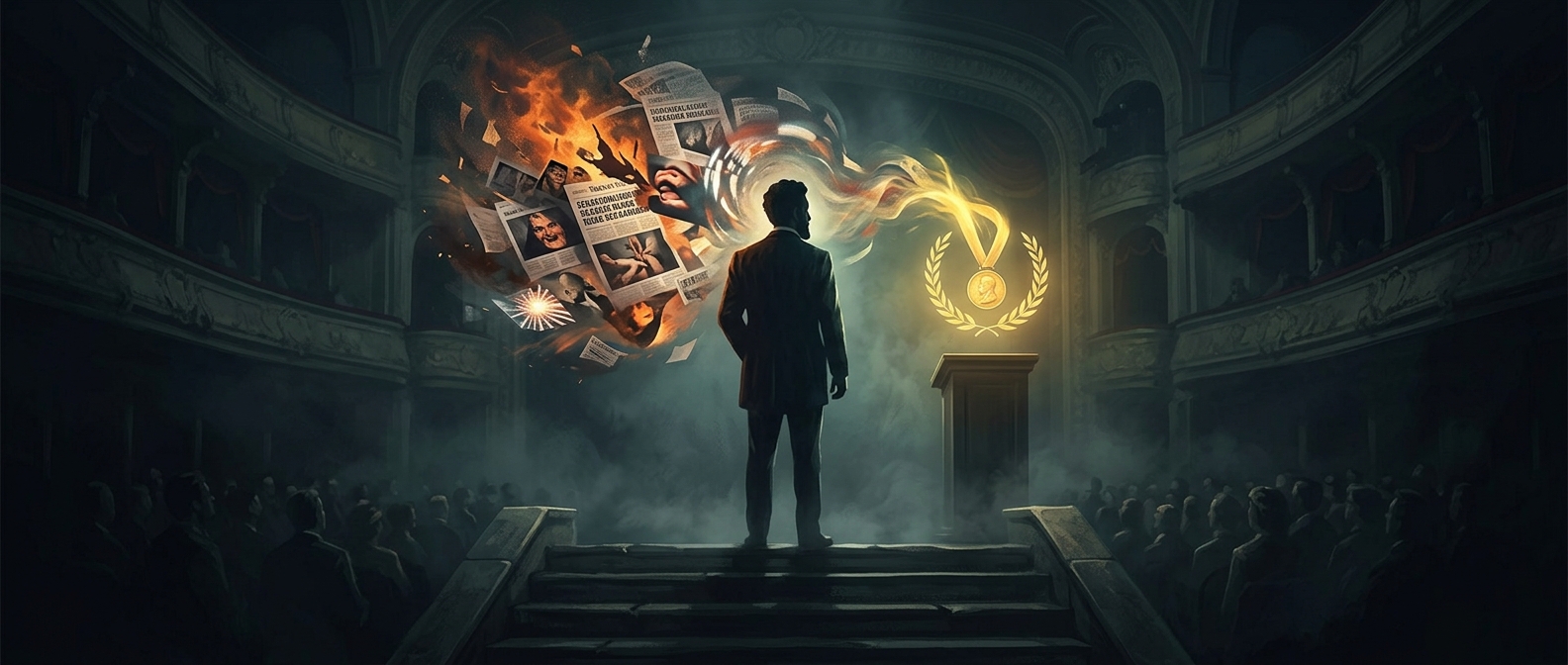
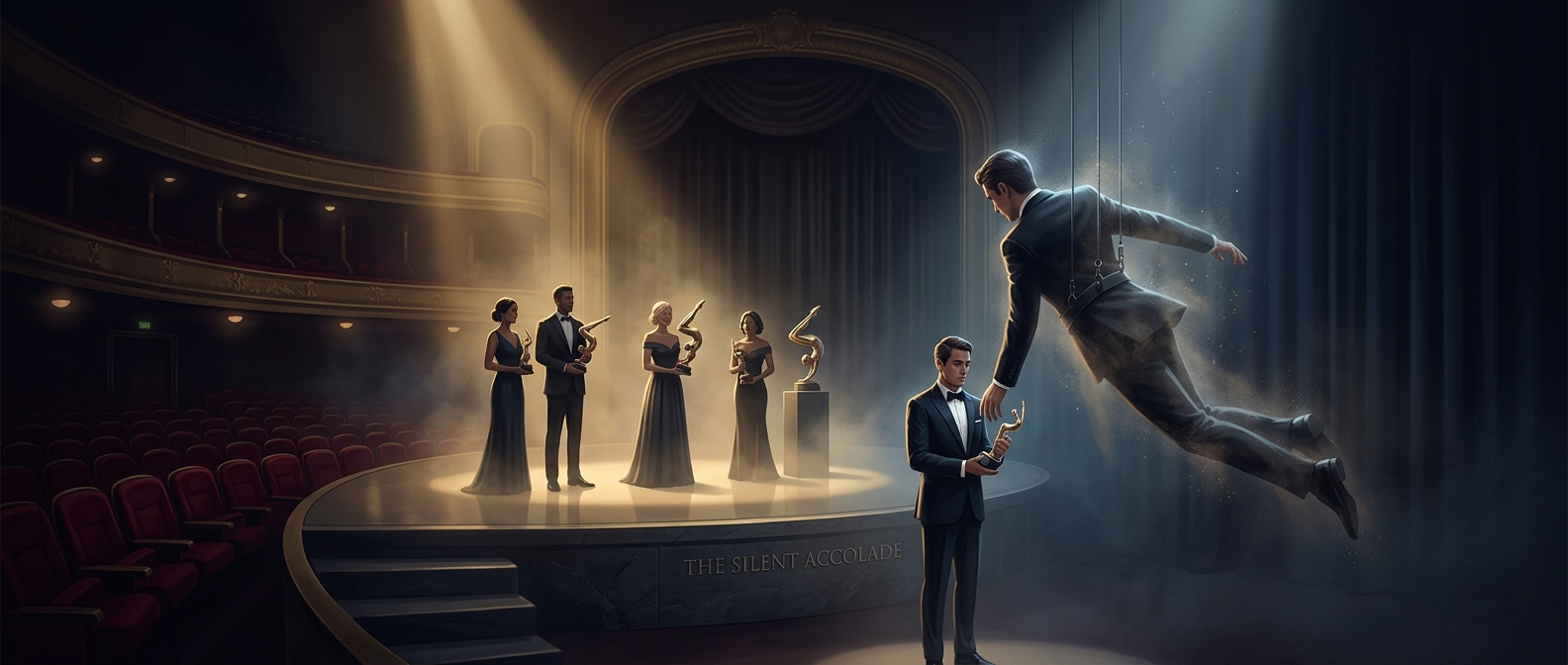
That invisibility can extend beyond the image. A scene is usually remembered through its stars and story, while the stunt performer’s contribution may be harder for an audience to identify. Private banquets offer a different kind of recognition, among people who understand what the work required. The honor is not just for taking a hit; it acknowledges precision, preparation, and trust among performers and crew.
There is a practical reason that trust matters. A performer’s movement has to match the timing of a camera, a partner, and often several other elements in the scene. If one part is off, the illusion can fail—and someone can get hurt. Being recognized by peers means being seen by people who know the difference between a dramatic-looking impact and a carefully controlled one.
The Credit Behind the Spectacle
The public may remember the crash or fall as a moment of movie magic. The private applause points to the less visible achievement: making a dangerous-looking moment readable on screen while managing its real-world risks.