Why the Fallout Ankle Injury Made the Cut
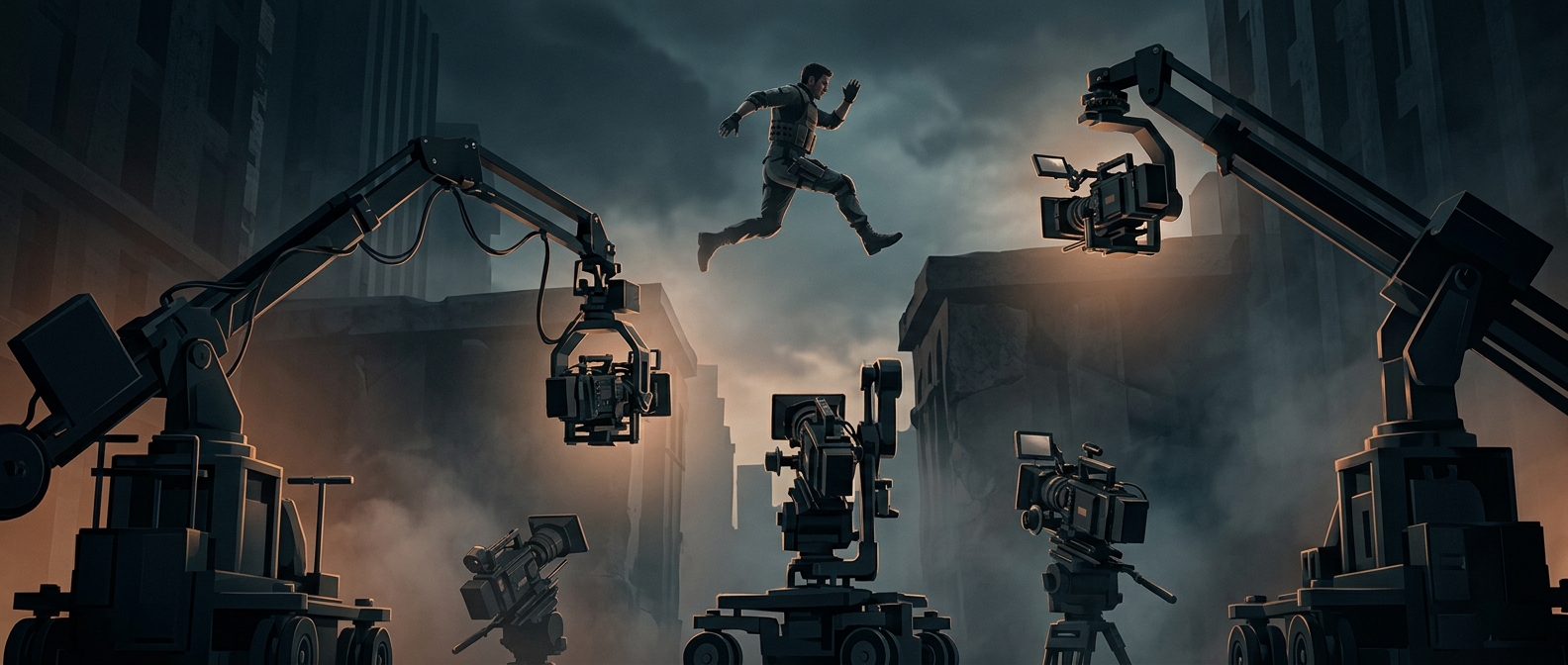
During a rooftop leap in Mission: Impossible—Fallout, Tom Cruise came up short of the next building and struck its side. The impact broke his ankle. The camera kept recording, and Cruise completed the movement before getting help. Director Christopher McQuarrie later retained the moment in the film—not as a separate stunt showcase, but as part of the chase.
A Real Accident Inside a Designed Scene
The sequence was planned as a chain of practical actions: Cruise ran, jumped, hit the building, and pulled himself onto the roof. “Practical” here means performed physically on set rather than created entirely with computer graphics. That approach gives actors and cameras real movement to capture, but it also means the gap, landing surface, and timing have to be carefully controlled—and a miss can have real consequences.
Cruise’s ankle broke when he hit the wall, but the shot did not end at the moment of impact. He continued running out of frame, then sought medical attention. The film uses that brief continuation to preserve the chase’s momentum. Viewers can see the jolt without being shown the full aftermath, so the accident reads first as action rather than as an interruption.
What the Footage Adds
Keeping the moment gave the scene an unusual kind of credibility: the hard impact was not simulated. But the finished sequence is still a piece of filmmaking, shaped by framing, editing, and the surrounding performance. A genuine injury does not make every beat of a scene spontaneous; it means one dangerous beat happened for real and became part of the movie.
That distinction is why the clip is so striking. The film’s illusion briefly reveals its cost, while Cruise’s continued movement turns a split-second accident into the chase’s most physically convincing moment.