Why Bruce Lee’s speed could disappear on film
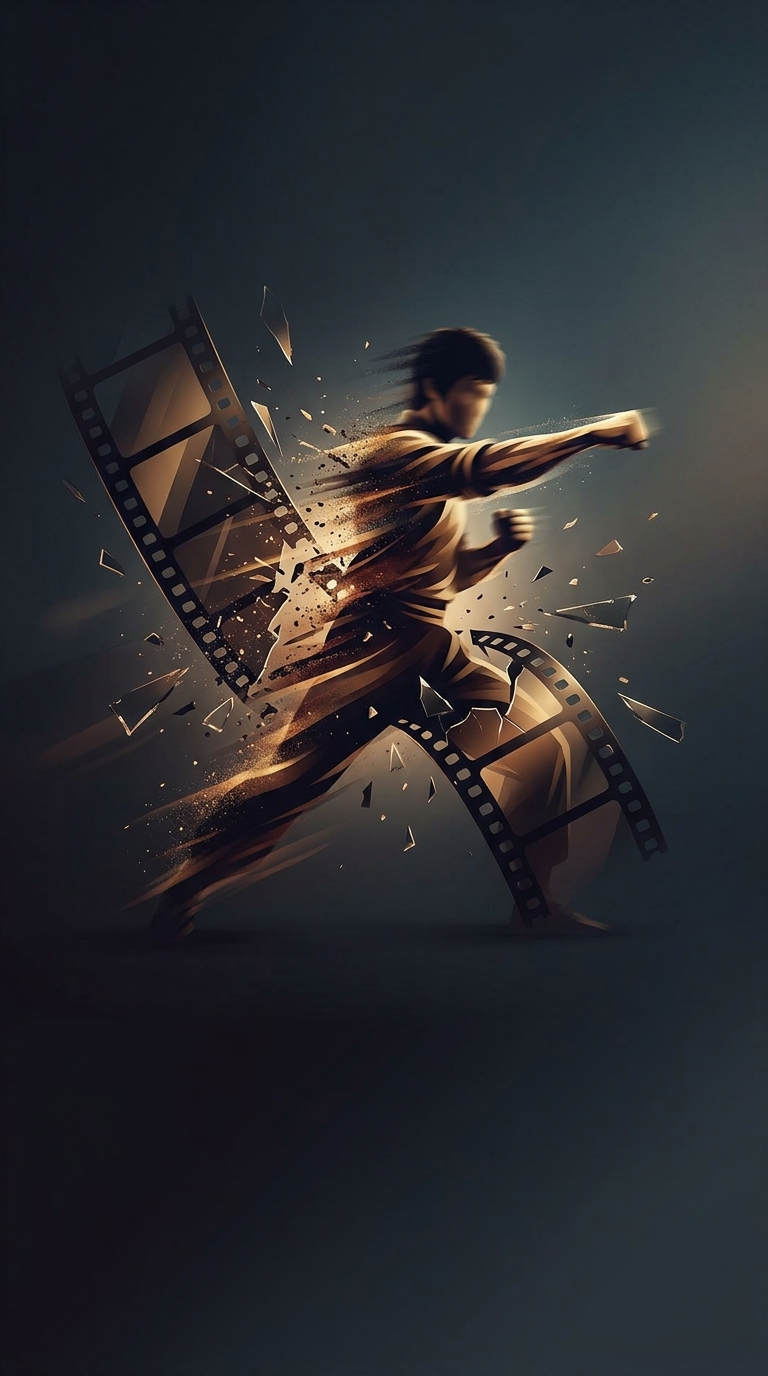
A camera recording at 24 frames per second samples motion only 24 times each second. A very fast punch can travel a long way between those samples, so the audience may see a blur or a sudden change of position rather than the punch’s path. The camera has not failed to record anything; the problem is that the movement can be too brief to read clearly at normal playback speed.
Frame rate is only part of the story. The shutter—the mechanism that controls how long each frame is exposed—also affects motion blur. But even a sharp image can leave viewers unsure what happened if a strike begins and ends between frames.
Making a real blow legible
For fight scenes, speed is not automatically an advantage. Viewers need enough time to register the attack, the defense, and the impact. When Lee’s movements came across too quickly, directors could ask him to slow the action so the camera could show the choreography clearly. That adjustment did not mean the camera was literally unable to film him; it meant his natural timing could outrun what looked convincing and understandable on screen.
The result is a revealing difference between performing a fight and filming one. A skilled martial artist may make a strike faster, but a movie has to present that strike at a pace the audience can follow. Lee’s challenge was not simply to move fast—it was to make speed visible. Slowing a motion slightly could make the screen version feel more forceful, because viewers could finally see how the blow was delivered.