A woman written as a turning point
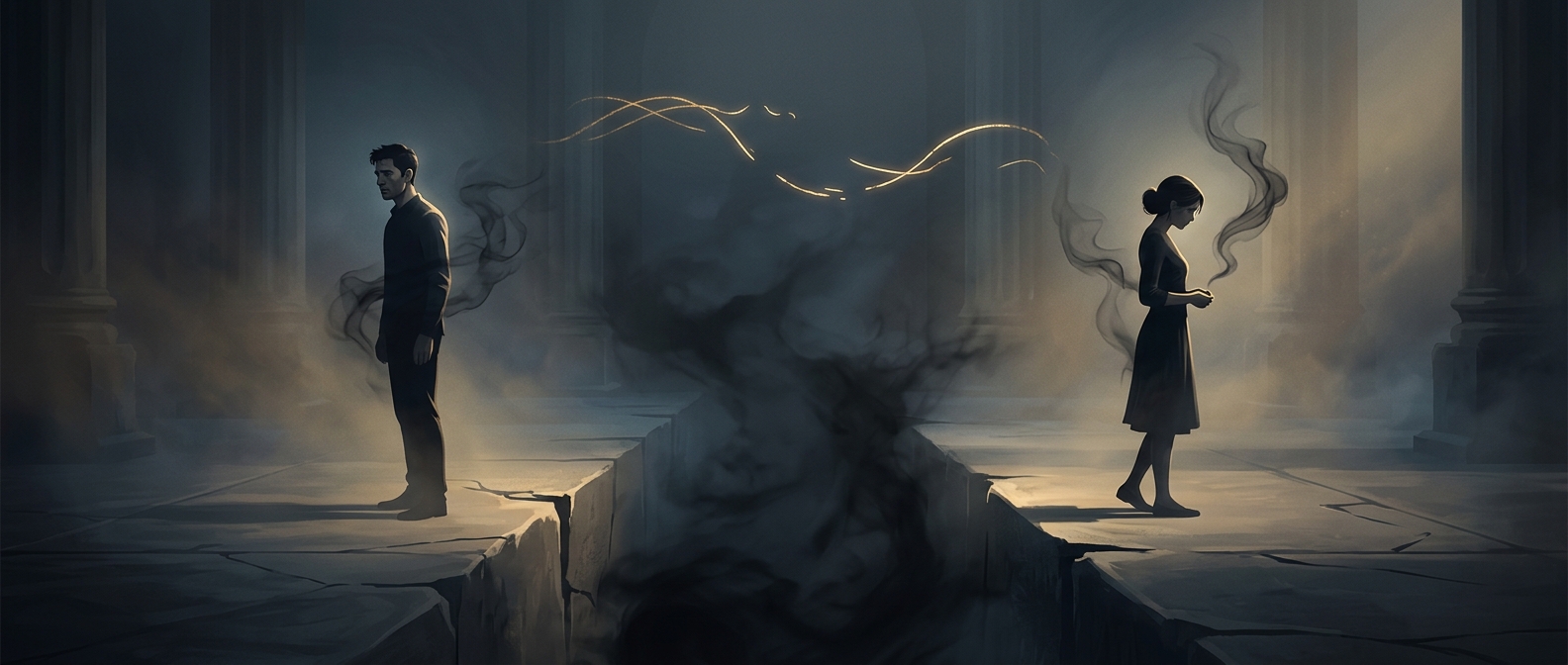
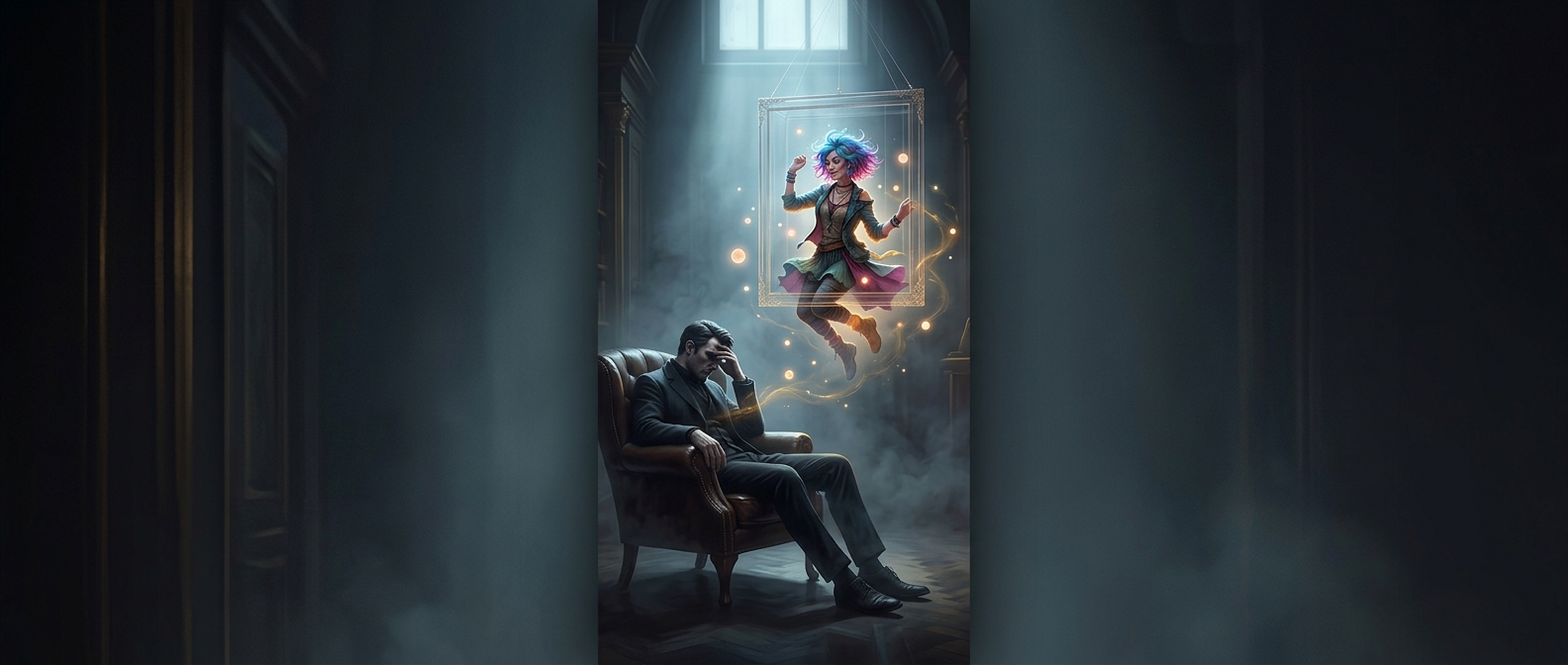
The “manic pixie dream girl” is a story role, not simply a label for any quirky or cheerful woman. She arrives in the life of a withdrawn male protagonist and helps him reconnect with the world—often through spontaneity, eccentric tastes, or a willingness to challenge his gloom. The plot may give her vivid habits, but not an equally vivid inner life: we learn what she does for him more than what she wants for herself.
That imbalance is the point. The character can appear to be the story’s source of energy while the man remains its emotional center. His growth is treated as the main event; her function is to make it happen.
How the trope moves the plot
A conventional version begins with a man stuck—isolated, grieving, or dissatisfied—and a woman who disrupts his routine. She draws him into experiences he would otherwise avoid, helps him see his life differently, or gives him permission to feel. Once he has changed, the story may send her away, pair her with him, or leave her future unexplored.
Because the transformation belongs to him, her own conflicts can be brushed aside as quirks rather than developed as serious needs. The result is a character who seems free-spirited but is confined by the plot: her apparent freedom serves someone else’s journey.
Why the label caught on
Critic Nathan Rabin coined the phrase while writing about Kirsten Dunst’s character in Elizabethtown. The name gave audiences a shorthand for noticing a familiar imbalance, not a rule that every lively female character fits. A playful woman can have her own goals, contradictions, and consequences; the key question is whether the story lets those matter independently of the man she affects.
That distinction changes what a viewer looks for. If the woman’s choices lead somewhere beyond his emotional recovery, she is more than a cure for his rut. If her story fades the moment he feels better, the plot has treated her less as a person than as a tool for his development.