How a polished accent became a screen signal
Received Pronunciation, often shortened to RP, is a traditionally prestigious form of British English associated with formal speech and elite education. It is not the way everyone in Britain speaks, and it is not a single accent shared by the whole country. But in films, its precise vowels and carefully shaped consonants can make a character sound controlled, cultivated, and socially distant.
Those qualities are useful shorthand for a villain. A measured delivery can make a threat feel deliberate; crisp enunciation can lend authority to an order. The accent does not create menace by itself. Rather, viewers have learned to connect its polished sound with status and power—and movies can turn that connection into a quick character cue.
Contrast does much of the work
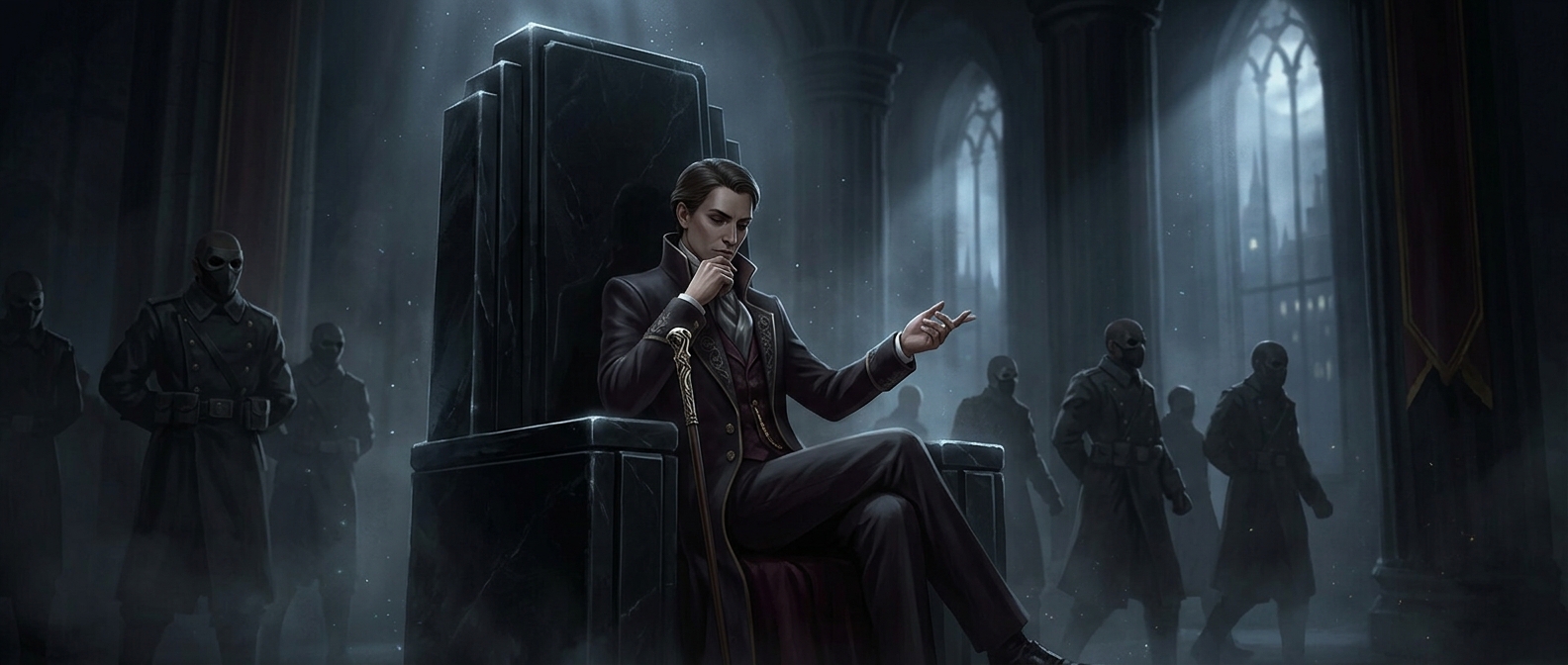
In many Hollywood stories, the central hero speaks in a familiar American accent, while an antagonist speaks in an accent marked as more formal or foreign to that setting. The difference helps separate the characters before the plot has fully explained their motives. A villain who sounds composed and aristocratic can seem to belong to a world of inherited privilege, secret institutions, or old authority.
British actors with strong training in stage performance have also long been cast in major film roles, including villains. Their command of formal diction can suit characters written to sound imposing or theatrical. Once audiences recognize the pattern, filmmakers can use the accent knowingly: it signals a type of character with very little setup.
A convention, not a verdict
The shorthand works because of cultural associations, not because any accent reveals a person’s character. British speech varies enormously, and RP has carried different meanings across regions, generations, and social settings. On screen, the same polished voice can suggest intelligence, elegance, or comic formality as easily as danger.
That flexibility is part of the trope’s appeal. A few carefully delivered lines can make a fictional antagonist sound powerful before the audience knows what they intend to do.