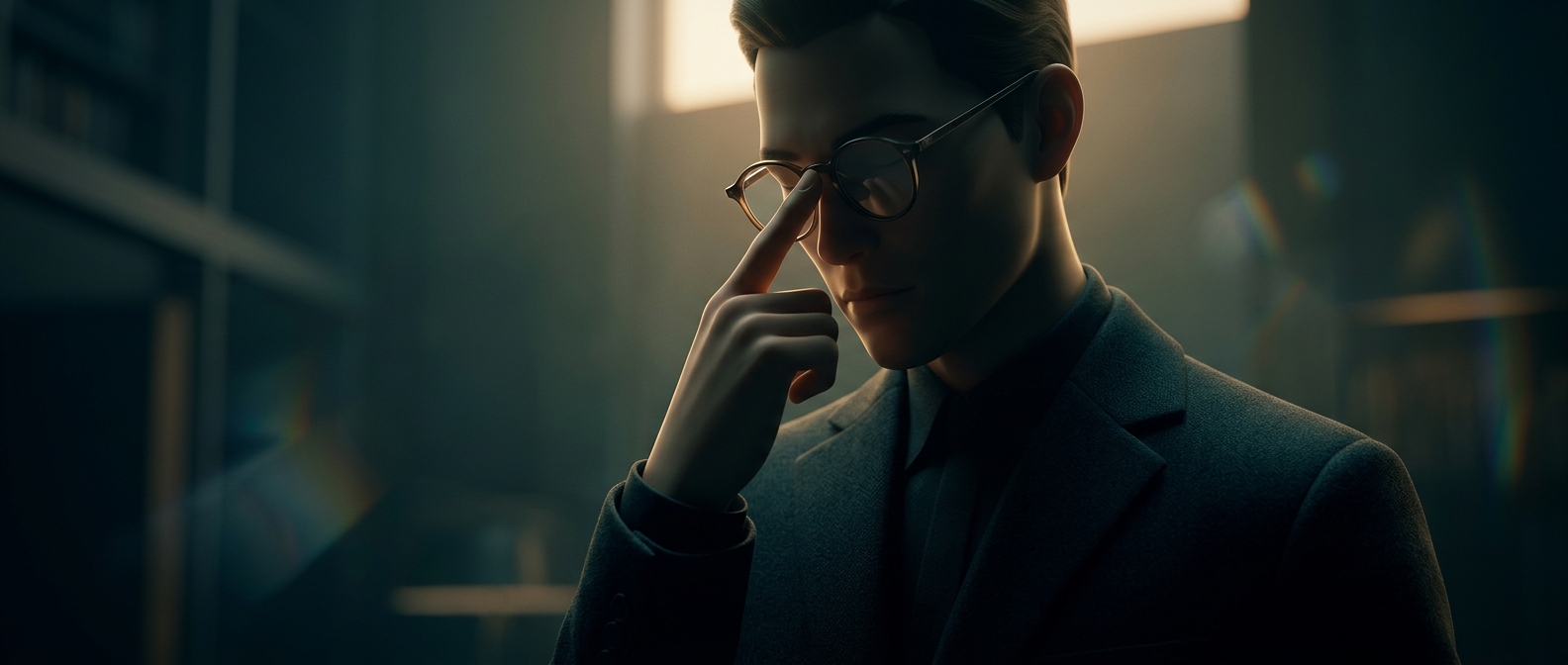
How a Smile Becomes a Warning
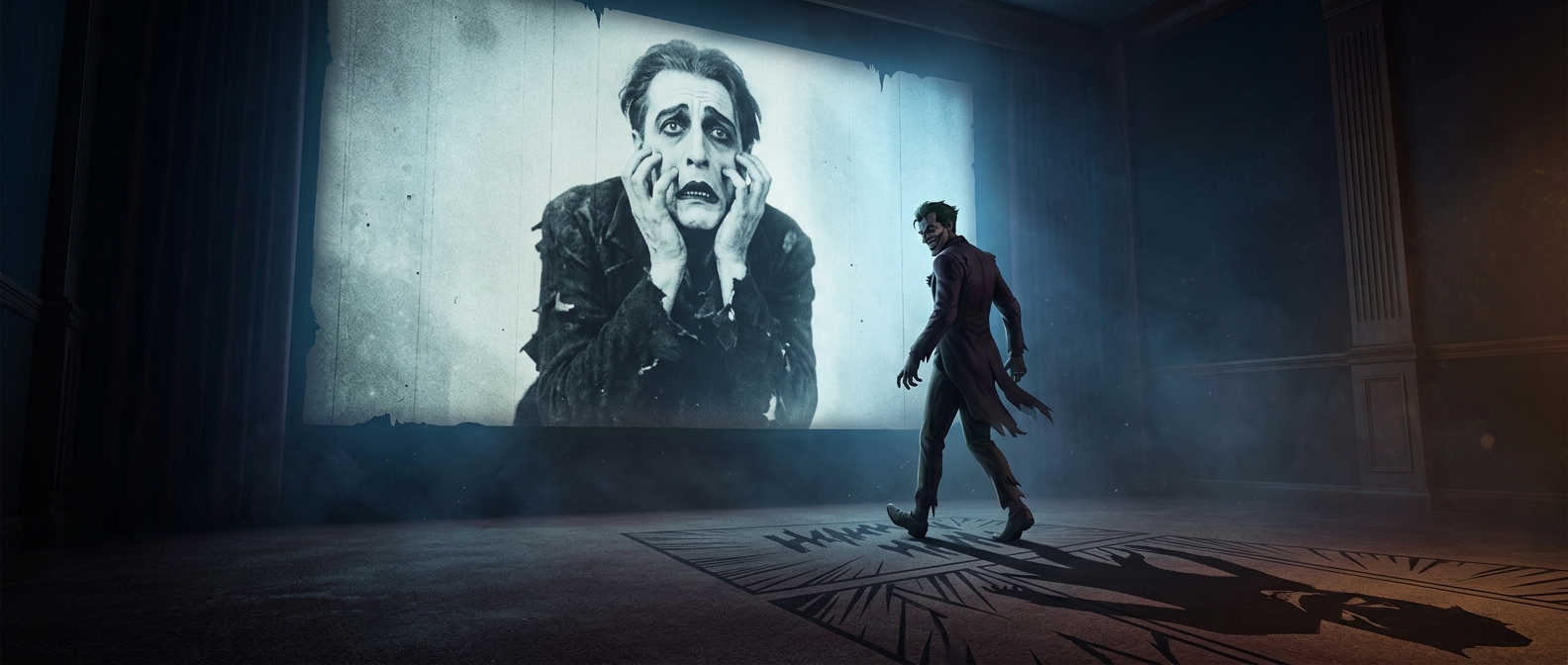
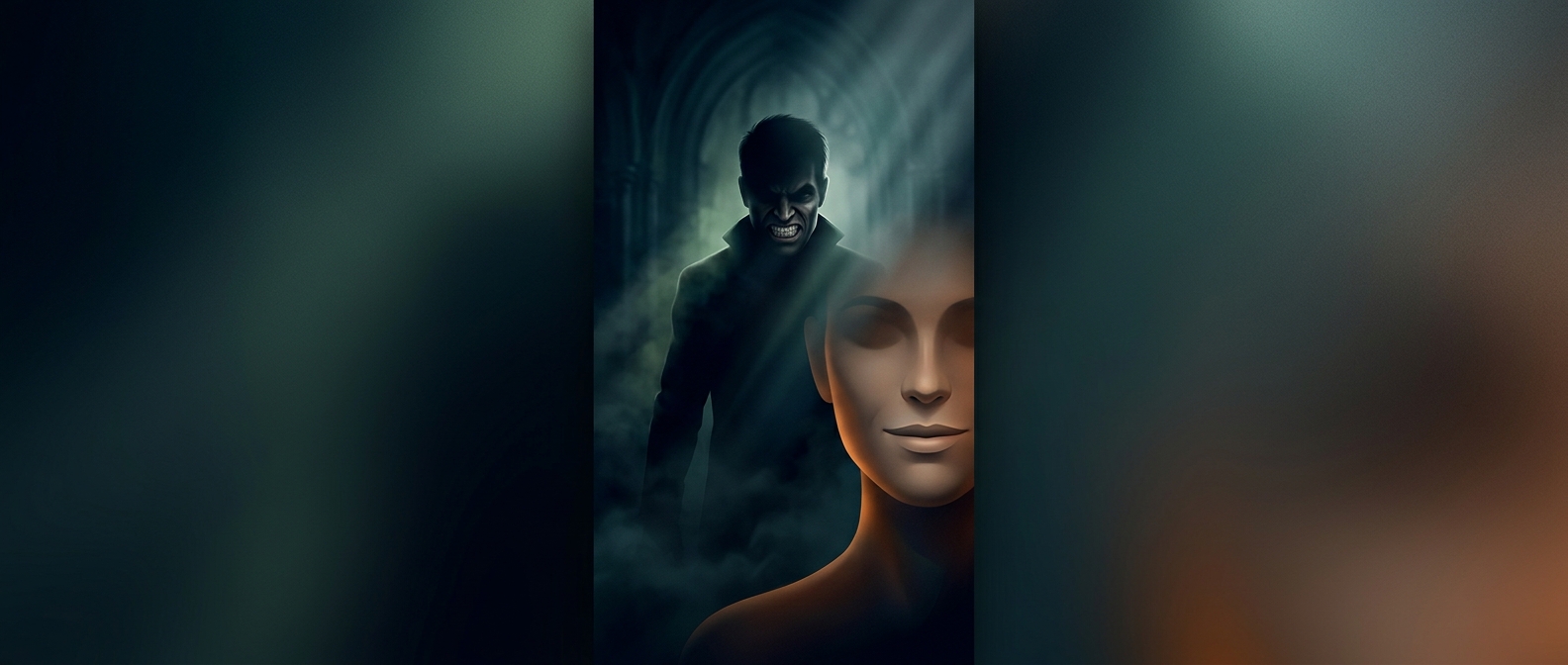
A smile usually signals welcome because people read it together with the eyes, posture, and situation. A villain’s grin disrupts that pattern: the mouth stretches too far, stays fixed too long, or reveals more teeth than a relaxed smile would. The expression still resembles happiness, but its scale and timing feel wrong. That mismatch makes the viewer wonder what the character is enjoying—and whether someone else is about to suffer for it.
Teeth Make the Expression Feel Exposed
Teeth are a visible, hard-edged detail in an otherwise soft expression. Showing them can suggest aggression as well as delight, so a wide grin lets a character appear pleased and threatening at once. Artists can sharpen the effect with a tight jaw, a still head, or eyes that do not seem to share the mouth’s amusement. The result is not a clear signal of emotion but a face the audience cannot comfortably trust.
A Useful Shortcut for Storytelling
Film and animation often need to establish a character’s mood in a glance. An exaggerated grin gives viewers an instantly legible warning without requiring dialogue: this character may be enjoying control, cruelty, or the fear of others. Because the gesture imitates a friendly expression, it also creates unease by turning something familiar into something uncertain. The grin’s menace comes from that double reading—not from teeth alone.