How Open-World Secrets Hide in Plain Sight
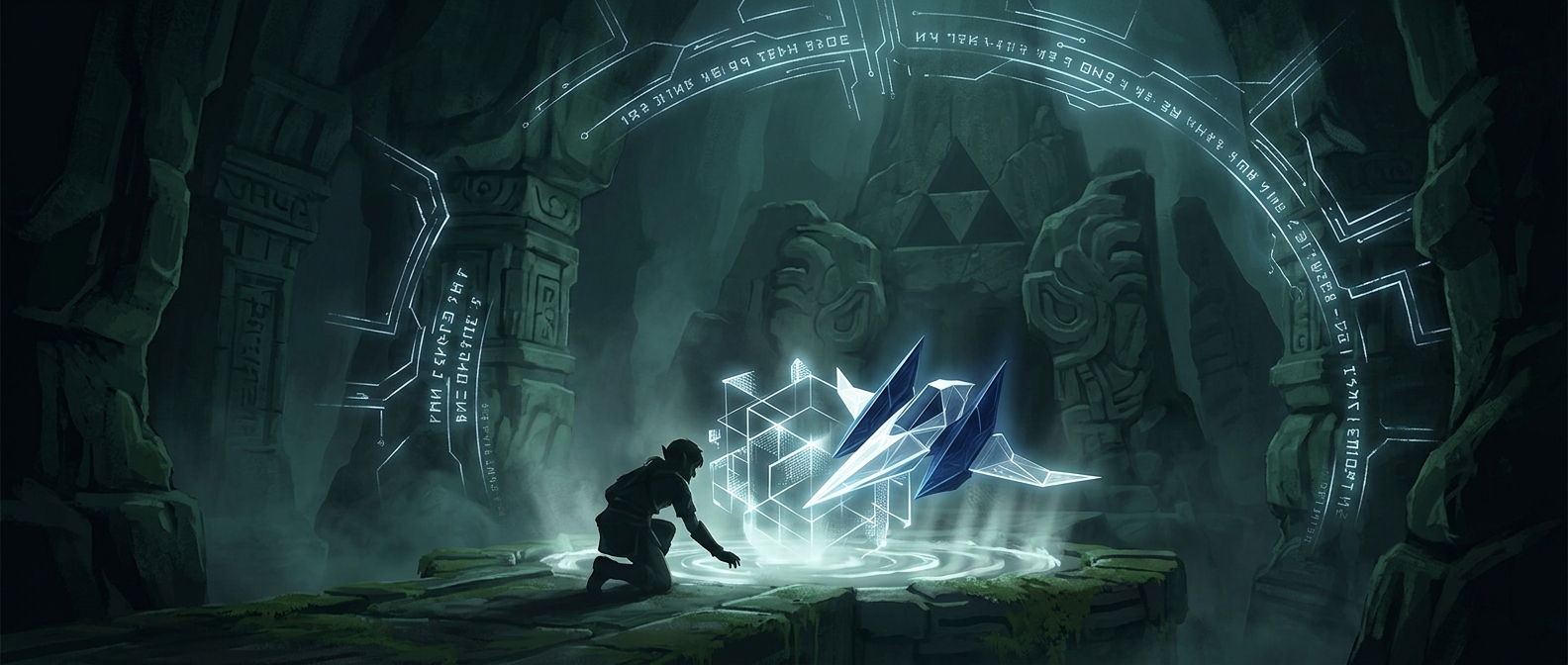
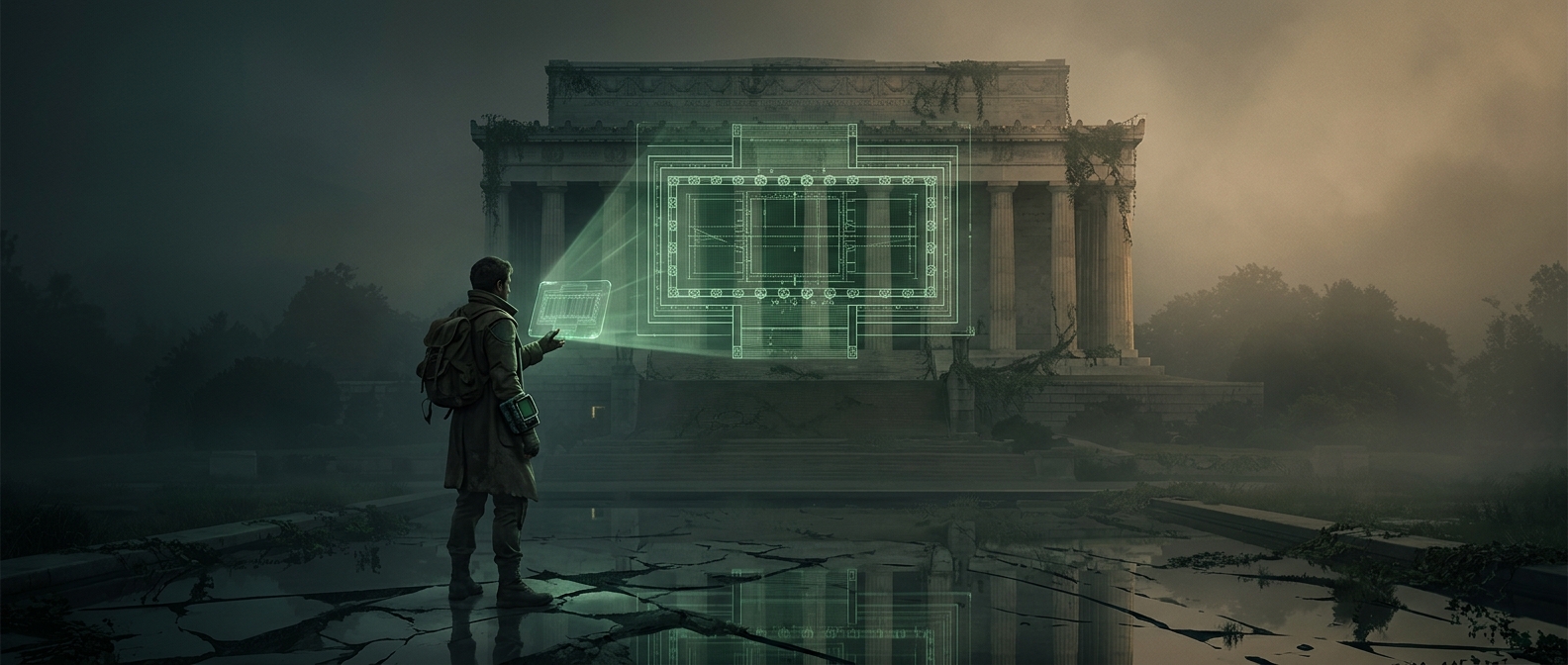
A hidden event works best when it feels like part of the world before it feels like a puzzle. Designers can place a clue in graffiti, a strange landmark, or an unusual sound, then connect it to a condition such as visiting at a certain in-game hour. The player’s task is not simply to find an object; it is to notice that the world has a pattern and test what might change it.
A Small Clue Can Require a Big Design Chain
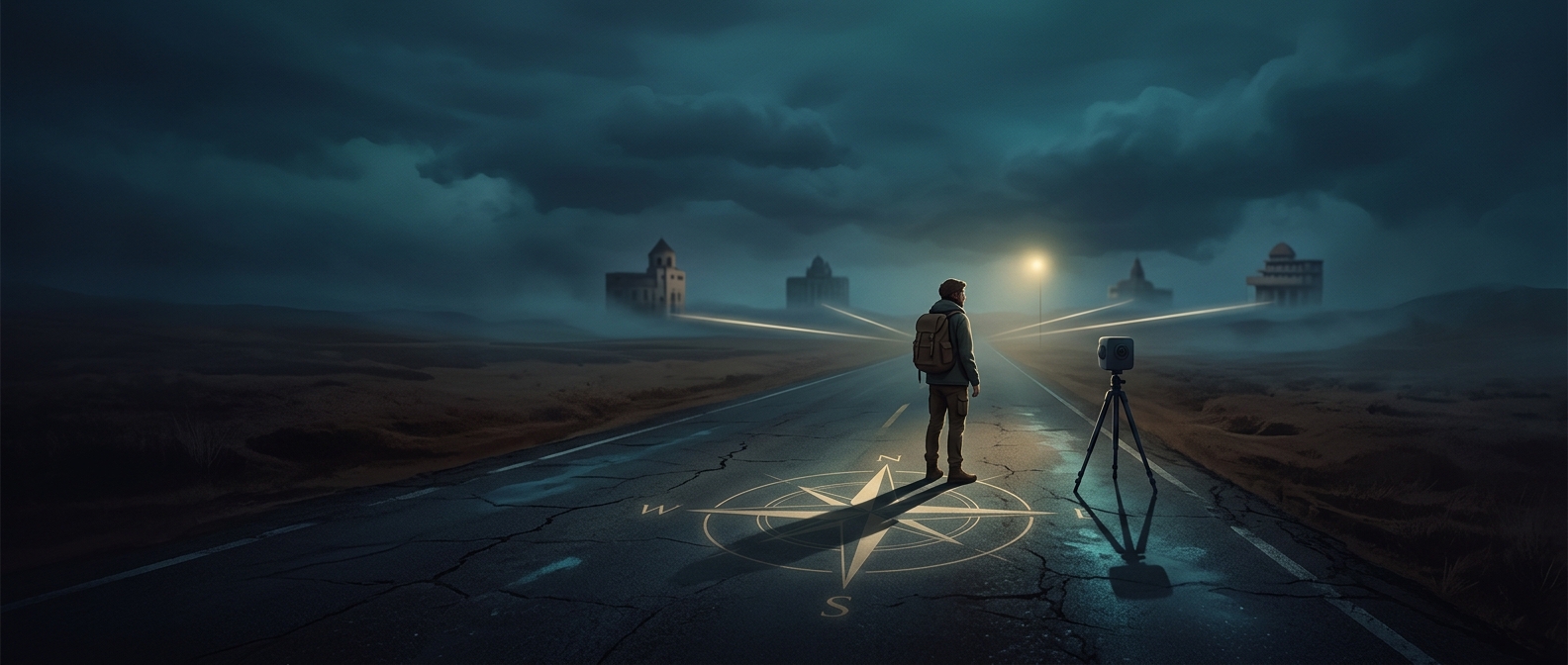
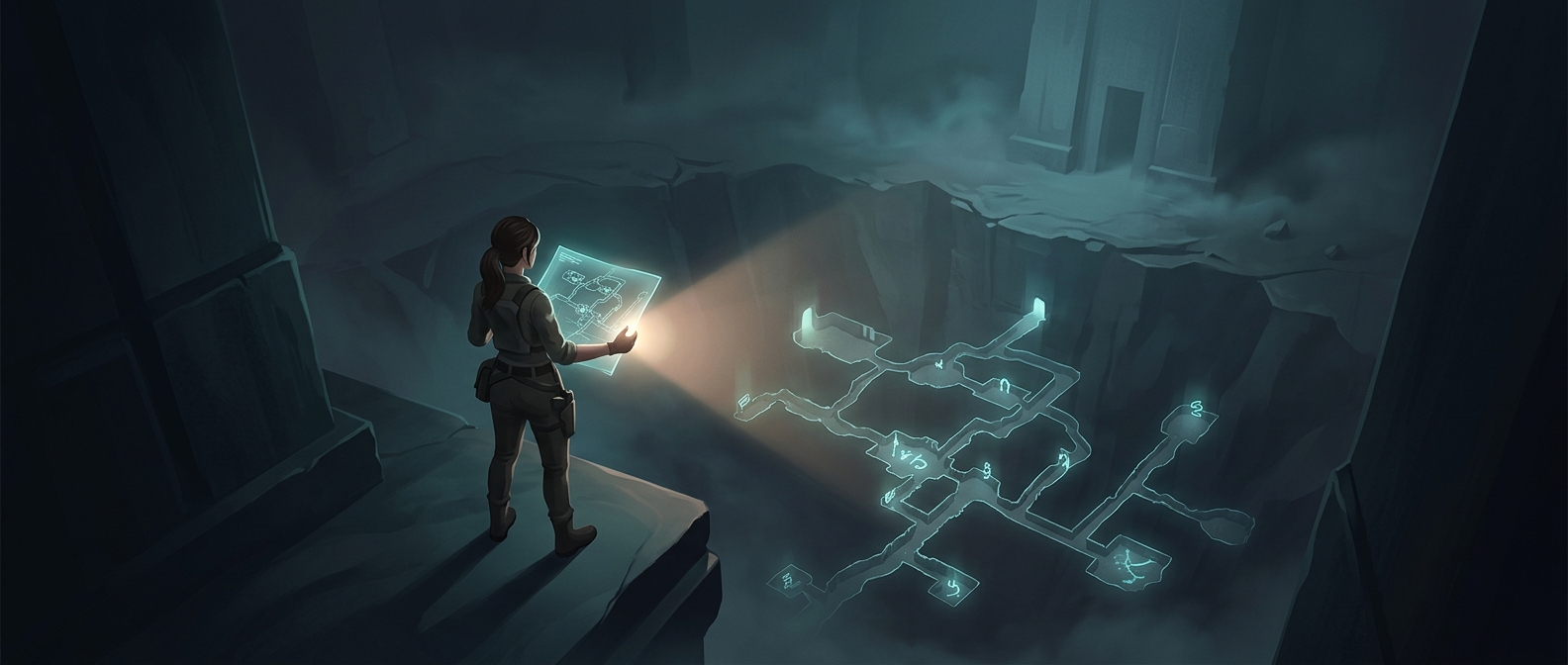
For a secret to feel discoverable rather than arbitrary, its pieces need to agree. A mark on a wall might point toward a location; that location might respond only under the right conditions; and the resulting event needs to be recognizable as an answer. Designers must also account for players arriving too early, missing a clue, or approaching from an unexpected direction. The mystery can be obscure, but the game still has to make its logic legible once players start connecting the dots.
That work often crosses disciplines. Writers shape the clue, artists make it fit the environment, and programmers build the trigger and its response. Because an optional secret should not block the main story, it can remain tucked away without interrupting the ordinary route through the game.
Discovery Becomes Part of the Game
Once players compare observations, a secret can outlive the moment of discovery. One person notices a symbol; another tests a location at a different time; others share theories and try to reproduce the result. The developers have built the event, but players supply much of the investigation.
That is why a tiny detail can keep drawing attention long after release: it turns the map from scenery into evidence, and exploration into a question players can solve together.