The release is part of the throw
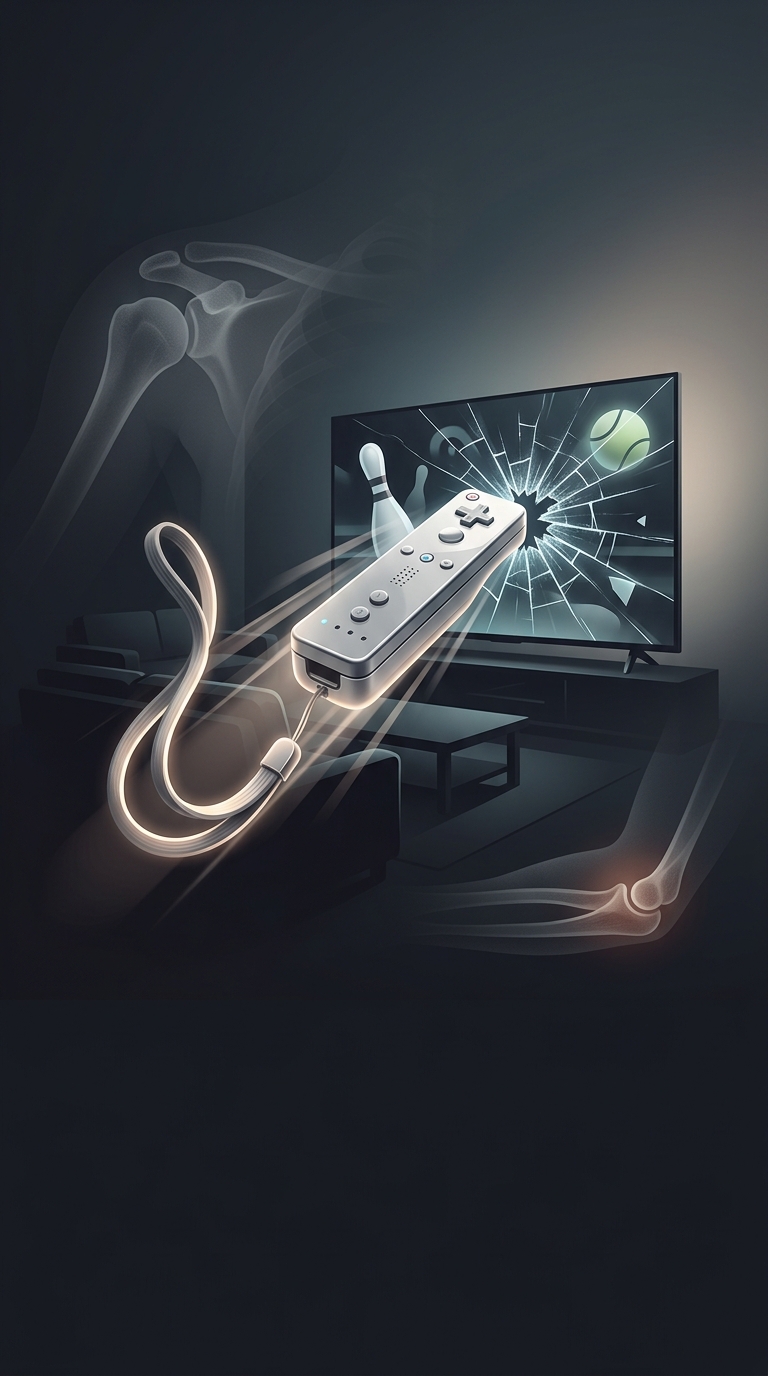
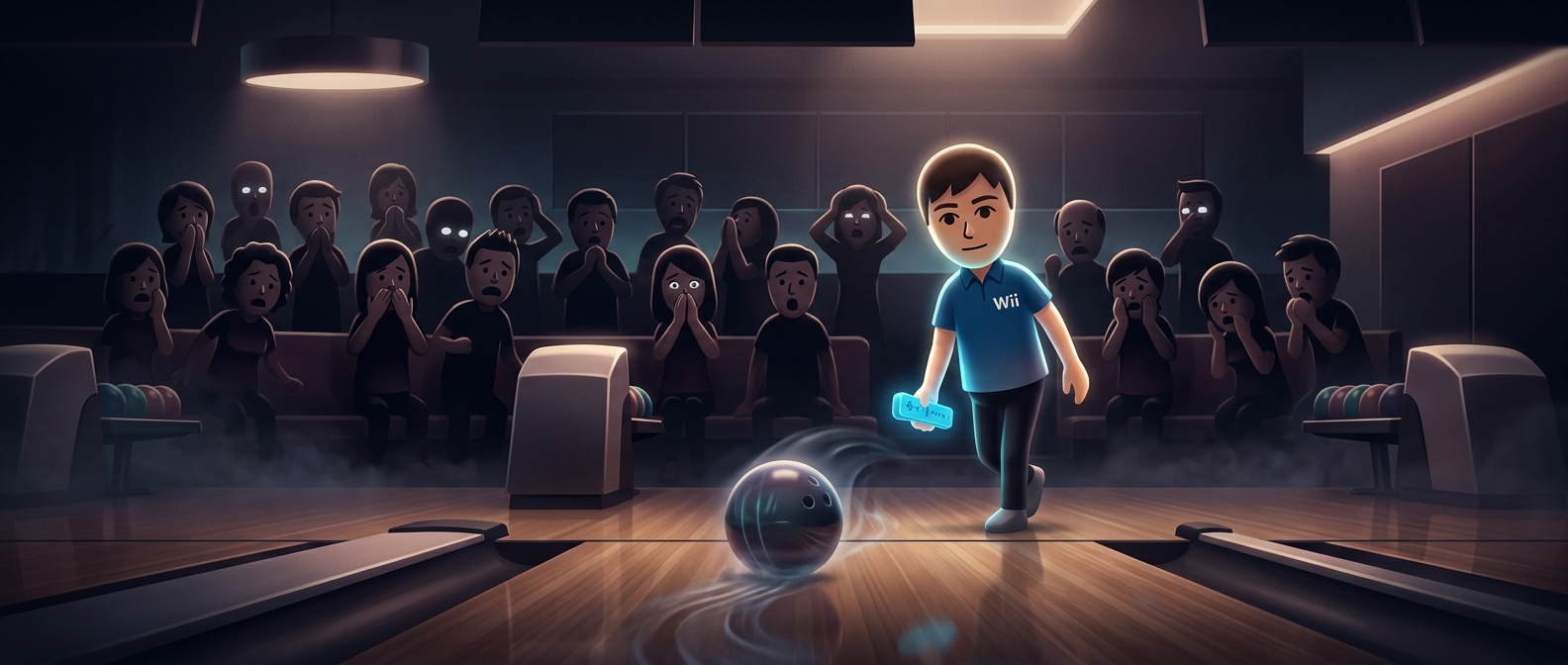
Wii Bowling treats the Wii Remote’s movement as an actual bowling motion, not just a command to start an animation. The player holds B while swinging, then releases it to let the game register the throw. That makes the instant of release crucial: the remote’s direction of travel helps determine which way the ball goes.
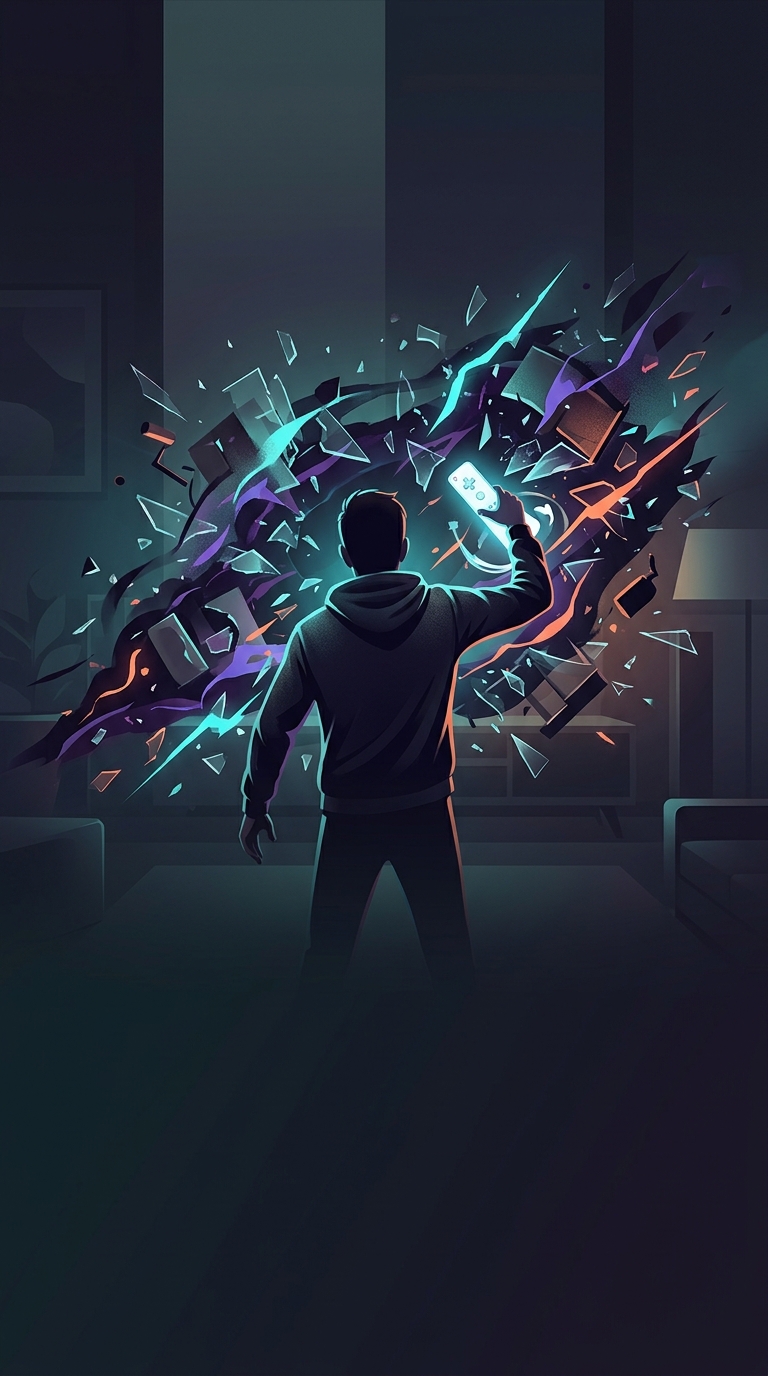
On a normal forward swing, releasing B sends the ball down the lane. Release too early, while the remote is still moving backward, and the game can interpret that backward motion as the throw itself. The mistake is funny because the control system follows the gesture’s direction rather than quietly correcting it into the expected one.
A mistake becomes a scene
The crowd behind the bowler gives the error somewhere to land. Instead of merely showing a weak roll or a missed pin, the game turns mistimed movement into a ball heading toward the spectators, who react with alarm. Their exaggerated response makes the cause and effect legible: the player did not just aim badly; the swing went the wrong way.
That is a distinctive tradeoff of motion controls. They can make a familiar action feel physical, but they also let a badly timed gesture produce an outcome that a conventional button press would never allow. In Wii Bowling, the backswing is not harmless preparation once the game is listening for the release—it can become the throw.