Why a Pool Changes the Heat Equation
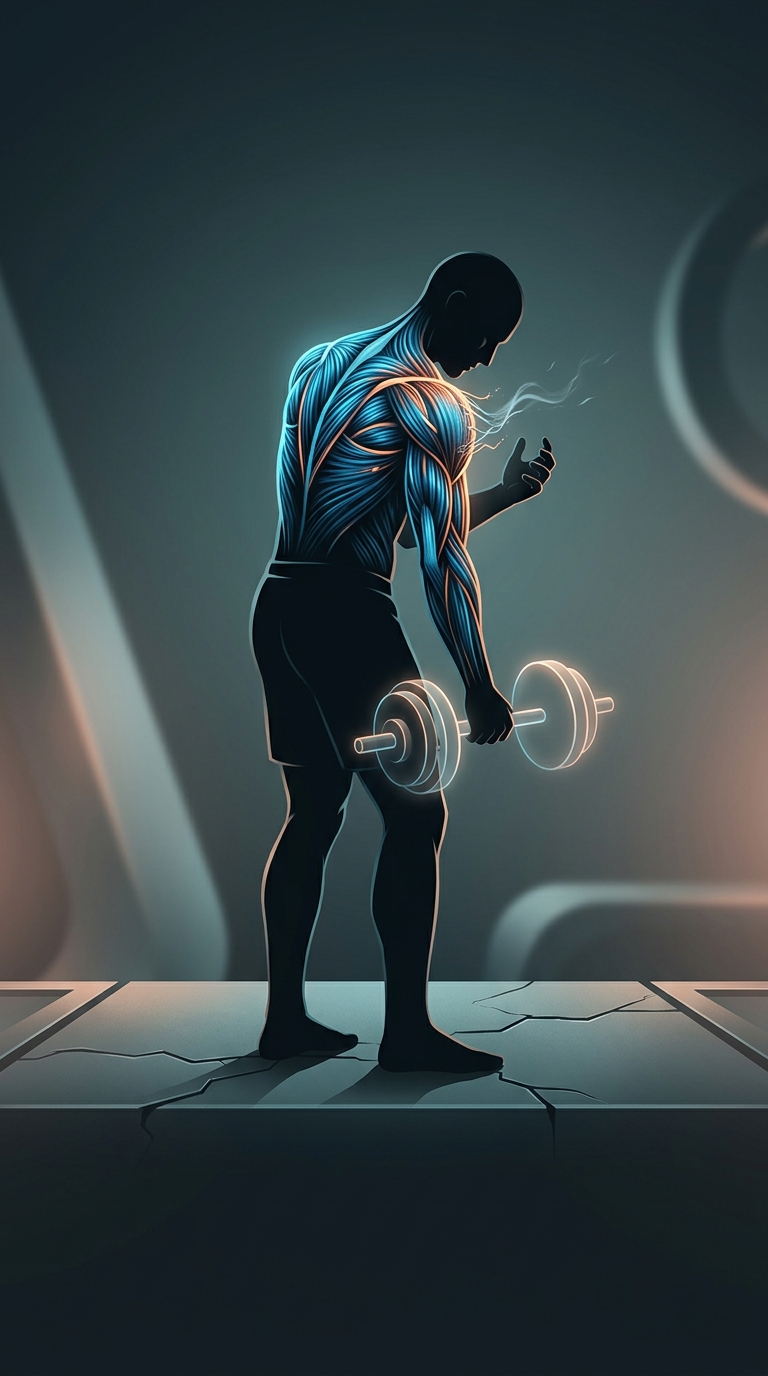
During exercise, working muscles produce heat. On land, the body mainly sheds it by sending more blood toward the skin and letting sweat evaporate. In a pool, water touching the skin can draw heat away directly, especially when the water is cooler than the body. Moving water continually replaces the warmed layer next to the skin, helping heat transfer continue.
That can make a workout feel more manageable, but it does not stop the body from heating up. Warm pool water removes heat less effectively, and hard or prolonged exercise still raises core temperature. A person may also sweat in the water without noticing, so hydration still matters.
Support Without Removing the Work
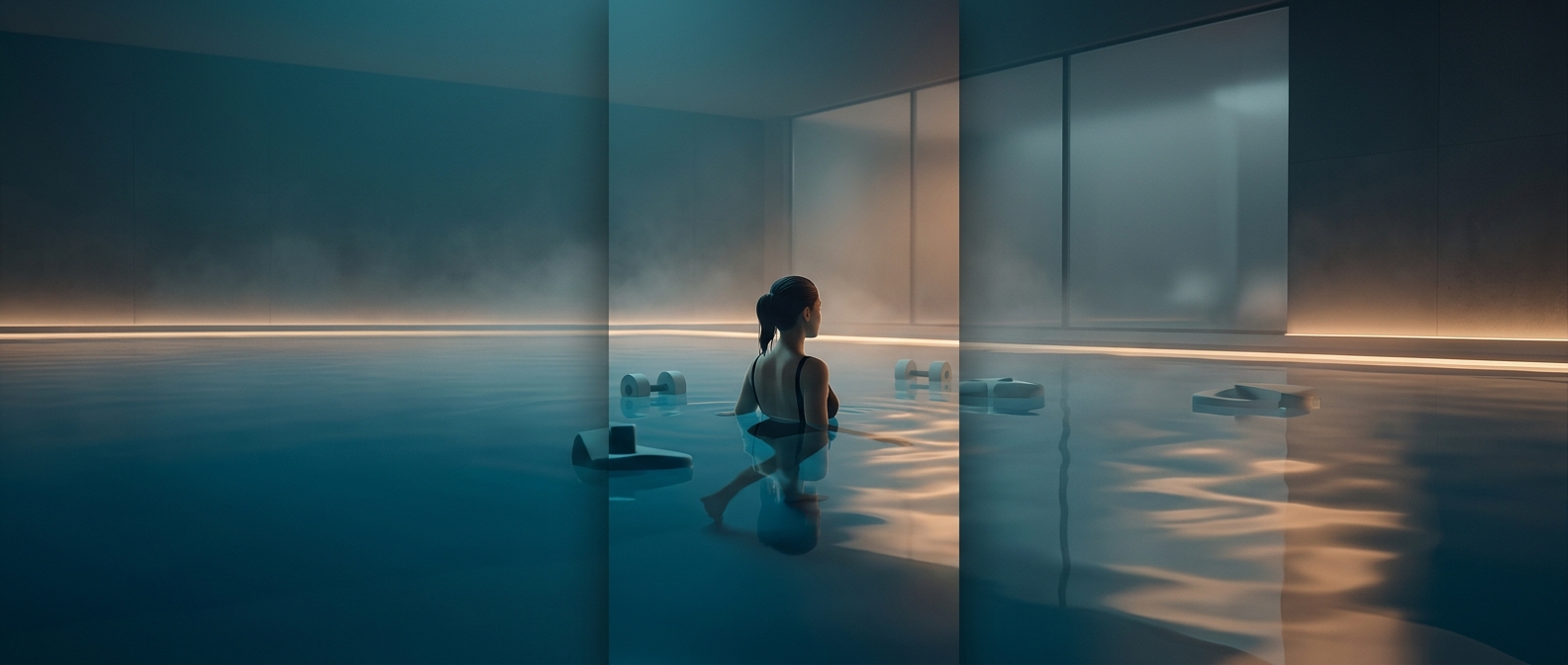
Buoyancy—the upward force water exerts on an immersed body—reduces how much body weight the legs and joints must support. A person can walk, jog, or lift their knees against the water’s resistance with less pounding than similar movements on a hard surface. The water still pushes back, so muscles have to work; changing speed or moving the arms can make the exercise more demanding.
The combination is useful for people who want movement with less impact, while the cooler environment can make sustained activity more comfortable. It is not a guarantee against overheating: water temperature, effort, and duration still matter. In practical terms, the pool changes both sides of the workout—supporting the body from below while carrying heat away at the skin.