Why a Baby’s Head Looks So Large
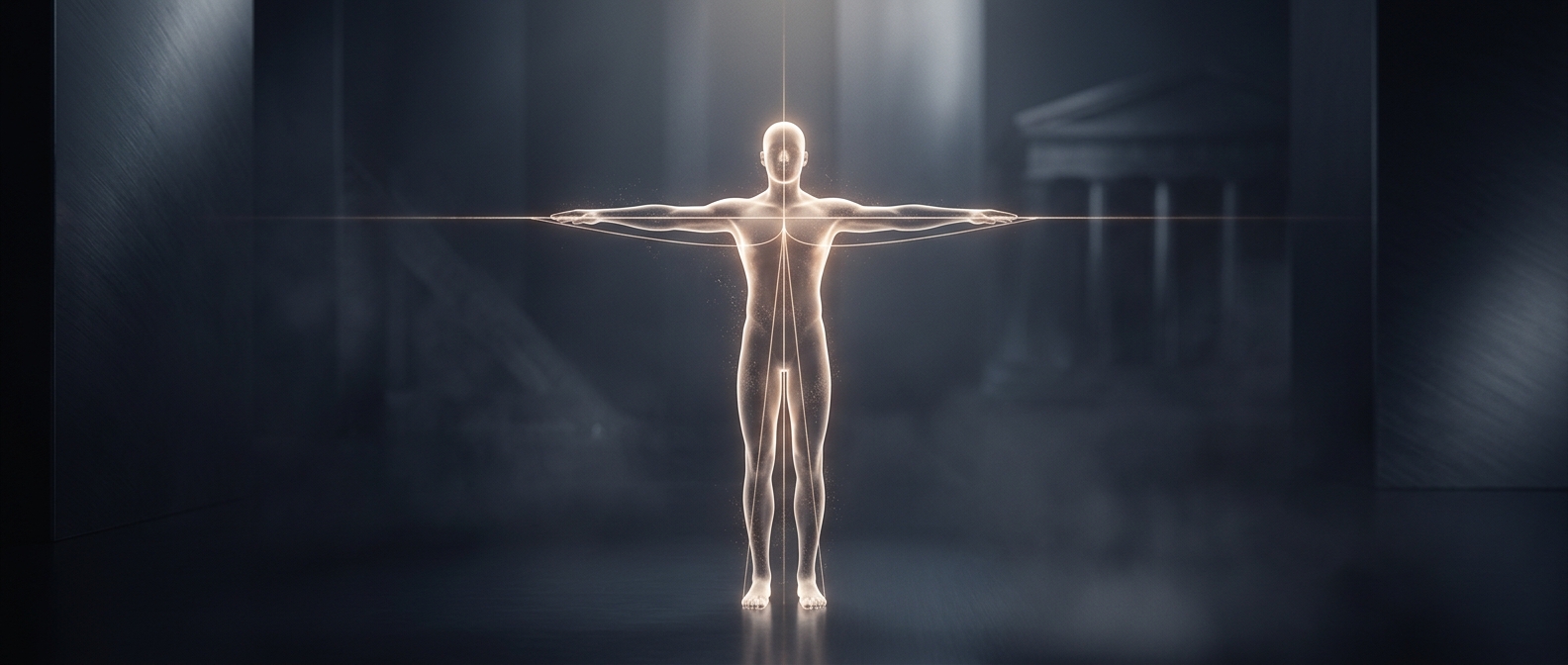
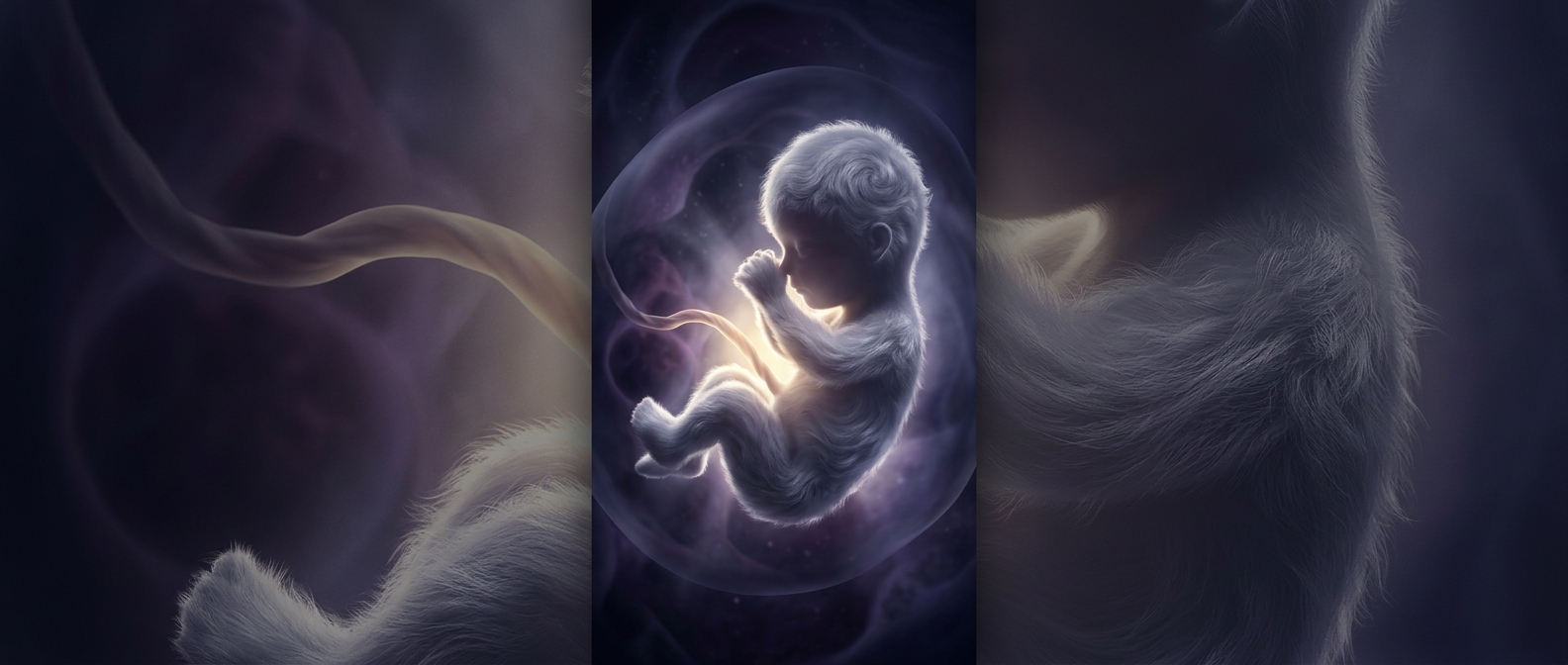
A newborn’s head is not simply an adult head scaled down. Before birth, the brain develops rapidly, and the skull grows to make room for it. Meanwhile, the torso and limbs still have much of their growth ahead. The result is a temporary mismatch: the head takes up a much larger share of a baby’s total length than an adult’s does.
A Head That Needs Support
That proportion also creates a practical challenge. A young infant’s neck muscles are still developing, and the nervous system is still learning to coordinate them. So a baby cannot reliably hold the head steady or turn it with the control an older child has. When the head shifts, its weight can pull it farther than the infant can correct on their own.
This is why caregivers support a newborn’s head and neck when lifting or carrying them. The need is not evidence that the head is unusually heavy in isolation; it reflects the combination of a relatively large head and muscles that have not yet gained strength and control.
Growing Into Proportion
As children grow, the body lengthens and the neck and trunk strengthen, while the head continues to grow at a different pace. The head therefore becomes a smaller fraction of the whole body, even though it is still growing. An adult with infant-like proportions would need much stronger neck muscles to manage the same imbalance—one reason baby proportions look so striking, and why they come with real support needs.