Why Manhattan’s short trips can favor walking
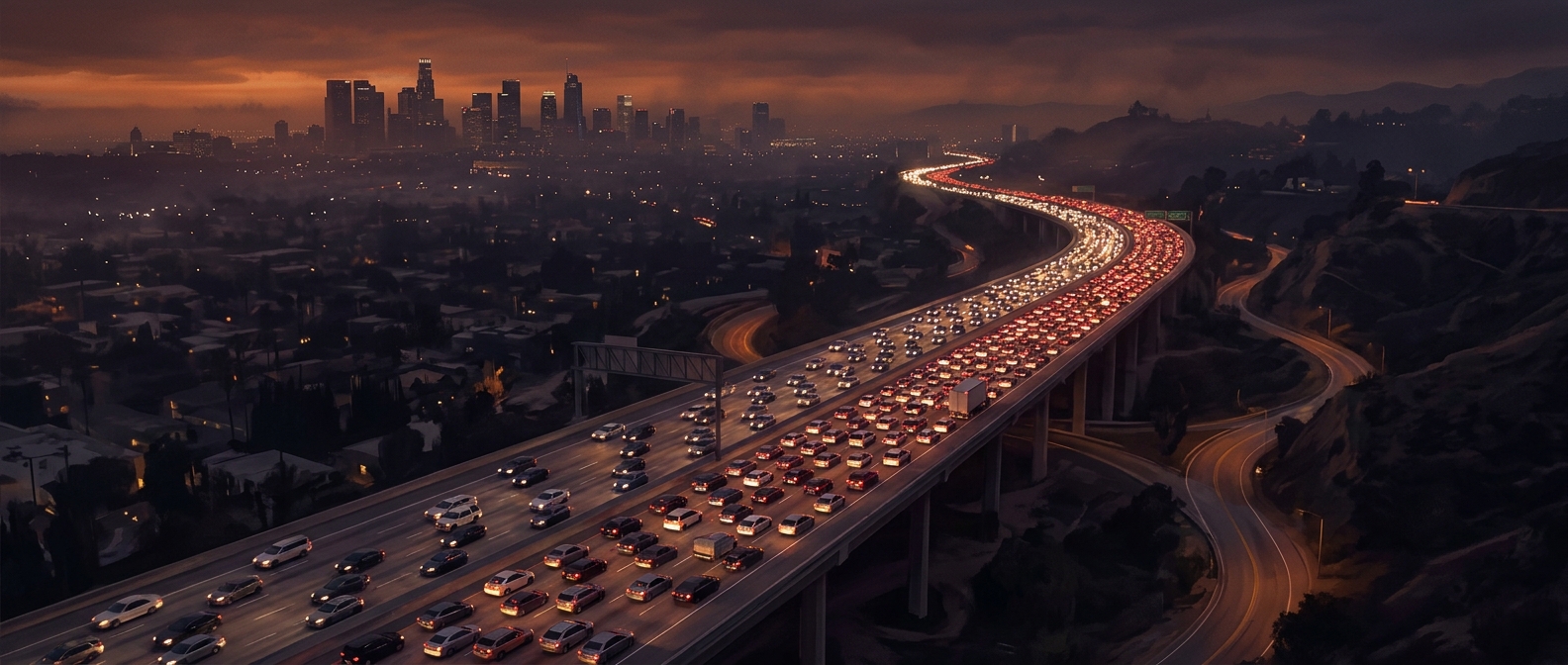
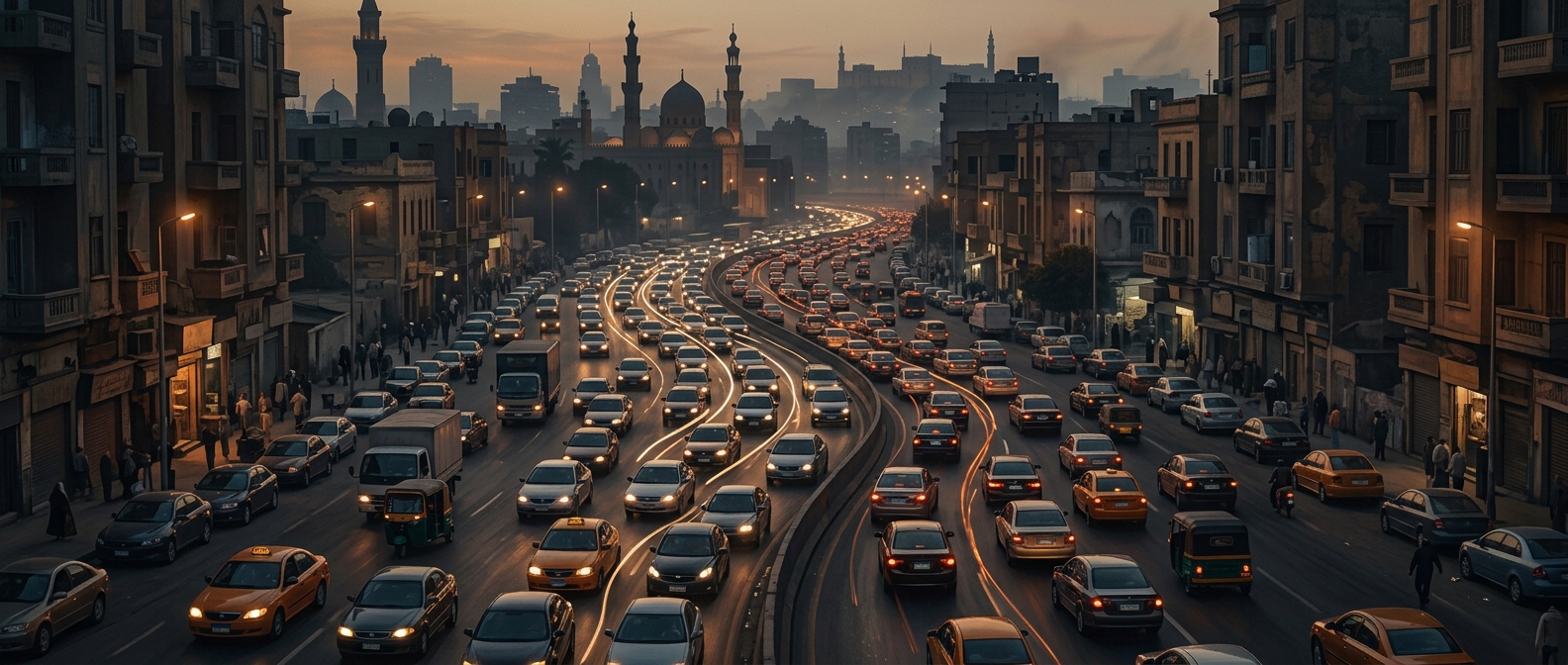
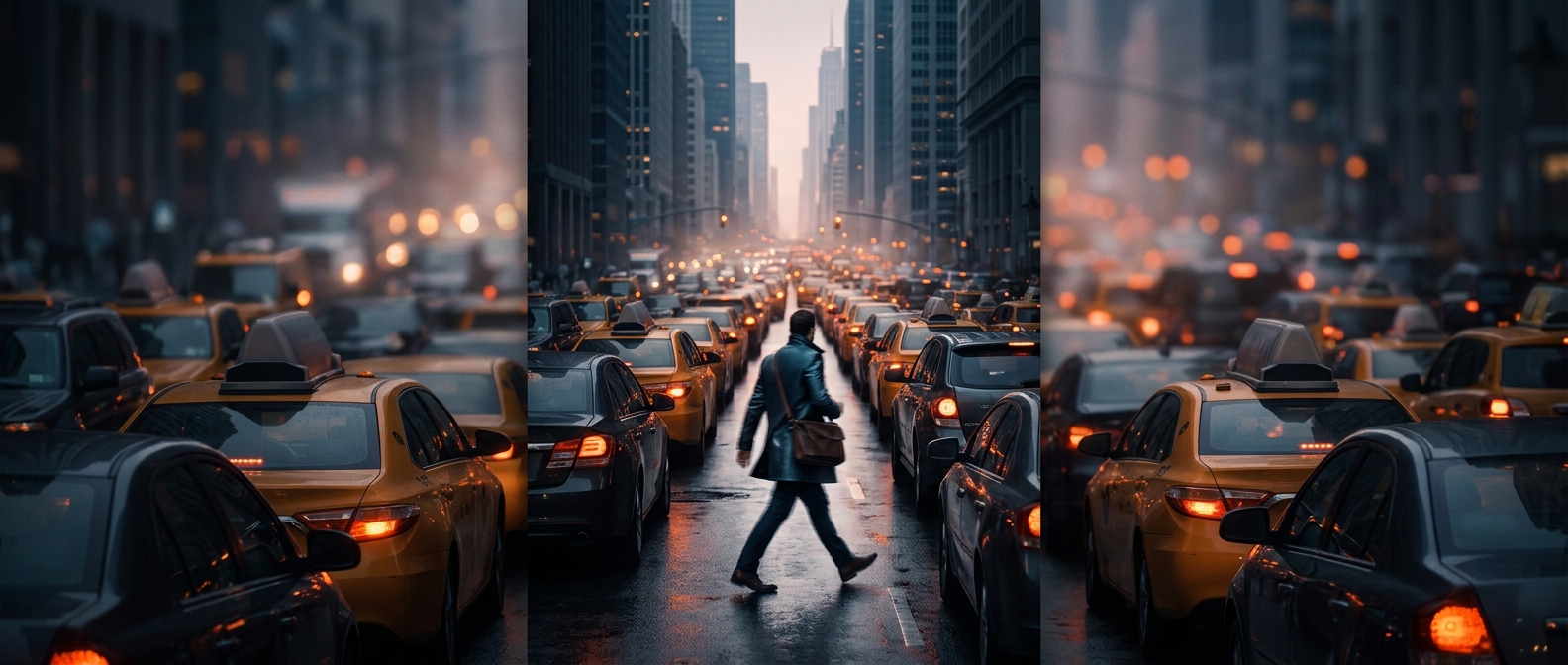
On a crowded Manhattan avenue, a car’s speed is set less by its engine than by everything that interrupts it: red lights, turning vehicles, delivery trucks, taxis stopping at the curb, and queues that spill into the next block. Even when traffic is moving, a driver may cover only a little ground before having to brake again.
A pedestrian faces a different pattern. Walking pace is relatively steady, and a person can continue along the sidewalk while traffic waits at an intersection. Manhattan’s regular street grid also makes many routes easy to follow: turn at a numbered street, keep going, and avoid the delays involved in finding a place to stop or park. For a short cross-town trip, those small interruptions can outweigh the car’s greater speed when the road is clear.
The advantage depends on the trip
Walking is not automatically faster. A long distance, heavy rain, mobility needs, or a route that requires several detours can make a car or transit more practical. And a driver may move quickly outside the busiest periods. The comparison is most striking when the destination is only a few avenues or blocks away and traffic is crawling.
That is why Manhattan can make distance feel unusual: two places may be close enough to reach on foot, while the car between them is still waiting for the next light to change.