A New View Behind the Driver
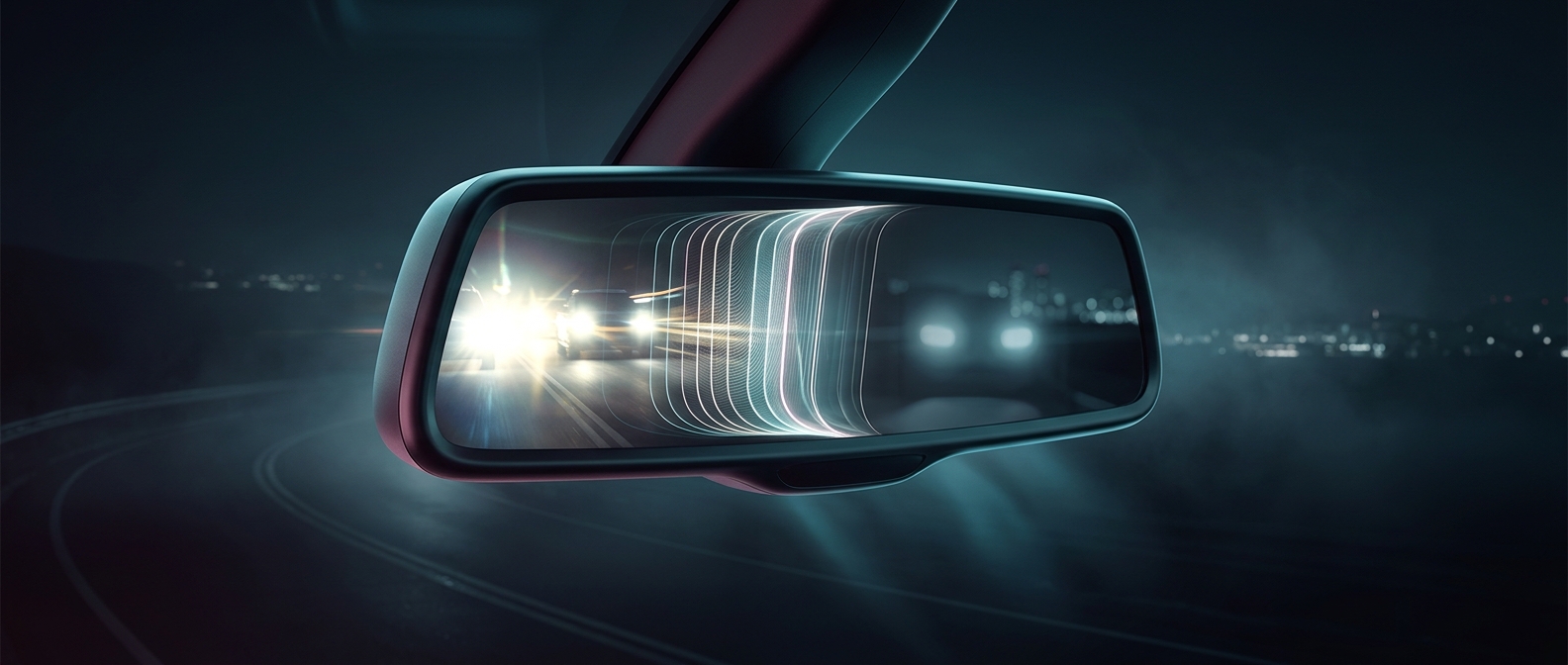
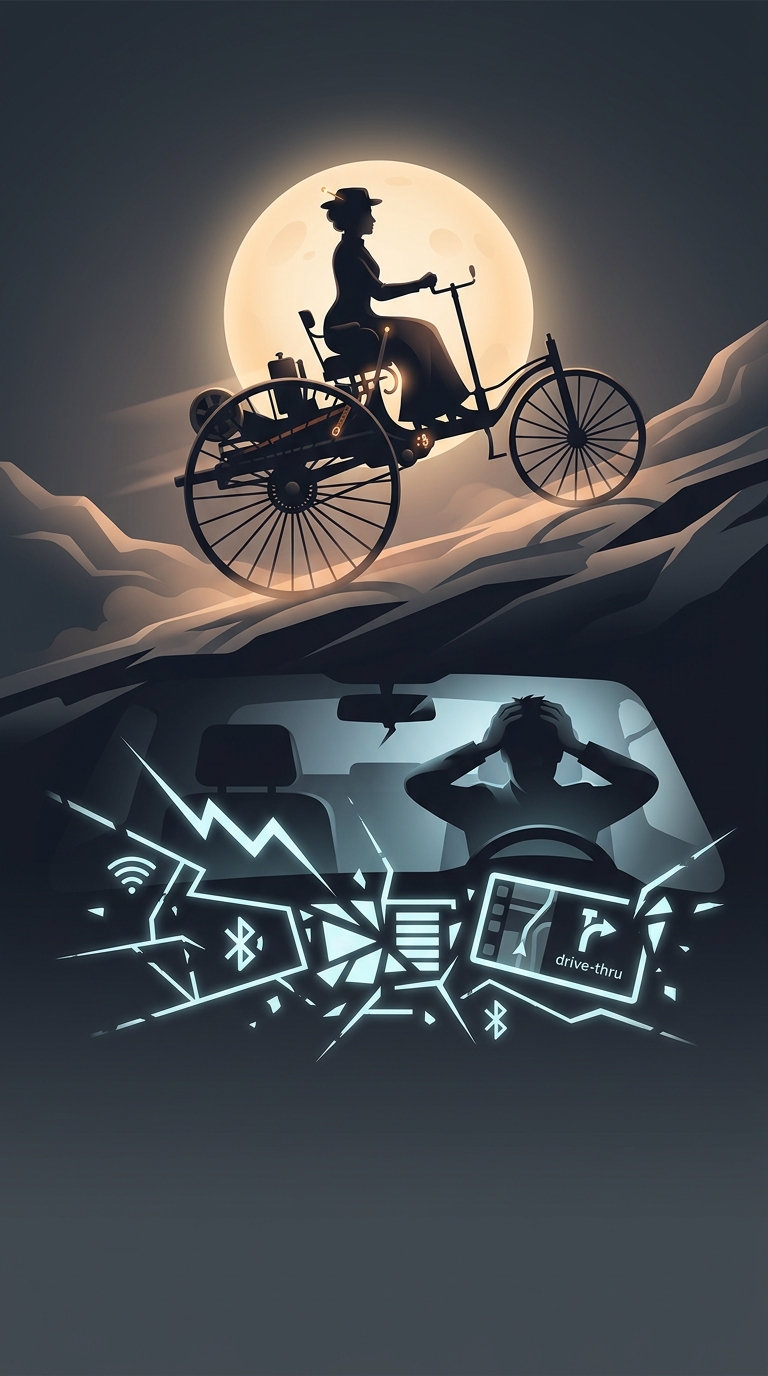
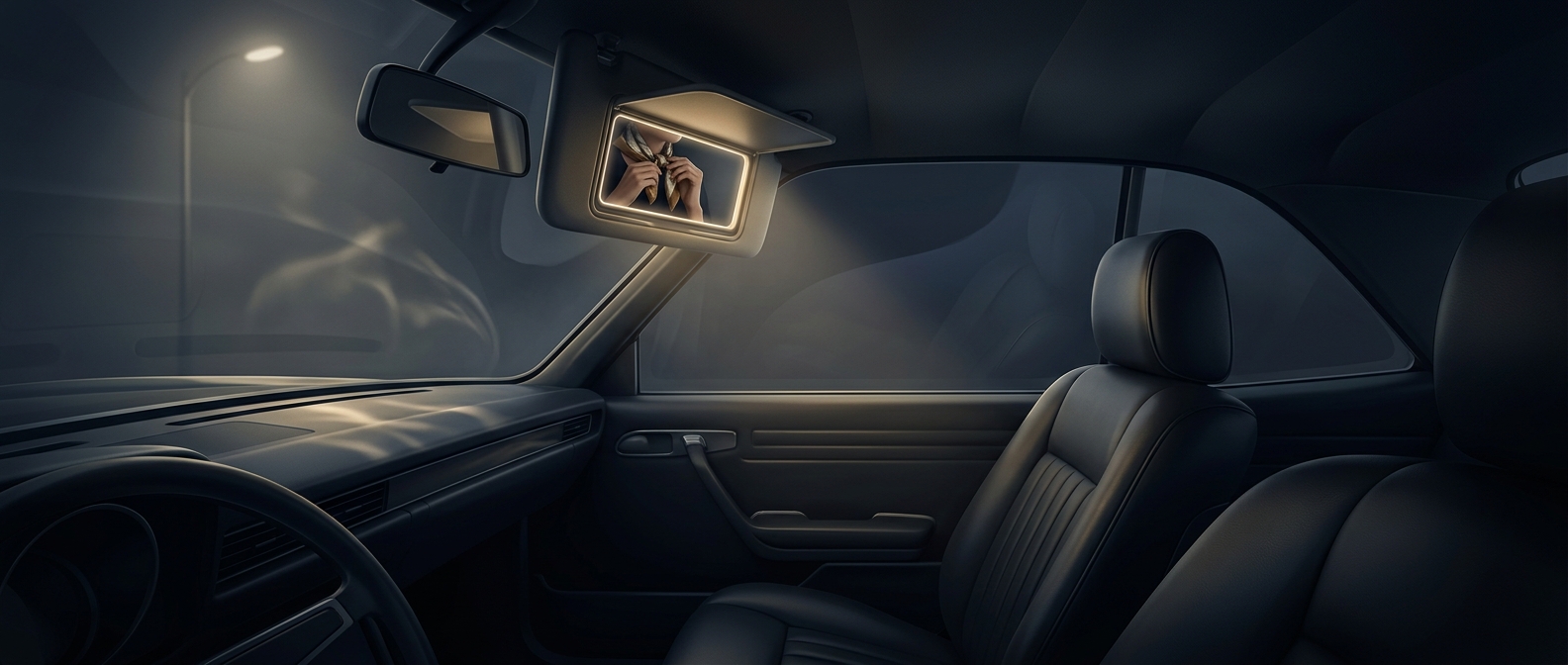
Early cars offered little protection from weather and few built-in aids for managing traffic. A driver who wanted to know what was coming from behind had to turn around, stealing attention from the road ahead. A rearview mirror offered a simple alternative: a reflective surface could redirect the view without requiring the driver to rotate their whole body.
At first, that benefit was not equally important on every drive. On lightly traveled roads, drivers could often rely on sightlines and experience. As more vehicles shared roads—and faster traffic made closing distances harder to judge—checking behind became a practical safety task, not just a convenience. An accessory could gradually become an expected part of the car.
A Small Device With a Limited View
A mirror does not give drivers a complete picture. Its angle and size determine what appears in it, and areas beside or just behind the car can remain hidden. Drivers still need to glance over a shoulder when changing lanes or merging. The mirror’s advantage is that it makes repeated checks behind possible with a quick eye movement rather than a full turn.
That shift changed the driver's routine as much as the car's equipment. Instead of treating the space behind as something to inspect only by turning around, drivers could monitor it while keeping more attention forward. Once that view became part of ordinary driving, a car without a mirror was missing a basic piece of information about the traffic around it.