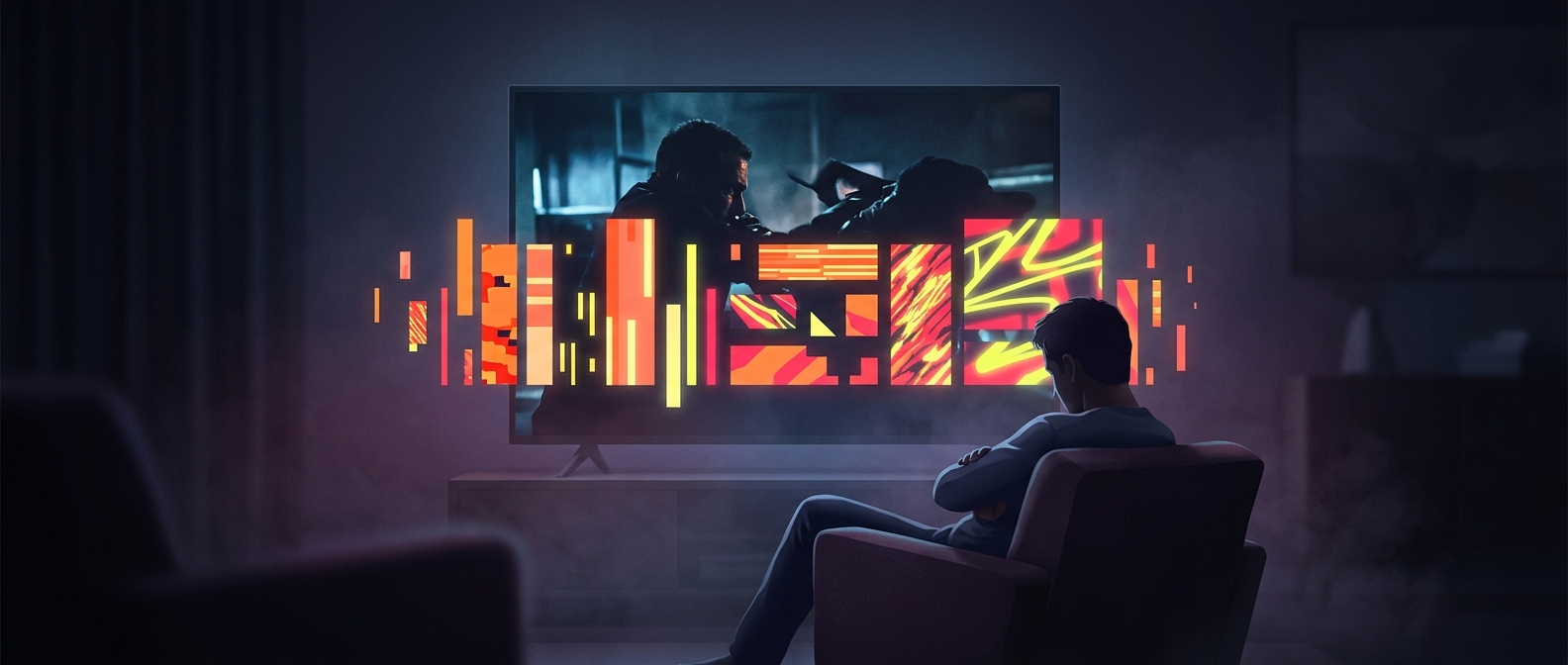
The commercial break is a small storytelling deadline
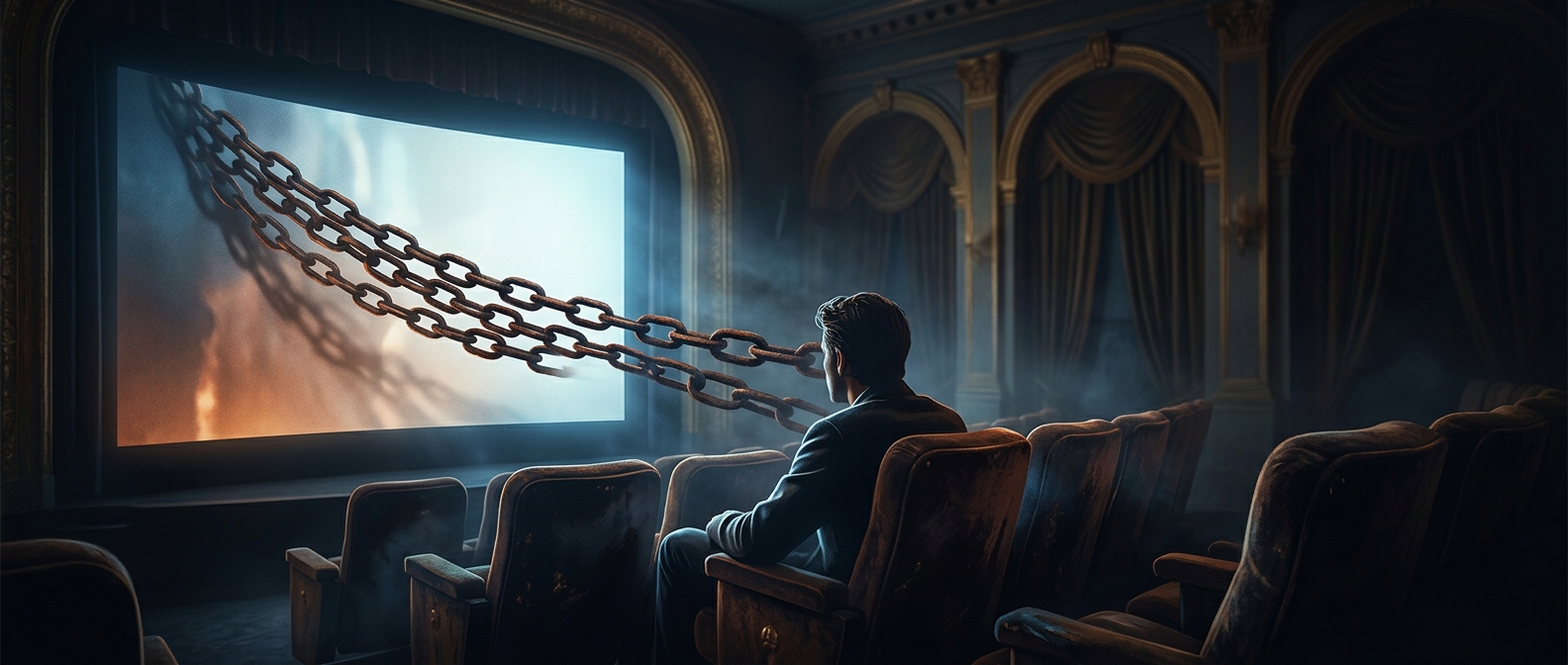
In a broadcast episode, a break is more than empty space between scenes: it is a point where the audience can leave. The show’s timing therefore has to serve two purposes at once. It must make room for advertising, while giving viewers a reason to stay until the program resumes.
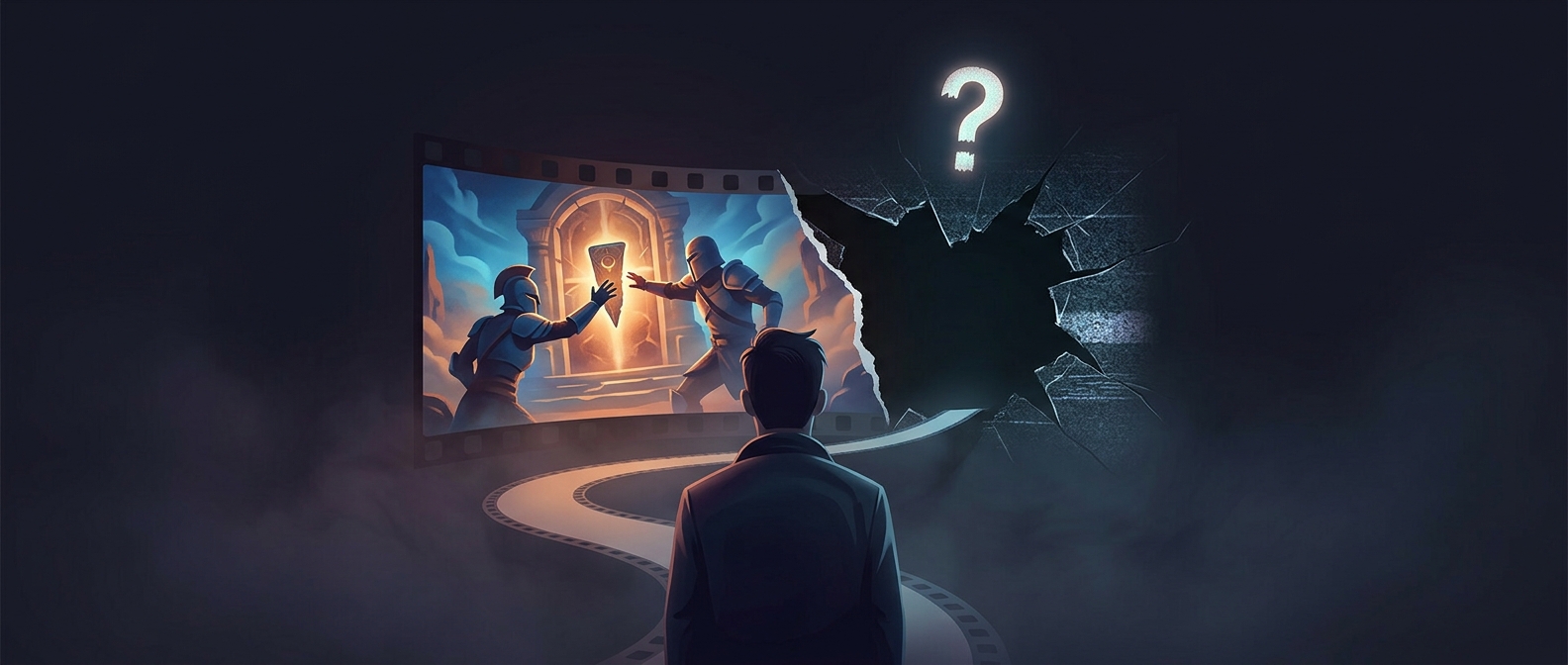
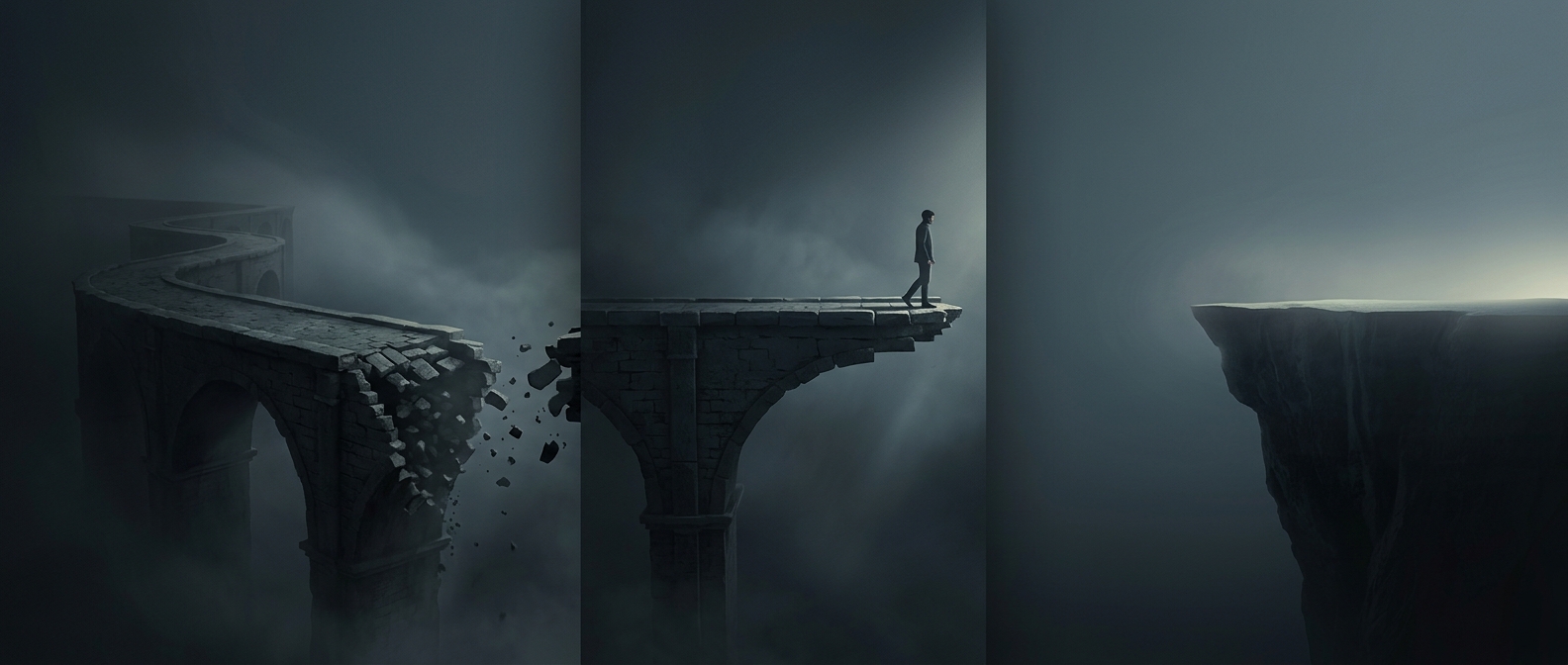
Writers shape scenes around that interruption. A character may discover a clue, face a sudden threat, or ask a question that changes what the audience thinks is happening. Cutting away before the next beat turns the break into a pause in an unfinished exchange. The viewer knows what needs resolving, but not yet how it will resolve.
The return has to pay off the pause
The moment after the ads matters, too. A show that delays the answer for too long can make the interruption feel like a trick; one that resolves the tension immediately gives viewers a clear reward for waiting. The most effective break points leave a question open, then reconnect with it quickly enough that the story still feels continuous.
This structure also shapes pacing. Episodes are divided into segments that each need a turn or reveal near their end, so tension rises and falls in waves rather than building without interruption. The cliffhanger is thus both a dramatic beat and a practical hinge: it helps carry the audience across a break the schedule requires.