When a Sneeze Could Interrupt a Deal
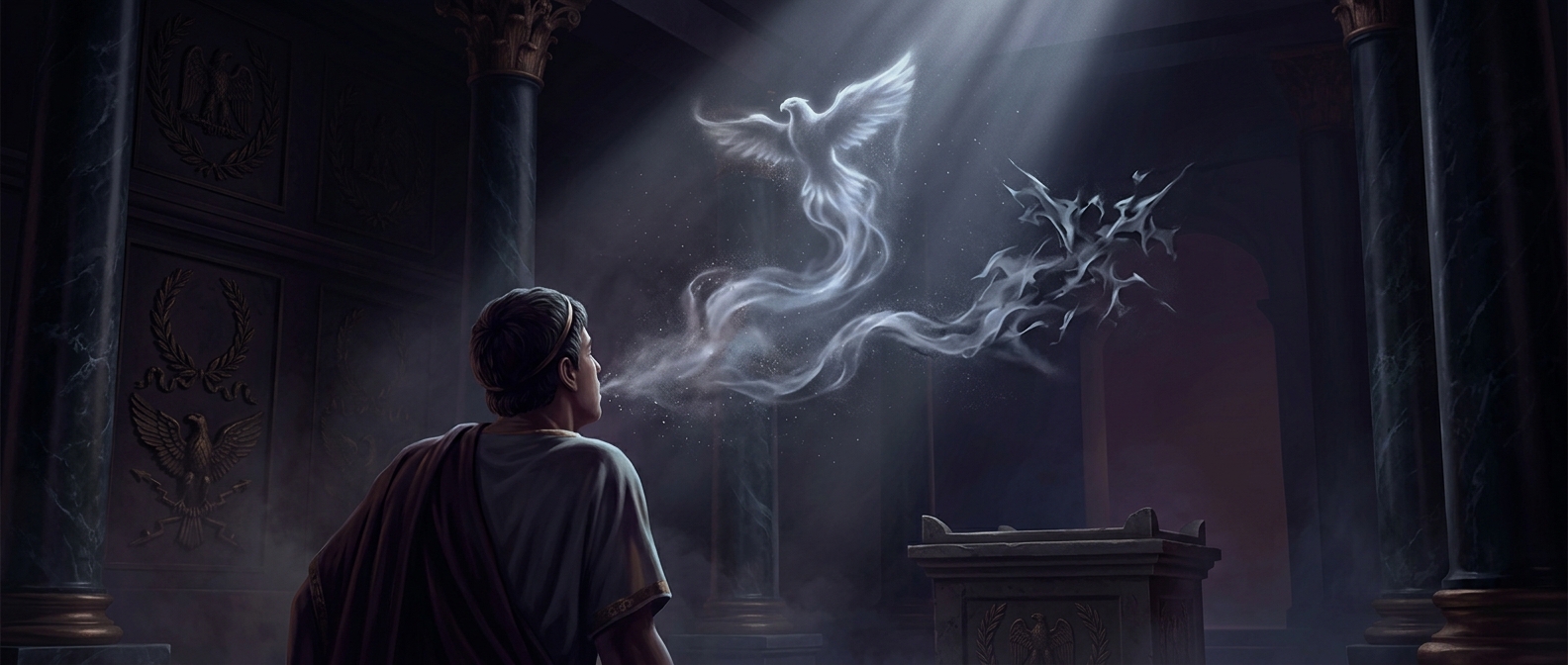
For Romans who read everyday events as signs, a sneeze was more than a bodily reflex: its direction could give it meaning. A sneeze to the right was taken as favorable, while one to the left could signal trouble. The same involuntary sound could therefore reassure someone about a decision—or make the moment feel ominous.
How an Omen Could Change a Decision
Romans practiced divination, the interpretation of signs believed to reveal divine approval or warning. Not every omen was a formal consultation with a priest. A sign that appeared during an ordinary activity could still be noticed and weighed. In that setting, a sneeze during bargaining might be treated as a reason to pause rather than press ahead.
That did not mean every Roman automatically canceled a transaction after a leftward sneeze. Beliefs and responses varied, and an omen’s significance depended on how people interpreted the circumstances. But the possibility helps explain how a tiny, uncontrolled event could affect a serious choice: the sneeze was read not as evidence about the deal’s terms, but as a warning about whether it was wise to proceed.
The Small Sign in a Larger World
To modern ears, linking a sneeze’s direction to luck may sound arbitrary. In Roman religious life, however, the boundary between ordinary events and meaningful signs was more porous. A chance bodily reaction could become part of practical decision-making, turning a negotiation into a moment of watchful hesitation.