A thousand connections create a stream to manage
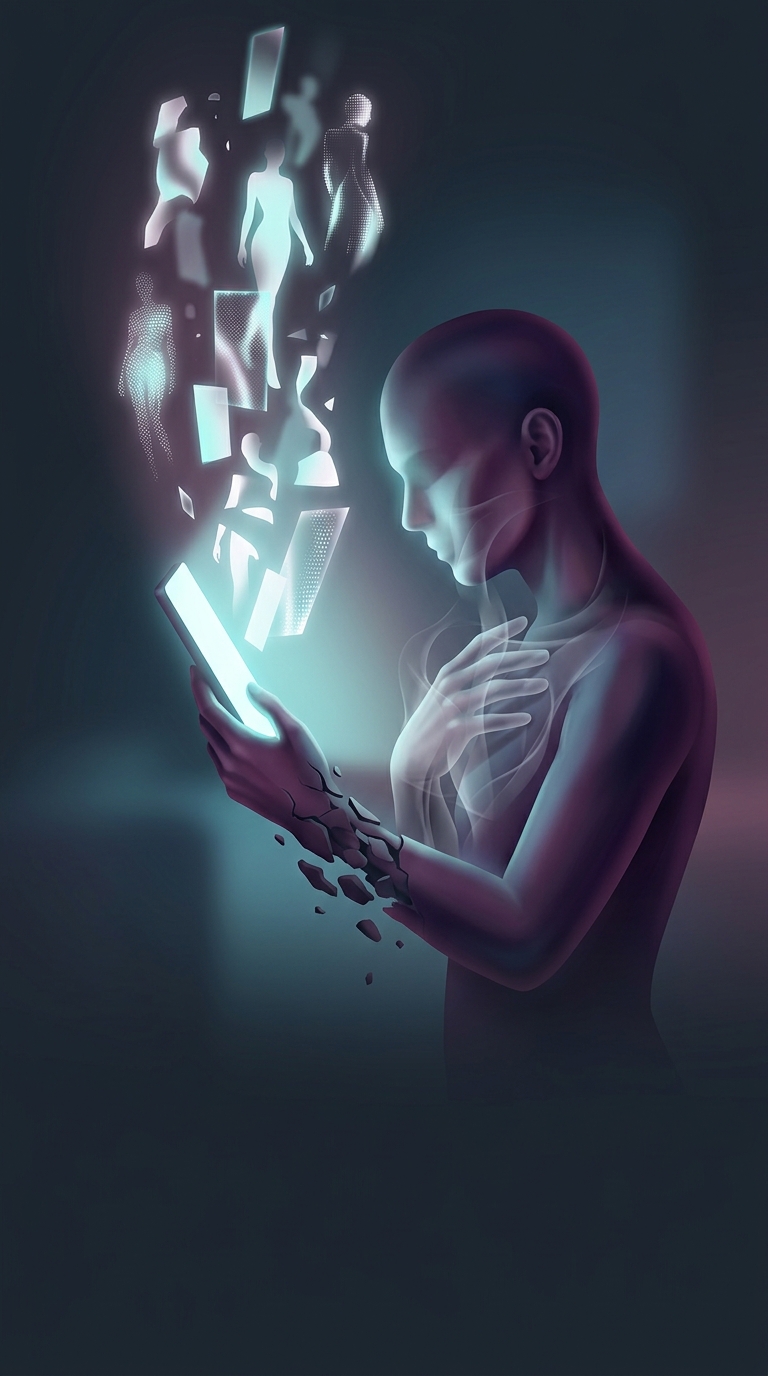
A large friend list is not simply a larger circle of close relationships. It can turn a social feed into a steady flow of updates, reactions, invitations, and requests for attention. Each item asks for a small decision: read it, respond, ignore it, or remember it for later. Those decisions consume attention even when they take only seconds.
The strain comes partly from social monitoring—keeping track of what others are doing and how they might interpret your silence. A person may feel pressure to congratulate acquaintances, answer messages promptly, or stay visible enough not to seem indifferent. The platform makes these demands easy to encounter, but it does not make them easy to fulfill.
Why the fatigue can be hard to see
Online interactions are fragmented. A notification can interrupt work or rest, and switching back to a task takes effort. Meanwhile, an unanswered message or a post that seems to call for a reaction can linger in the mind. The result may feel less like one exhausting event than a persistent background obligation.
A big network can also blur the boundary between audiences. Friends, relatives, colleagues, and casual acquaintances may all see the same post, encouraging people to monitor their wording and presentation. That ongoing self-editing can add to the mental load.
The number is not the whole story
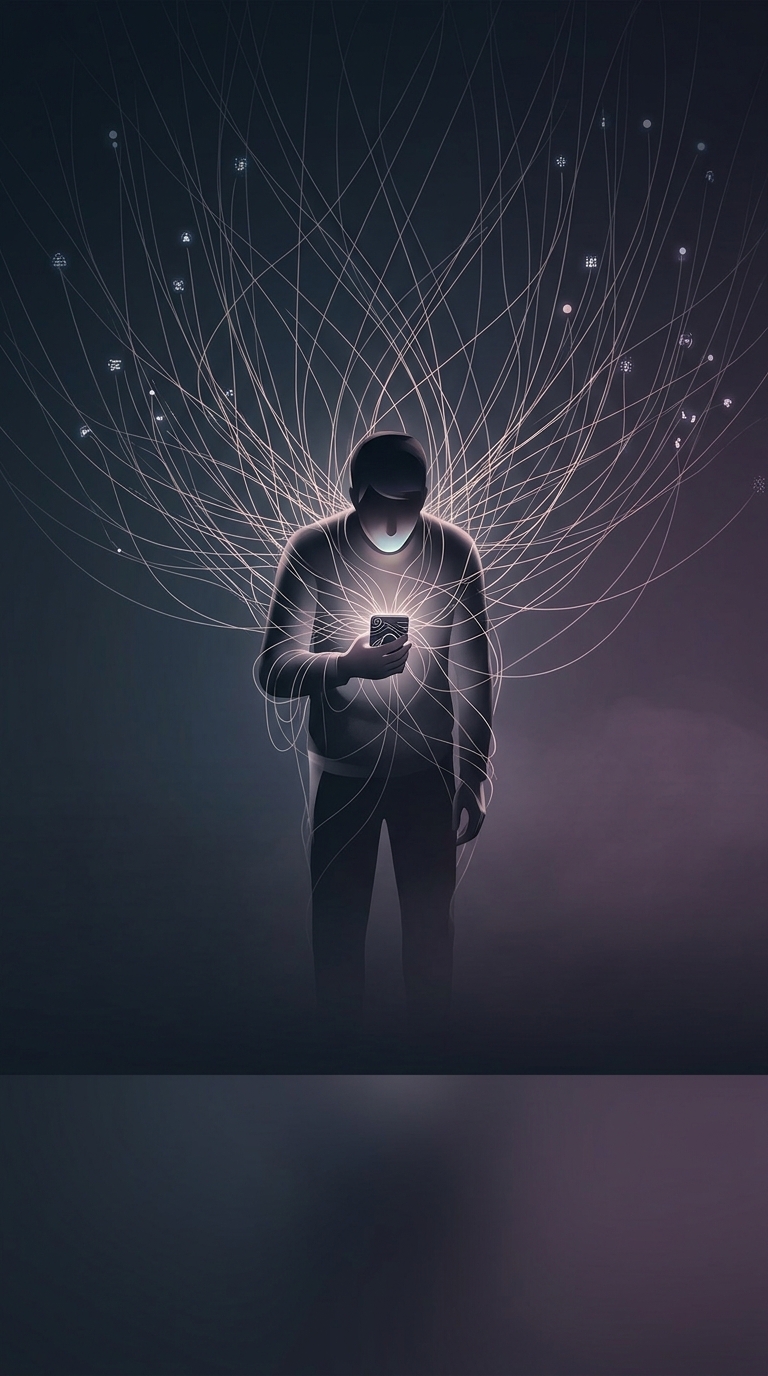
Having 1,000 friends does not affect everyone in the same way. The burden depends on how often someone checks the platform, how many interactions feel obligatory, and whether they can mute, unfollow, or step away without anxiety. The important difference is between having many connections and feeling responsible for tending to all of them. When every alert feels like a small social debt, even a quiet phone can leave someone mentally on call.