The costly edge of the sound barrier
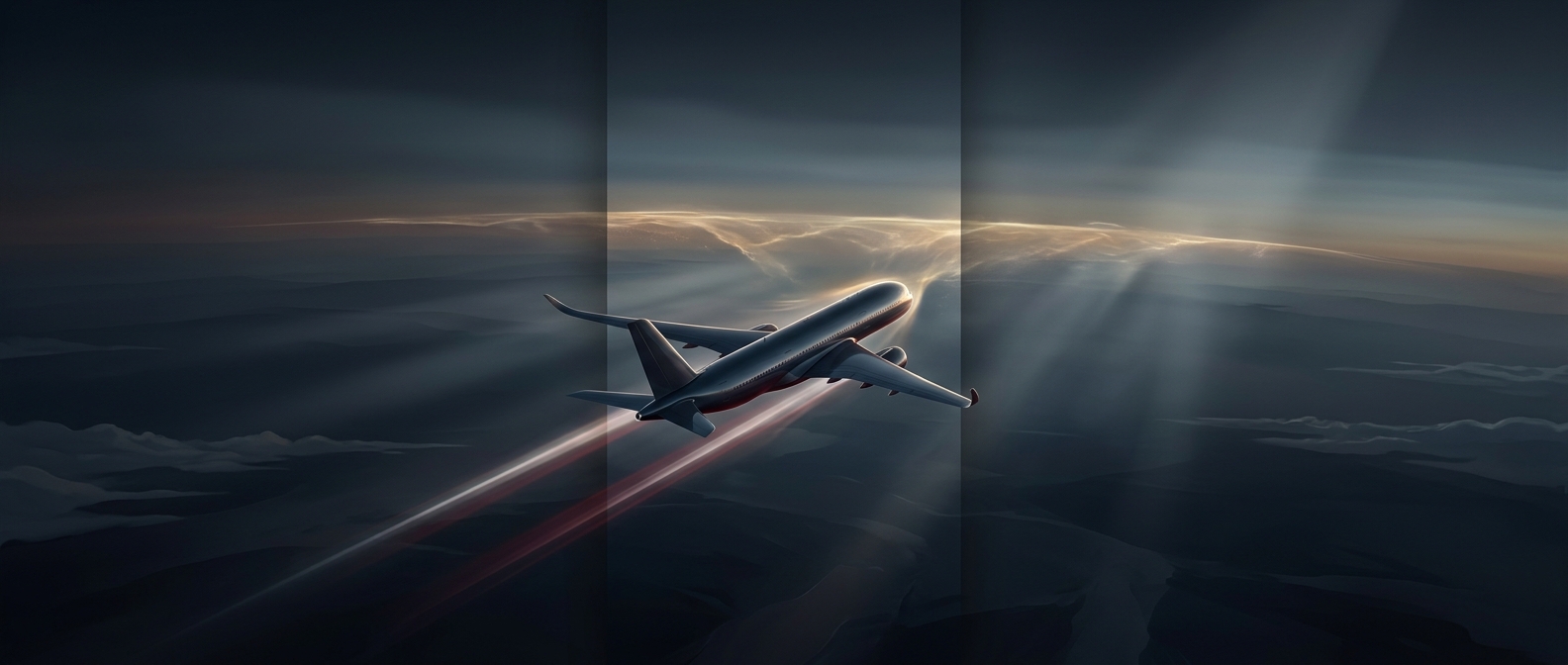
At cruising altitude, a passenger jet is already moving through air at a substantial fraction of the speed of sound. As it gets closer, pressure changes around the aircraft become stronger. Air can no longer adjust smoothly around the wings and fuselage, and small regions of airflow may reach the speed of sound even while the plane as a whole is still slower. These regions create shock waves—abrupt changes in air pressure that add drag and can disturb airflow over the wings.
This is why speeding up near the sound barrier is not like pressing a car’s accelerator on an open road. The engines must overcome rapidly growing aerodynamic resistance, so a modest reduction in flight time can require a disproportionate increase in thrust and fuel.
Why airlines choose a steady cruise
Airlines plan around the whole trip, not just the minutes saved in the air. Flying faster can mean burning more fuel, while fuel is a major operating cost and extra fuel itself adds weight that the aircraft must carry. The value of arriving sooner has to outweigh those costs—and on routine routes, a small time gain often does not.
Aircraft are therefore designed to cruise in a range where they can cover distance efficiently without approaching the steepest rise in drag. Schedules, winds, air-traffic routing, and operational needs can all affect a particular flight’s speed, but they do not erase the underlying tradeoff.
The speed limit is economic as well as aerodynamic
Passenger jets can fly faster than their usual cruise speed, but doing so is generally a poor bargain. Airlines get more from using fuel to carry passengers and cargo reliably than from spending much more of it to shave a little time off a flight. The practical result is a narrow compromise: fast enough to make long-distance travel useful, but not so fast that the fuel bill outruns the benefit.