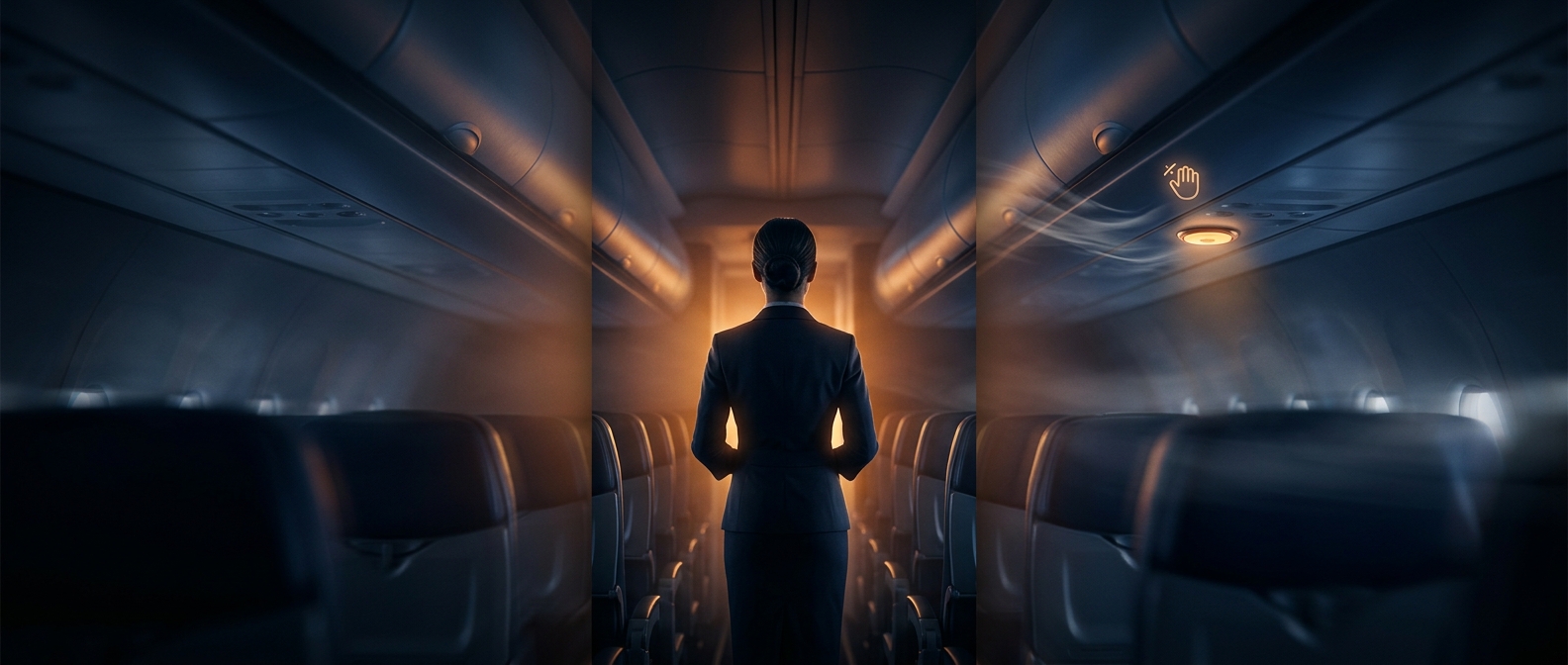
Why the cabin crew has to stay seated
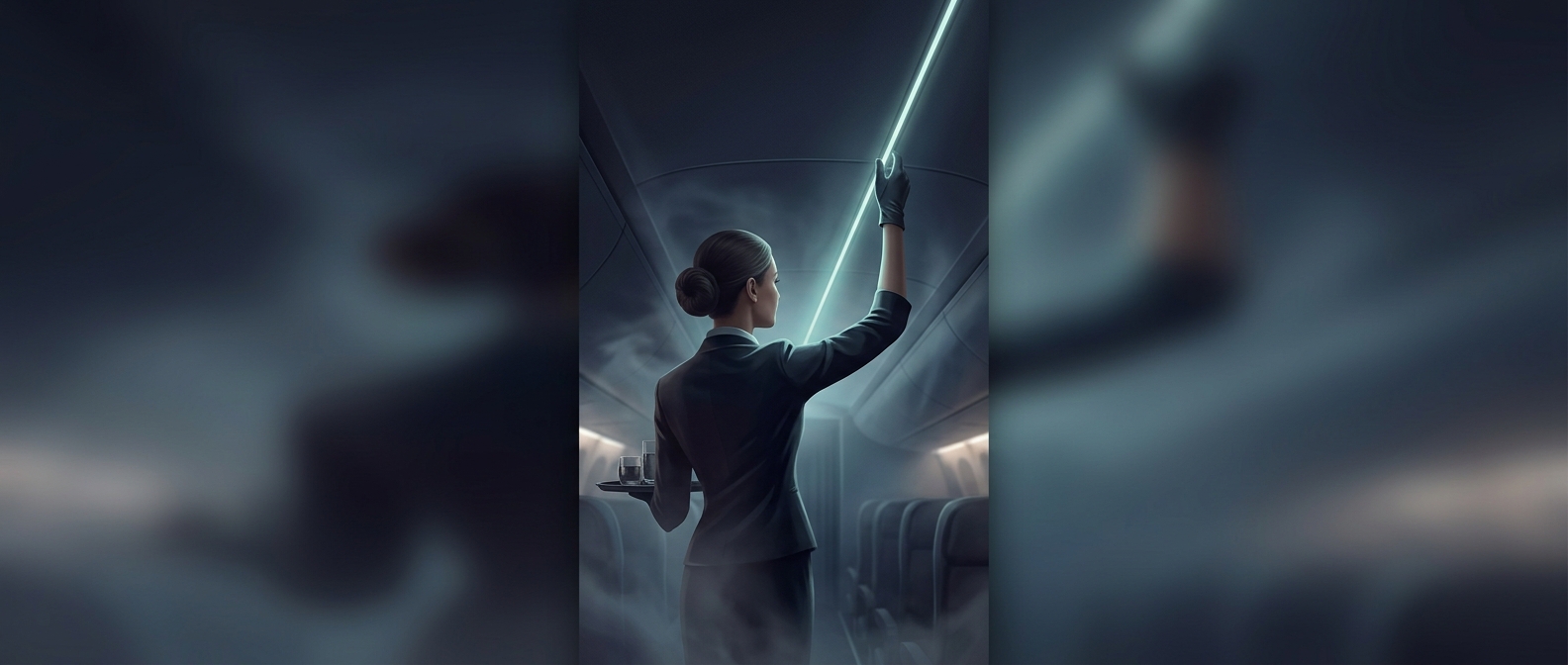
A takeoff is a brief period when the aircraft is accelerating, changing direction, and climbing. Sudden movement can throw an unrestrained person off balance, so flight attendants sit in secured jump seats with their harnesses fastened. Even a routine request cannot make it safe for them to walk through the cabin during that phase.
The crew’s position is part of the safety plan, not a pause in their responsibilities. Before departure, attendants check that the cabin is ready and take their assigned seats. From there, they are positioned to respond if an emergency occurs, rather than moving about while the aircraft is most vulnerable to abrupt changes in motion.
What the call button can—and cannot—do
The call button sends an alert to the cabin crew; it does not release an attendant from a seat or signal the pilots to interrupt takeoff. The crew may notice the alert, but they must follow the procedures for the aircraft’s current phase of flight. Once they can safely get up, they can attend to the request.
That distinction matters if a passenger needs help urgently. A call button is intended for ordinary cabin assistance, not emergencies. If someone is in immediate danger, passengers should alert the crew as soon as it is safe to do so, using the quickest available means. During takeoff, the crew’s restraint is a safeguard: it keeps them able to help when they can move without becoming another person who needs rescuing.