A call sign that changes with the passenger
Air traffic control call signs identify aircraft over the radio. They help controllers keep track of who is where, coordinate routes and clearances, and avoid confusing one flight with another. “Air Force One” is a status call sign, not the permanent name of a particular aircraft: it applies when a U.S. Air Force plane is carrying the sitting president.
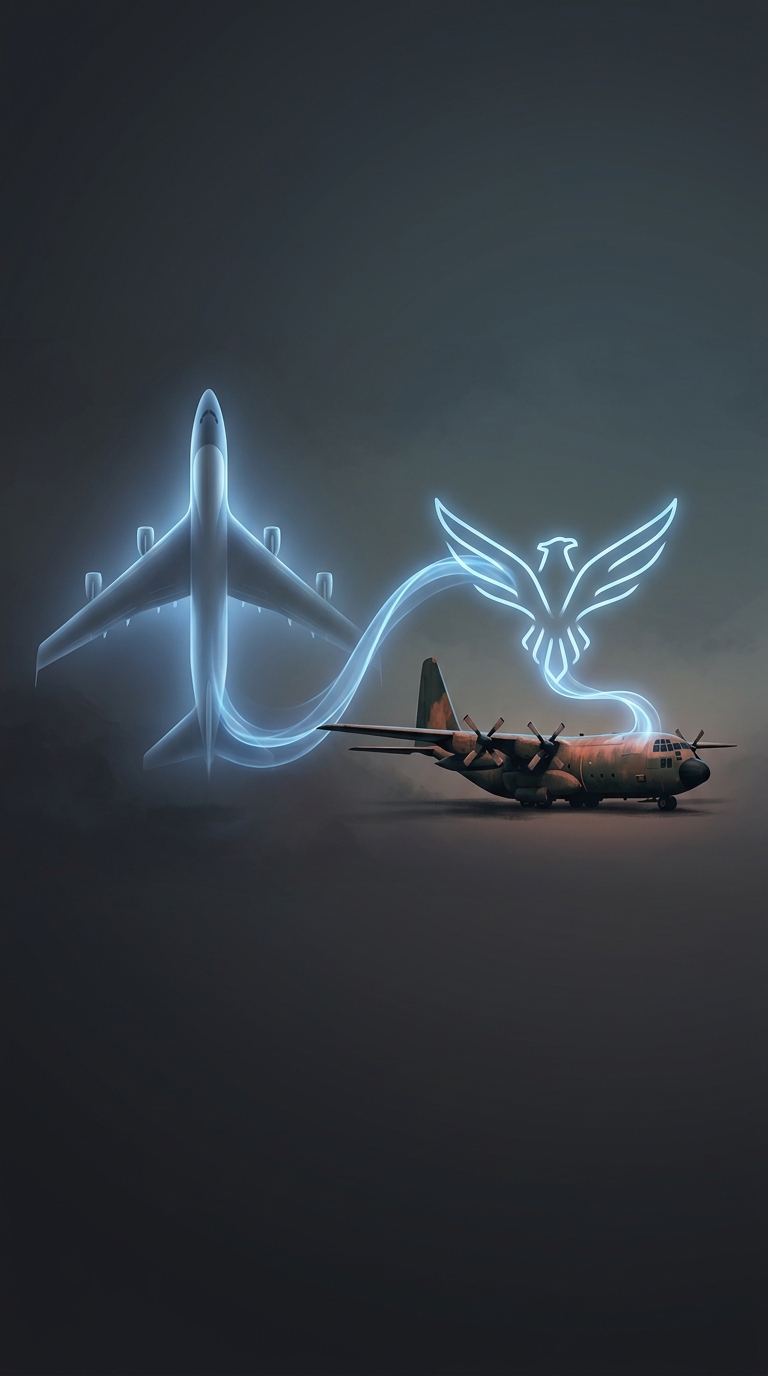
That means the phrase describes a mission in progress. The aircraft’s identity does not change, but its radio call sign does when the president boards—or when the presidential flight ends. A different Air Force aircraft carrying the president would use the same call sign.
The name signals a change in how the flight is handled
When controllers hear “Air Force One,” they know the president is aboard and that the flight requires special coordination. The call sign gives air traffic control a clear, immediate signal; it does not, by itself, make the aircraft invulnerable or explain all the security measures around the trip.
This distinction also explains why the familiar name can seem attached to one famous presidential jet: particular aircraft may carry the president often, but the call sign belongs to the role, not the airframe. The plane can change; the radio identity follows the president.