From ship’s steward to cabin attendant
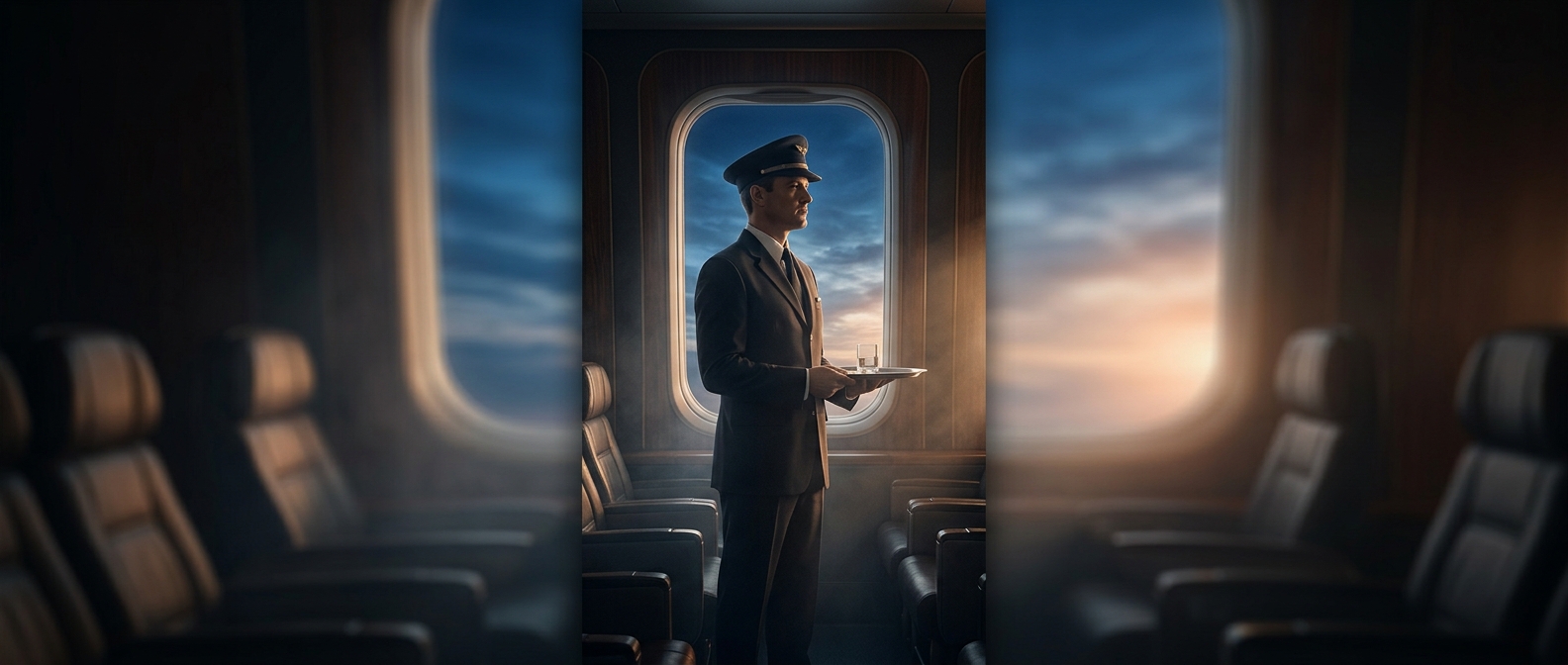
When commercial airlines began carrying passengers, they borrowed a familiar job title and model from ships: the steward. Male stewards helped travelers with meals, baggage, and the practical needs of a journey. The role made sense in an era when air travel was still new and airlines had not yet settled on what cabin service should look like.
But flying posed a different challenge from serving passengers aboard a ship. People had to be persuaded not only that the journey would be comfortable, but that they could trust an unfamiliar machine in the sky. The person moving through the cabin became part of the airline’s answer to that concern.
Why airlines turned to nurses
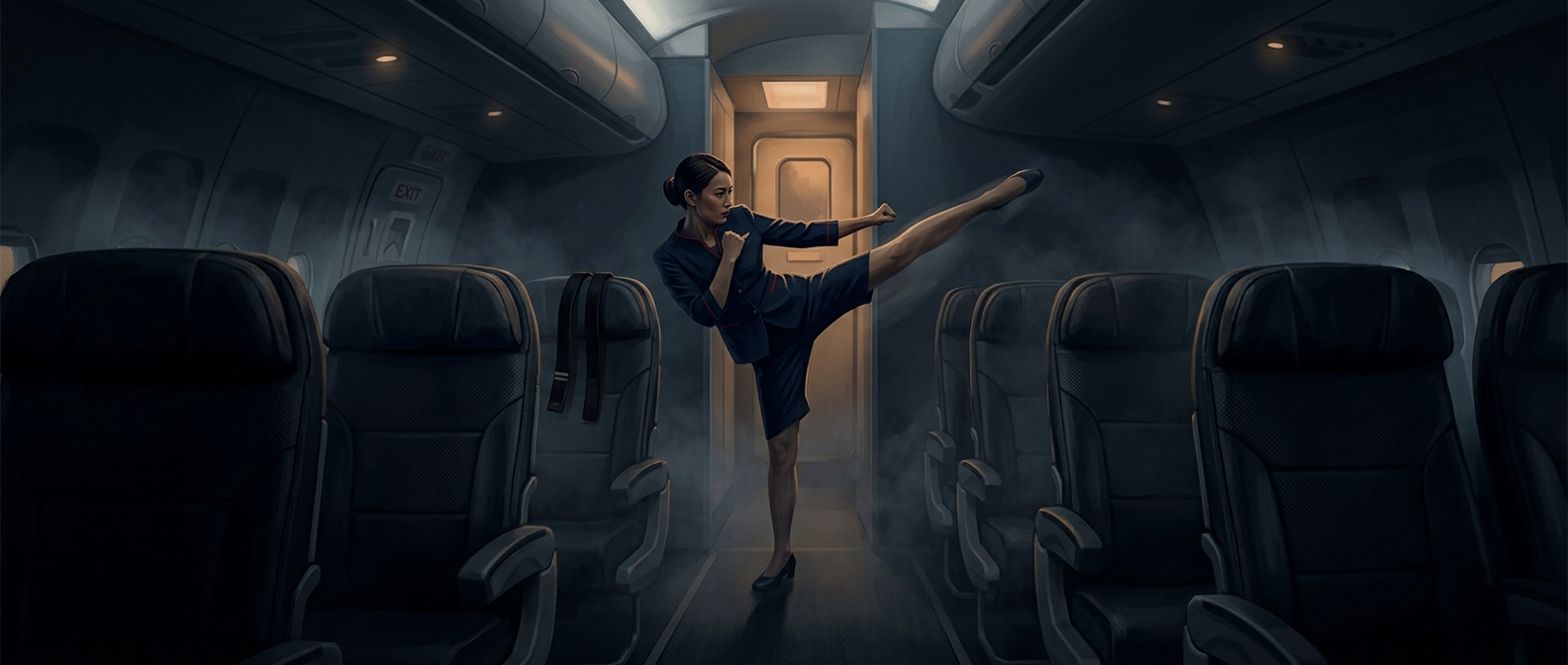
Airlines began recruiting women with nursing training, presenting them as attendants who could offer both service and a reassuring presence. A nurse’s credentials suggested that someone aboard knew how to respond if a passenger felt ill or frightened. That did not make an attendant a substitute for a doctor; it made medical training a visible signal of care in a setting where many passengers were anxious about flying.
The change also altered the job’s image. Cabin work was increasingly framed around soothing passengers and tending to their needs, rather than simply managing the logistics of a trip. Airlines had found a way to make the cabin feel less like an unfamiliar vehicle and more like a place where someone was looking after you.
Service became part of the safety message
This shift helped establish the modern idea of cabin service as more than food and assistance. The attendant’s calm, attentive presence could shape how passengers experienced the aircraft itself. Before a traveler could judge an airline by speed or convenience alone, the person welcoming them aboard helped make flight feel manageable—and worth trying.