Why balloon baskets are woven rather than rigid
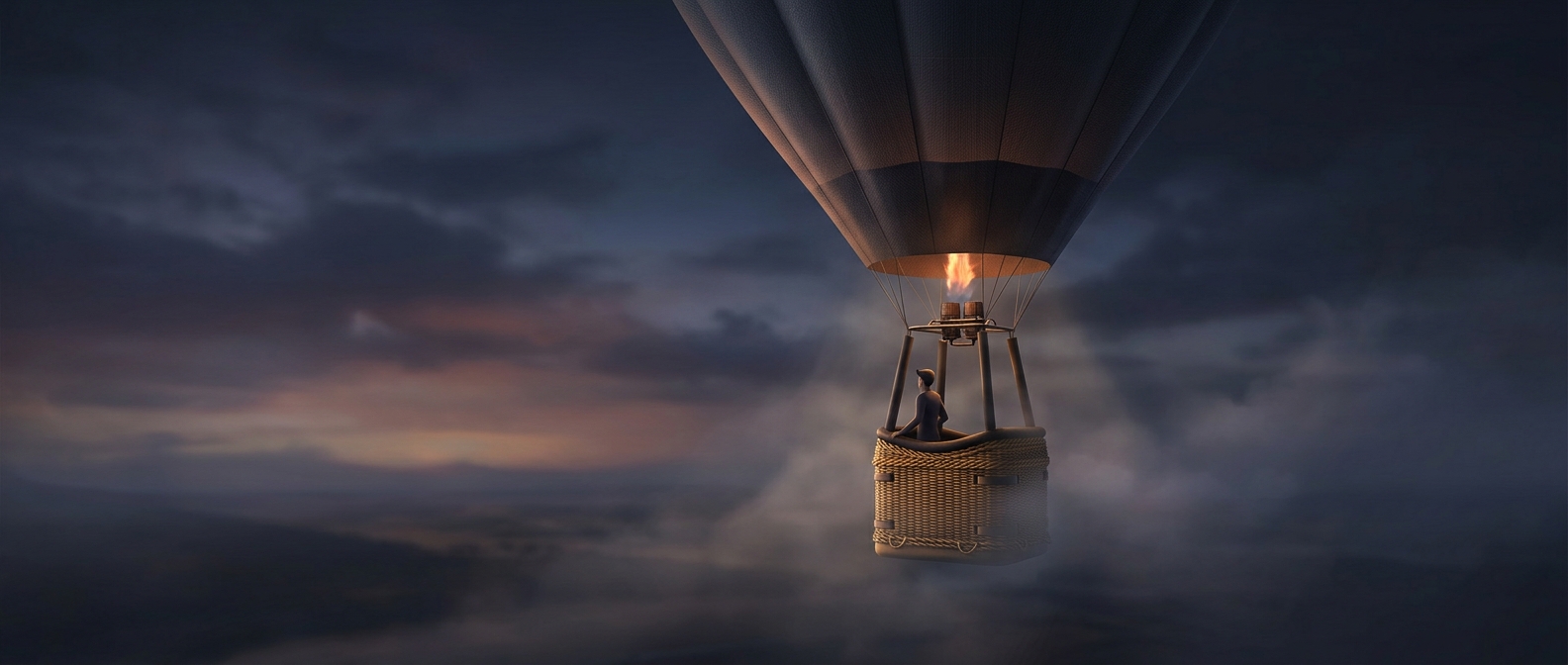
A balloon basket has to do two jobs that pull in opposite directions: carry people and equipment, yet remain light enough for the balloon to lift. Woven wicker offers a practical compromise. Its interlaced strips form a sturdy enclosure without the weight of a solid wall, and the weave can flex slightly under pressure instead of behaving like a brittle shell.
That flexibility matters most at touchdown. A balloon has no wheels or suspension; depending on the wind and landing, the basket may bump the ground or tip and drag briefly. A rigid structure can concentrate the force at a hard edge or joint. A woven basket can yield a little, helping it withstand knocks that might crack or split a less forgiving structure.
A working part of the landing system
The basket does not make every landing gentle. The pilot controls the descent, but the ground contact still depends on conditions such as wind and surface. The basket is one part of a broader setup: its shape keeps occupants together, while its flexible construction tolerates the bumps that can occur when the balloon settles or moves along the ground.
Wicker also has a practical advantage after a rough flight: damaged sections can often be repaired rather than requiring replacement of a single rigid shell. The basket is designed not just to carry passengers aloft, but to endure contact with the ground. That makes its seemingly old-fashioned weave a functional choice, not merely a traditional look.