Why a Buddha tattoo can be more than a fashion choice in Sri Lanka
In Sri Lanka, images of the Buddha are treated as sacred, not as ordinary decorative motifs. A tattoo places that image on a person’s body, where it may be visible in public settings that locals regard as inappropriate. What a visitor sees as personal expression can therefore be read by others as disrespect toward Buddhism.
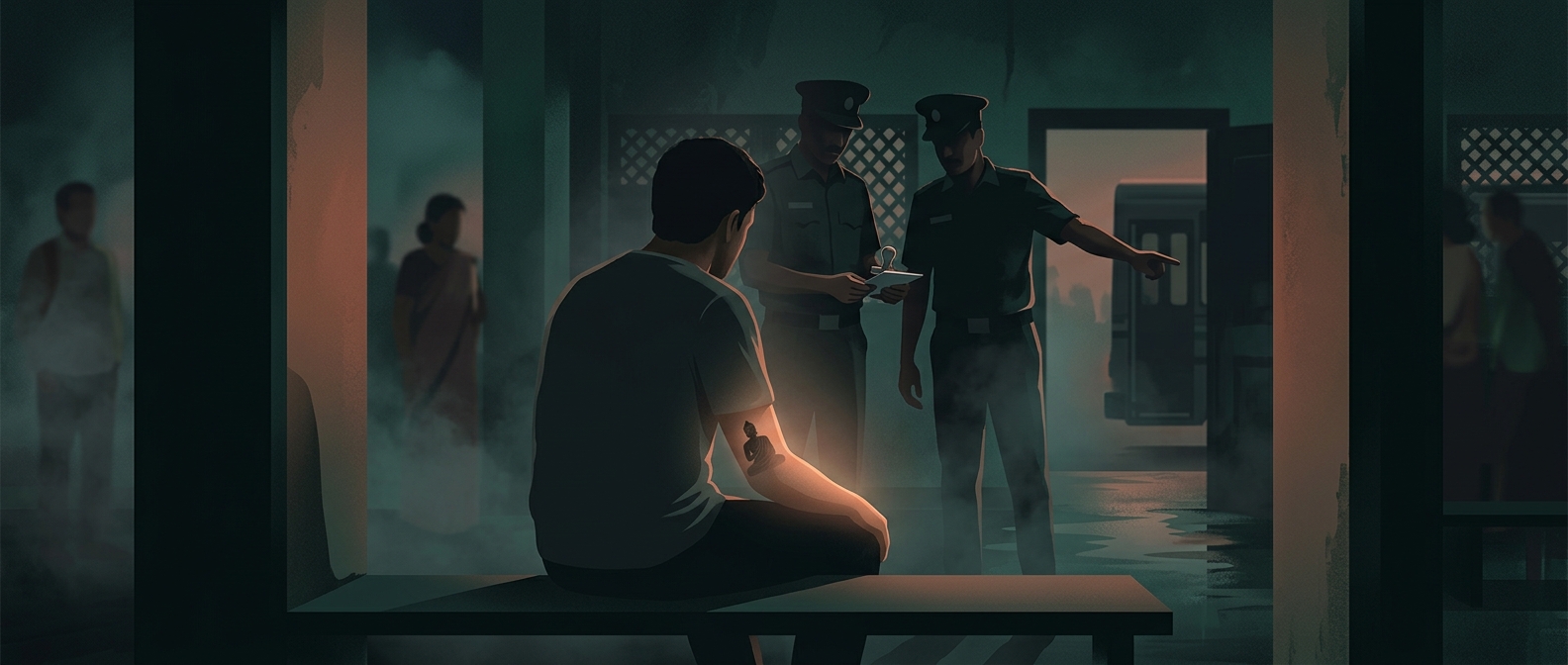
That difference in meaning can have consequences beyond an awkward exchange. Sri Lankan authorities have detained and deported foreign visitors over Buddha tattoos, treating the display as an offense rather than simply a matter of taste. The risk is tied to the image’s religious significance and how it is presented—not merely to the fact that a traveler has tattoos.
The practical risk is public visibility
A tattoo that is covered may not attract the same attention as one displayed openly, but covering it is not a guarantee against trouble. Travelers with Buddha imagery should think ahead about clothing and situations where the tattoo could be exposed, including heat, swimming, or changing clothes in public.
The larger lesson is that a symbol does not carry the same meaning everywhere. In Sri Lanka, showing Buddha imagery on skin can turn a private design into a public statement, with consequences serious enough to interrupt a trip.