stackyFACTS
Transport

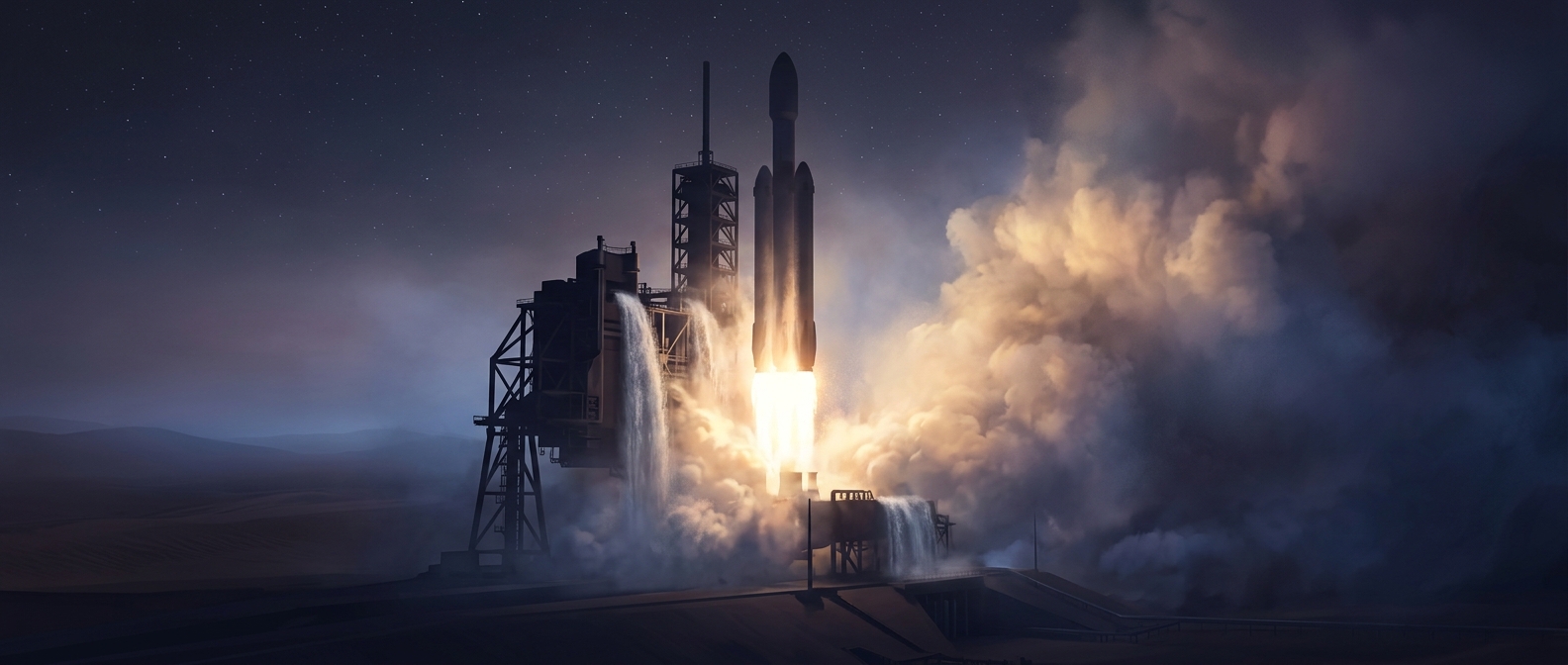
Rocket nosecones split open in space

HERE’S THE INTERESTING PART

The aerodynamic nosecone of a rocket is entirely useless once it hits the vacuum. Explosive seams forcefully blast the protective shell directly down the middle, letting the two halves drift violently away to finally expose the payload.
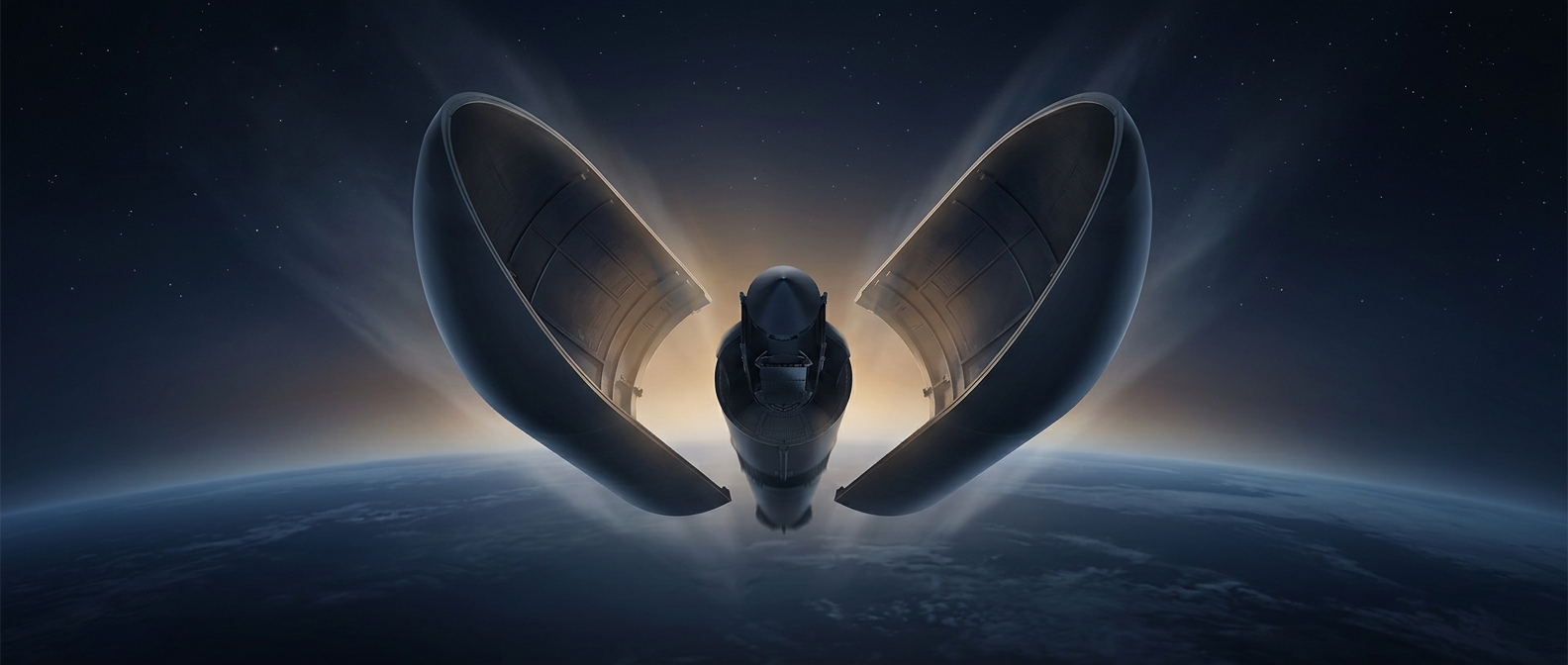
Rocket nosecones split open in space
STACKY / Transport
One discovery leads to another.

Keep exploring facts in this topic.

Transport →
STACKY FOR IPHONE

A bigger world.
One discovery
at a time.

Keep discovering with Stacky. Interesting facts in an app that is always within reach.

Download on the App Store
ONE MORE DISCOVERY?

Keep exploring

All in this topic →
Why launch pads flood the ground with water
Transport

Why launch pads flood the ground with water

Rockets are so outrageously loud that the acoustic shockwaves would literally shatter their own parts. To prevent the rocket from screaming itself to death,…

Discover more
How space stations turn trash into fire
Transport

How space stations turn trash into fire

When a cargo ship finishes dropping off fresh apples and clean socks, astronauts fill it back up with their accumulated trash. The ship undocks and…

Discover more
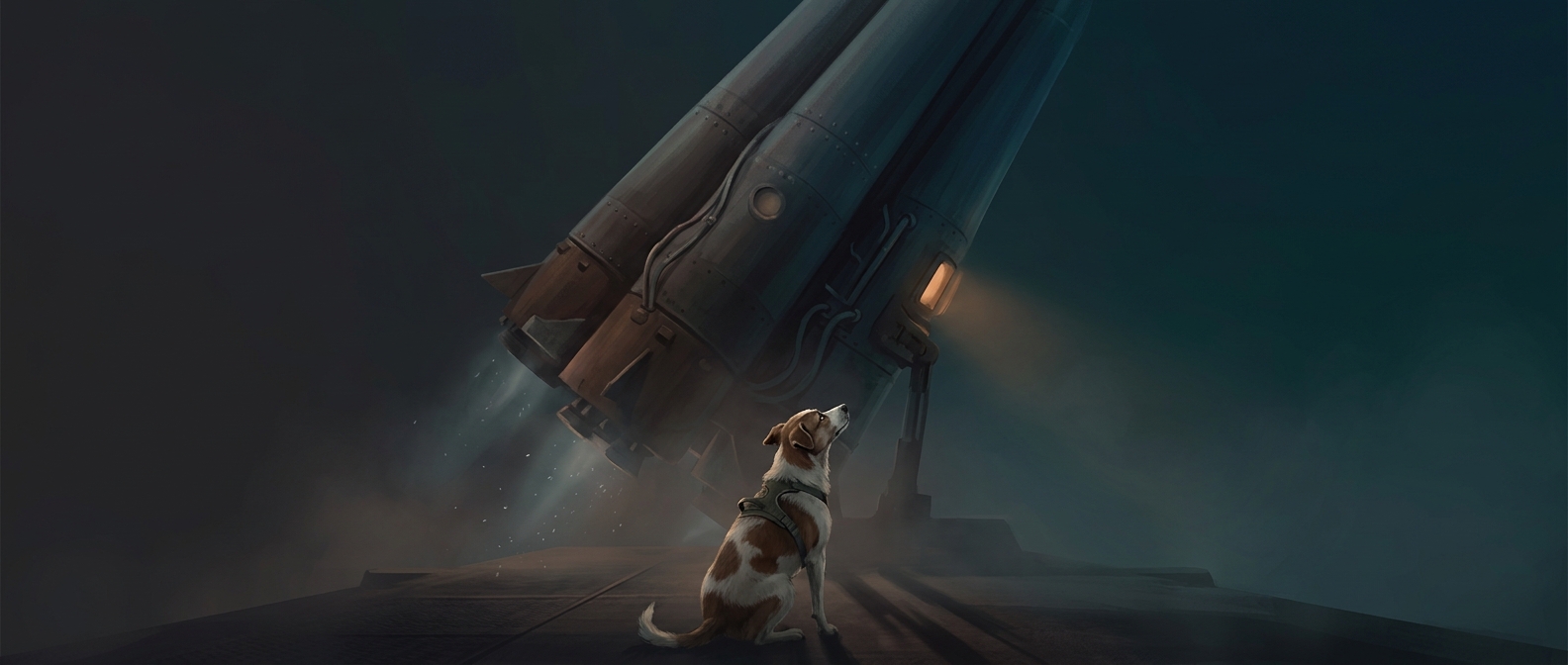
Why the Soviet space program chose stray dogs
Transport

Why the Soviet space program chose stray dogs

While NASA preferred using specially trained chimpanzees, the USSR simply rounded up stray mongrels off the streets of Moscow. Scientists reasoned that if a…

Discover more
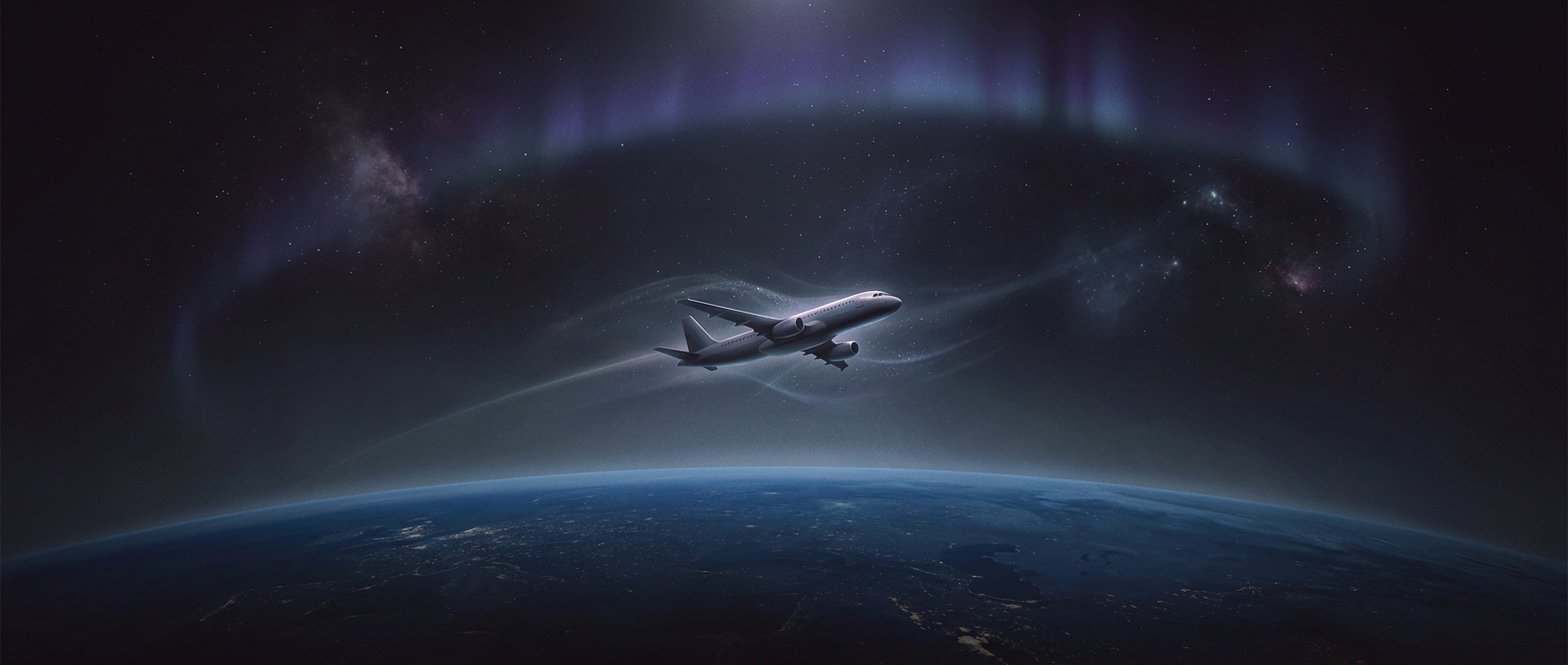
Why flying exposes you to more cosmic radiation
Transport

Why flying exposes you to more cosmic radiation

Every time you casually fly across the globe, you are getting bombarded by cosmic radiation. Leaving the protective blanket of the lower atmosphere means your…

Discover more
Traveling to the edge of the Earth's atmosphere is theoretically a much shorter journey than driving across a large terrestrial state, meaning you could technically reach the…
Transport

Traveling to the edge of the Earth's atmosphere is theoretically a much shorter journey than driving across a large terrestrial state, meaning you could technically reach the…

Traveling to the edge of the Earth's atmosphere is theoretically a much shorter journey than driving across a large terrestrial state, meaning you could…

Discover more
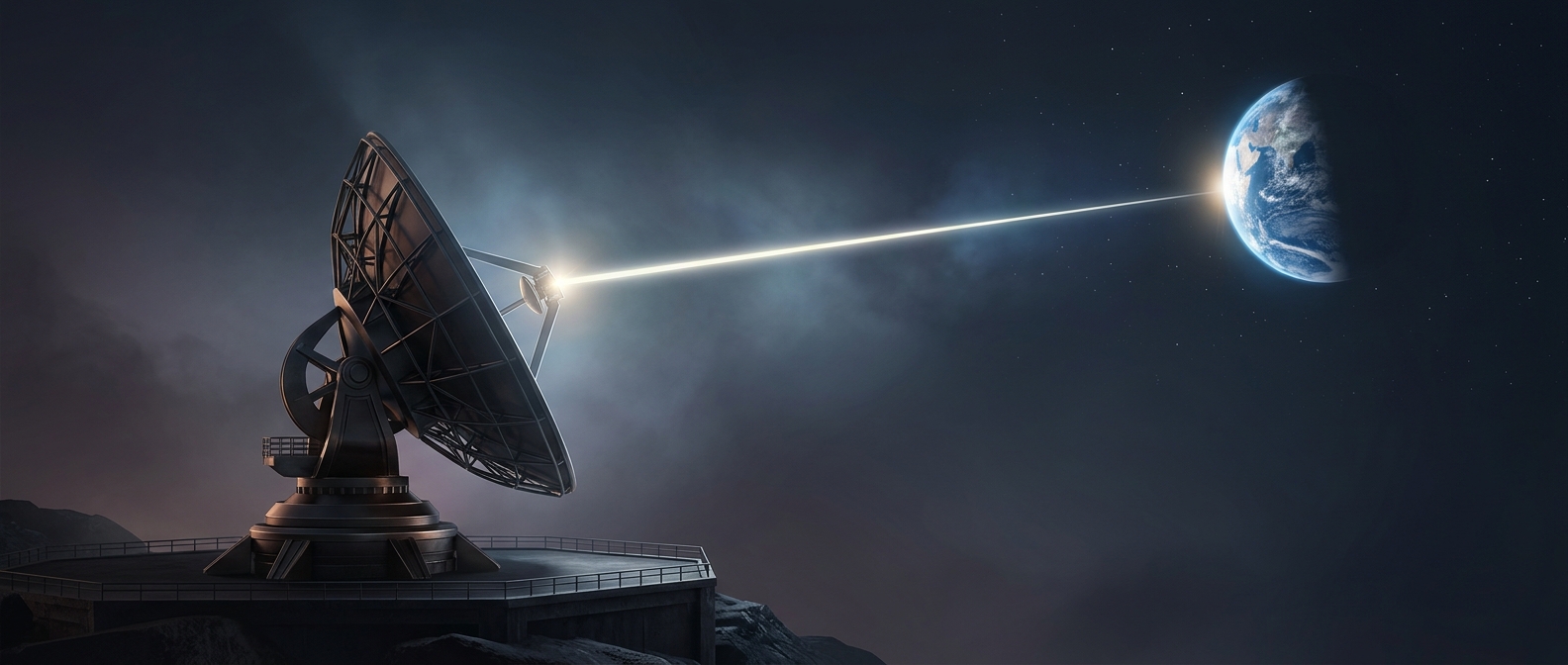
Deep space antennas point precisely at Earth
Transport

Deep space antennas point precisely at Earth

Transmitting data across billions of miles requires terrifyingly accurate aim. Parabolic dishes on outer-planet probes must actively articulate their massive…

Discover more
StackyMore discoveries in the app
Download on the App Store