How the Nagra III Made Location Sound Practical
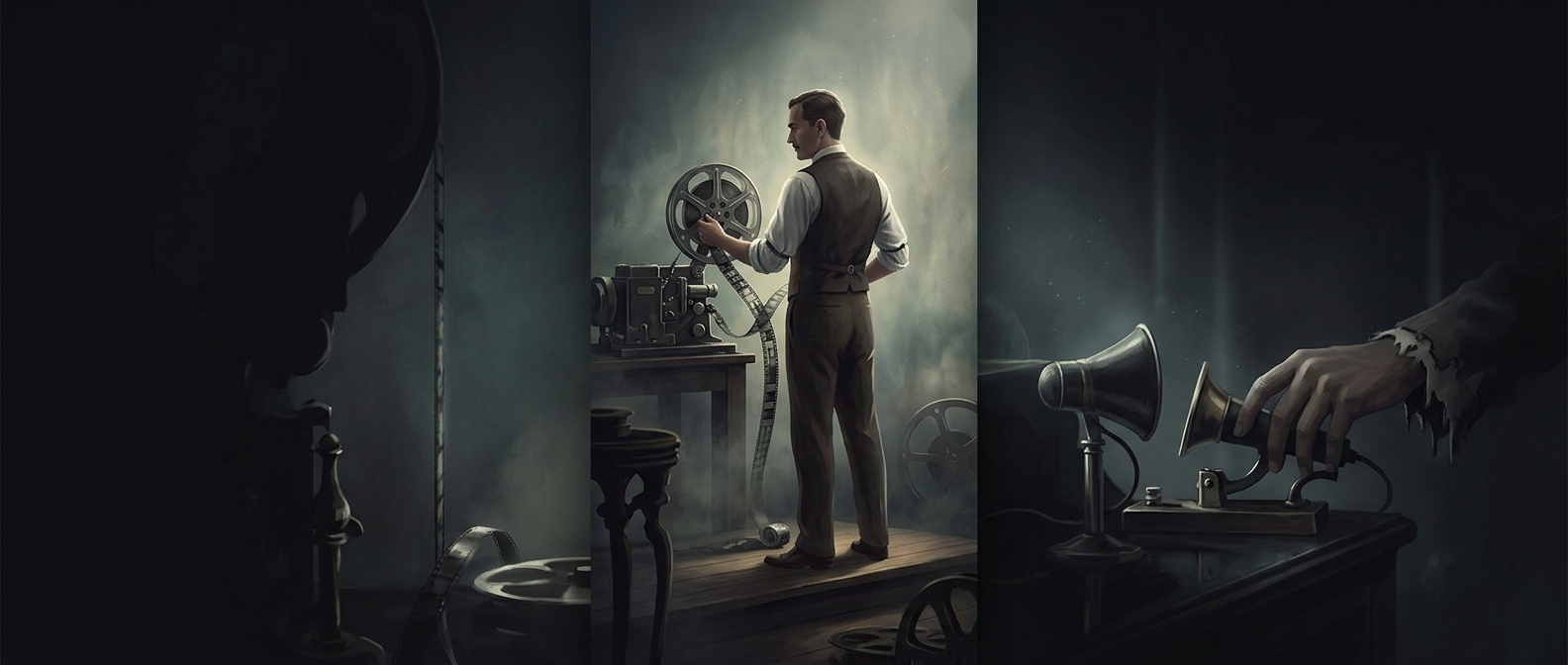
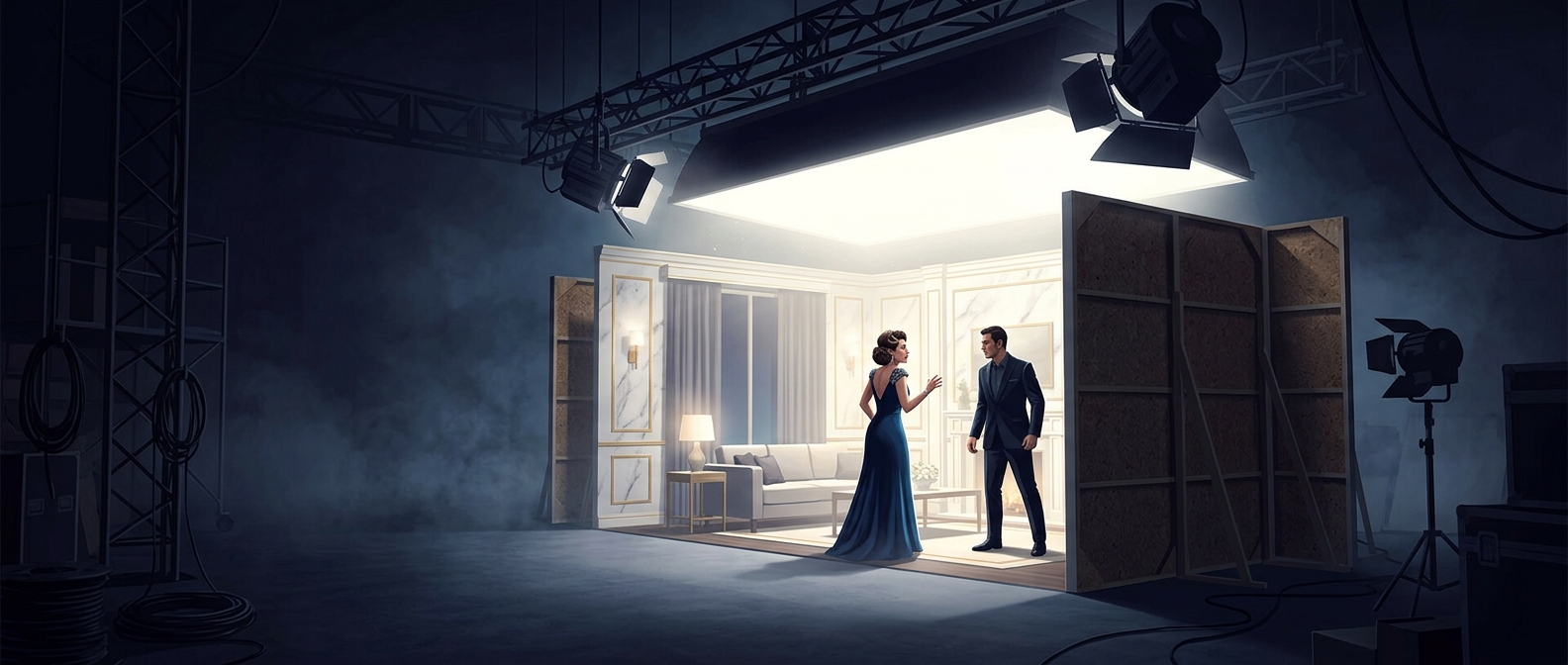
Before portable synchronized recording, a documentary crew faced a choice: stage scenes near bulky equipment or record pictures and sound separately, then struggle to match them afterward. The Nagra III changed that calculation by making high-quality tape recording portable enough to follow people and events outside a studio.
Its importance was not just that a sound technician could carry it. The recorder could keep its tape running in step with the film camera, so the spoken words and movements captured on separate machines still belonged together.
A Shared Timing Signal
Film cameras and tape recorders do not automatically run at precisely the same speed. Even a small mismatch can make a voice drift out of sync with a person’s lips. The Nagra III’s synchronization system addressed this with a pilot signal—a timing reference linked to the camera’s operation and recorded with the sound. During editing, that reference helped the crew match the tape to the corresponding film.
That meant a camera operator could film a real conversation while a sound technician recorded it nearby, without tethering both machines to a studio setup. Editors still had to assemble the material, but they had a dependable way to line up what viewers saw with what they heard.
The Documentary Could Follow the Moment
Portability and synchronization changed what a crew could attempt. Instead of asking people to repeat a moment for the camera or arranging every scene around fixed recording equipment, filmmakers could work in streets, homes, and other active locations. The machine did not make documentary filmmaking effortless; crews still had to manage equipment, sound, and editing. But it made spontaneous scenes far more workable.
The lasting change was practical: a documentary crew could move with an unfolding event and bring back sound that remained usable with the film. A shoulder-carried recorder helped turn location recording from a logistical compromise into a normal part of making documentaries.