Why an old post can make a tiny mistake feel enormous
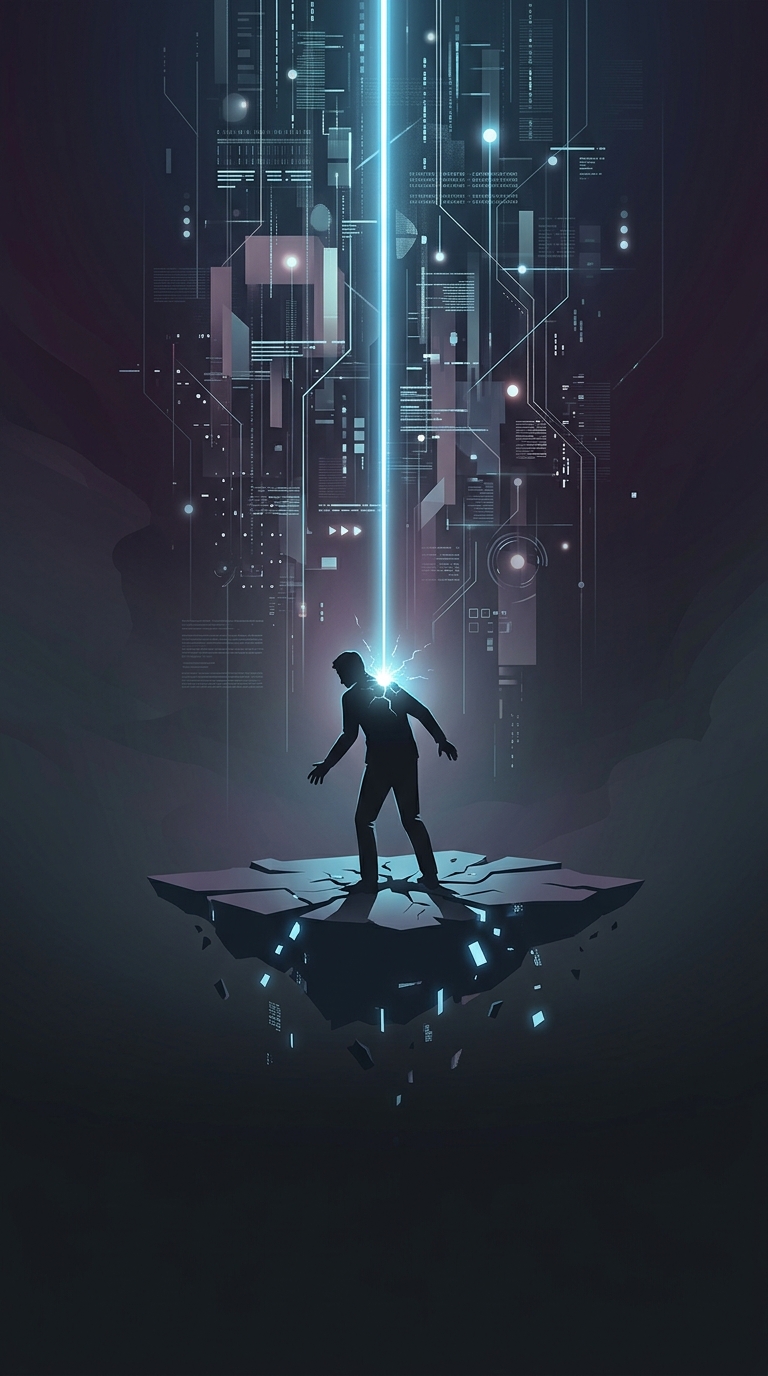
Accidentally liking an old post creates a sharp mismatch: you may have been browsing casually, but the tap can look deliberate to the person who receives it. Because the post is years old, the recipient may wonder why you were looking—and you may start imagining that they are asking the same question.
That imagined audience can magnify the moment. Psychologists call one related tendency the spotlight effect: people often overestimate how much others notice and dwell on their behavior. A notification makes the like visible, but it does not tell you how the recipient interprets it—or whether they give it much thought at all.
The uncertainty keeps the embarrassment alive
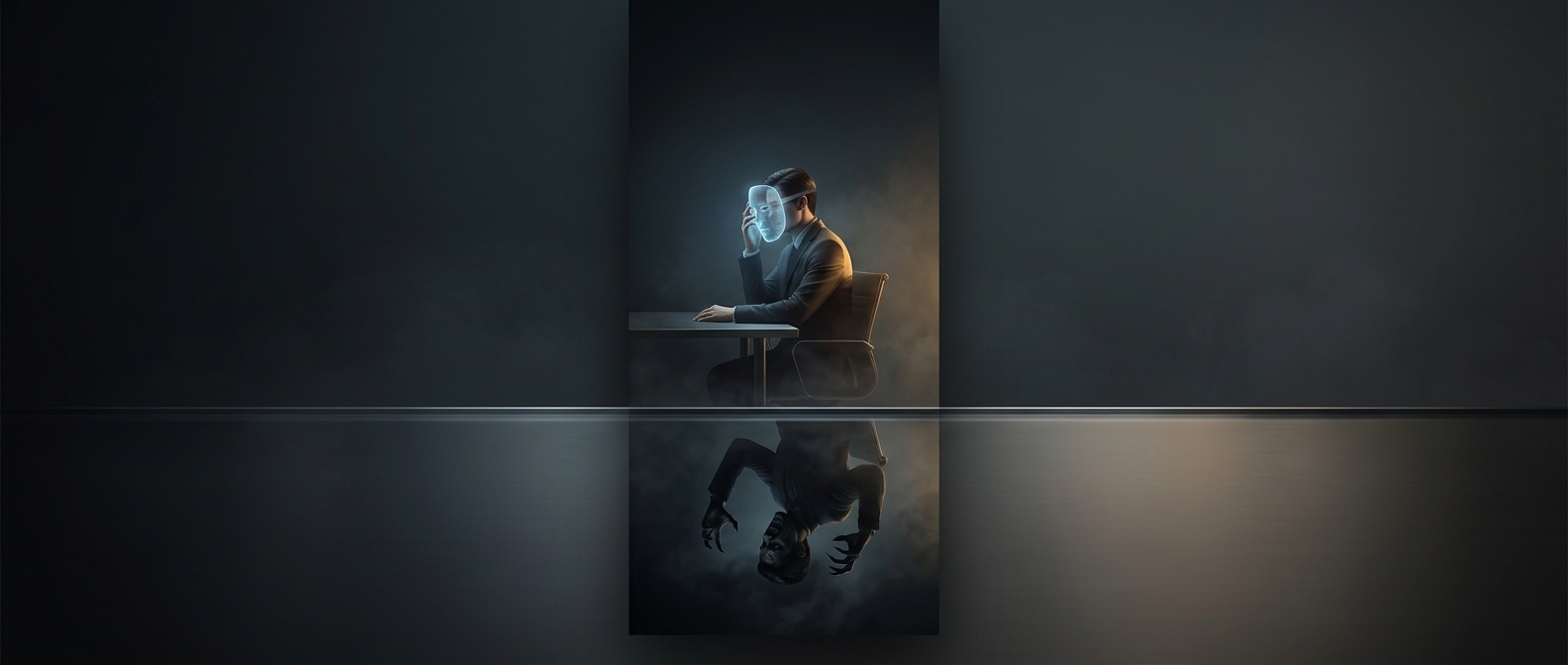
A social signal is brief, but its meaning is open-ended. The recipient could read the like as curiosity, an accident, or a deliberate gesture. With no immediate explanation, the person who tapped may mentally rehearse each possibility and treat the most embarrassing one as the likeliest.
The interface can sharpen that feeling. A like is easy to trigger while scrolling, yet it may generate a notification that reaches someone outside the private moment in which it happened. Removing the like can undo the visible reaction on some platforms, but it cannot guarantee that a notification was never seen. That gap between what you can control and what you cannot is part of the jolt.
A notification is not a verdict
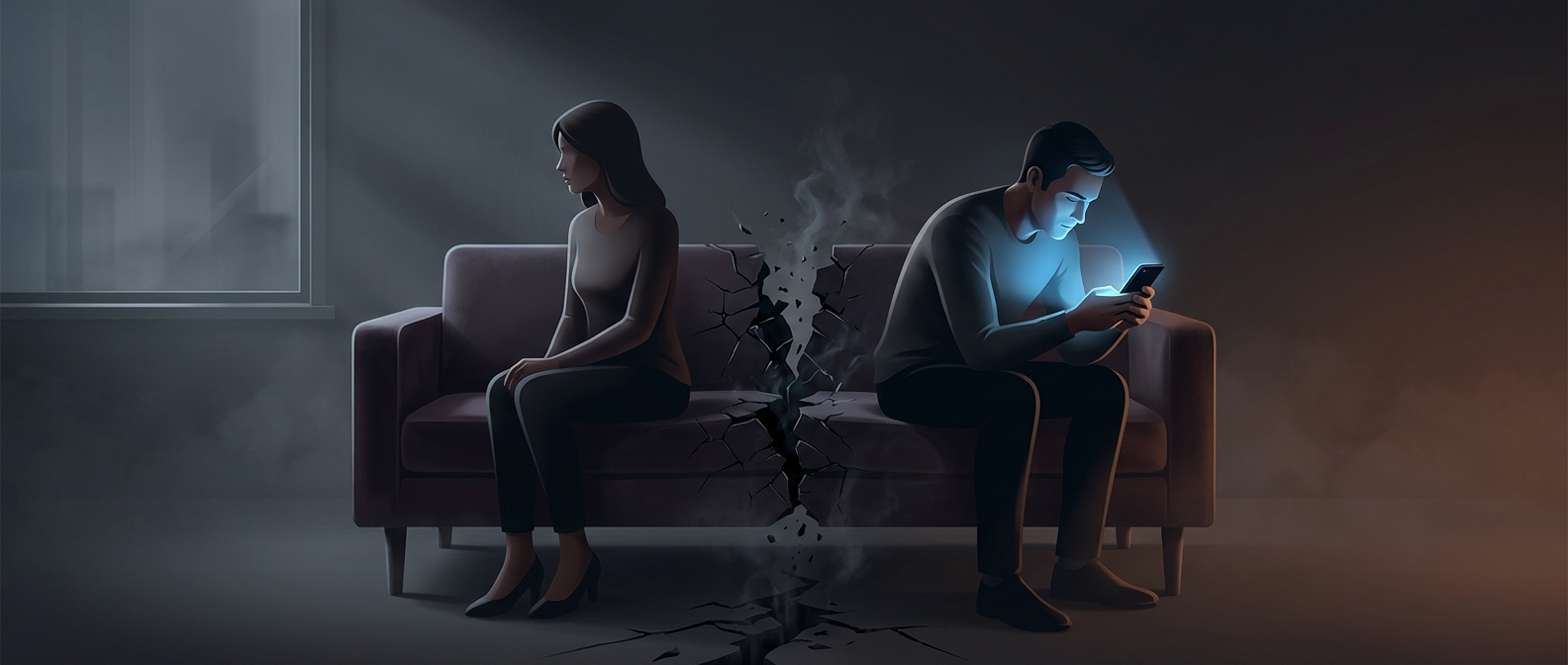
The episode feels like a social exposure because a small, ambiguous action suddenly has an audience. But the notification proves only that an interaction occurred; it does not prove what the other person thinks about it. The post may be old, yet the awkwardness often comes from having to sit briefly with a meaning neither person has actually confirmed.