The task is only half the joke
A Taskmaster challenge often looks simple because its instructions are short. The difficulty lies in discovering what they actually permit. A contestant may have to satisfy several conditions at once, work with whatever is at hand, and decide whether a clever shortcut counts—or violates the wording. The gap between an ordinary goal and an unexpectedly awkward route to it is where the comedy begins.
The tasks are designed to invite different approaches rather than test one shared skill. One person may take the wording literally; another may search for a loophole; a third may overcomplicate a solution that was sitting in plain sight. Because contestants generally tackle the challenges separately, they cannot simply copy one another’s strategy. Each attempt becomes a small record of how that person thinks under pressure.
The rules create room for judgment
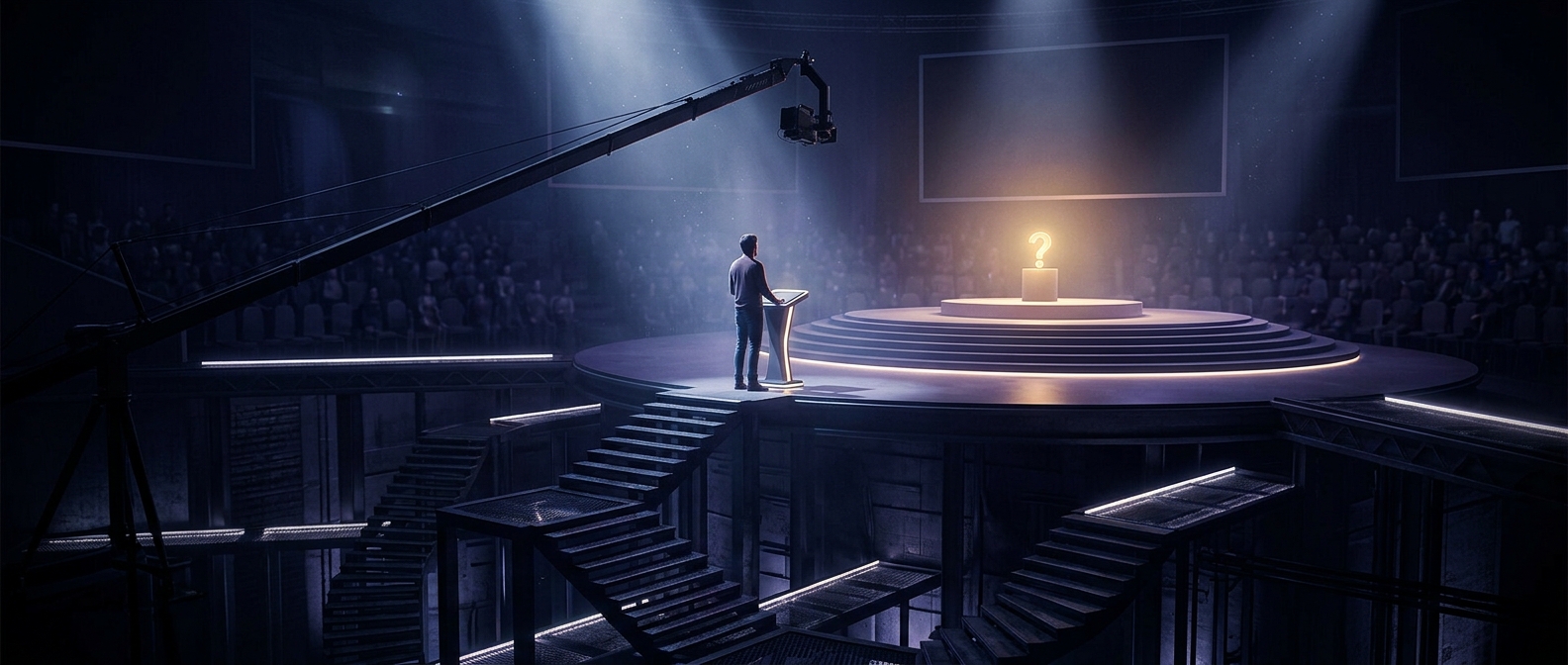
The instructions set boundaries, but they do not always settle every question. What counts as “best,” “most,” or “fastest” can require interpretation, and a technically valid solution may still look unimpressive. In the studio, Greg Davies, as the Taskmaster, awards points, while Alex Horne presents the task footage and supports the proceedings. That division gives the show a useful tension: contestants can argue their case, but the final ranking belongs to the person judging them.
A disputed detail can matter as much as the original attempt. Did someone meet the condition, or merely find a way around it? The audience has often seen the same evidence as the judges, so it can weigh the contestants’ excuses—and enjoy the moment when a confident defense collapses under a replay.
A tiny problem becomes a public test
The format turns practical decision-making into performance. A contestant is not just trying to finish; they are doing it knowing that their choices will later be shown to the others and assessed in front of an audience. The pressure comes from having to make a decision before knowing which interpretation—or which mistake—will look funniest afterward. That is why a trivial object can sustain an elaborate fiasco: the task is small, but the reasoning is on display.