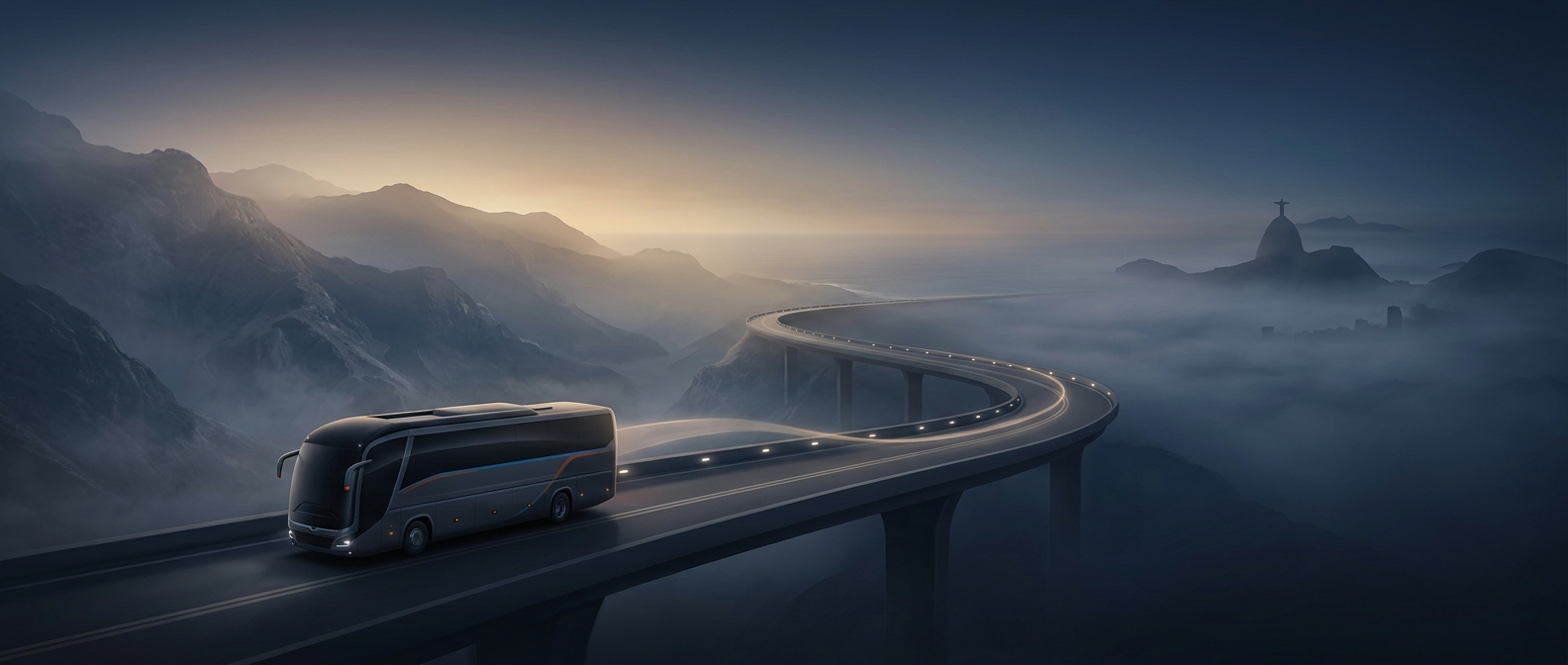
Why the road clock keeps running
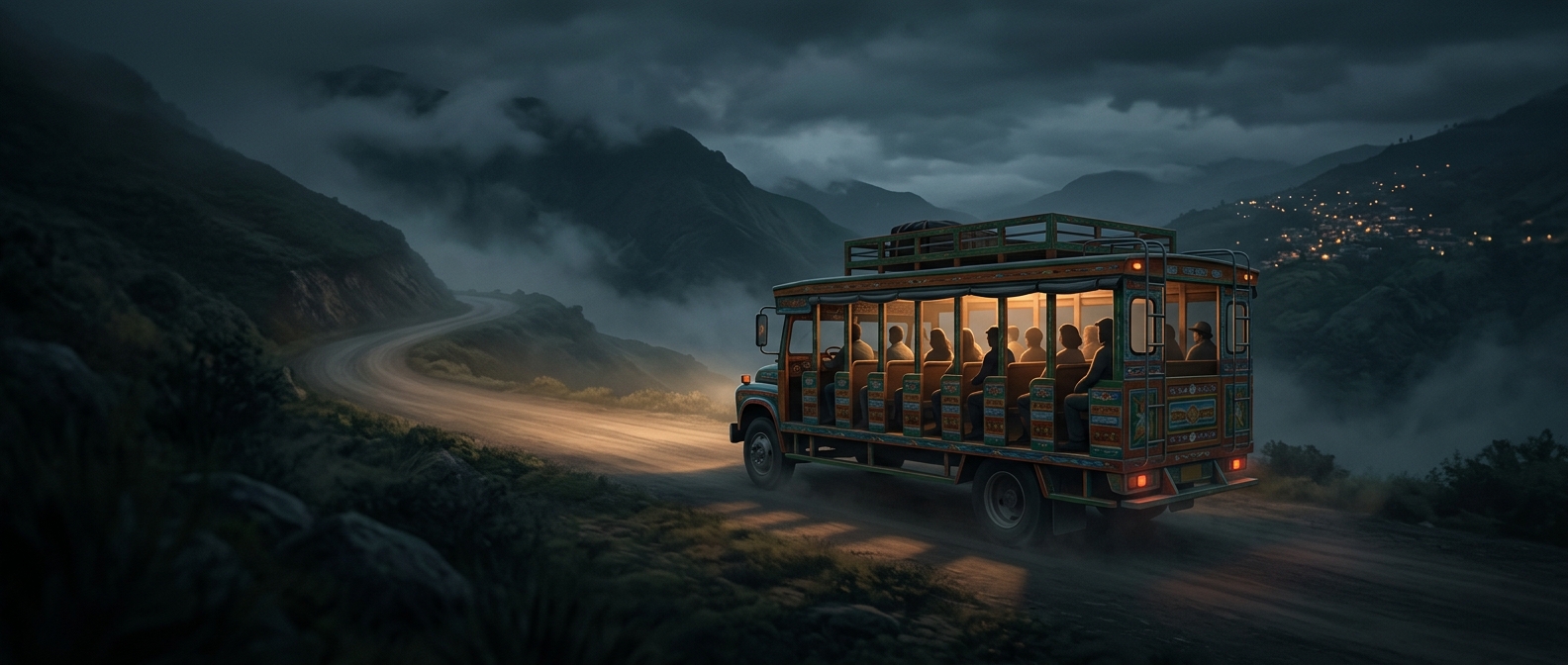
A 102-hour bus trip is not simply a short drive repeated four times. Long-distance coaches travel on the road network that exists: routes must connect towns, cross valleys and mountain passes where roads can be built, and follow curves that a map’s straight line leaves out. The route’s shape, steep grades, and changing road conditions all limit how quickly a large vehicle can cover ground.
A coach also cannot keep highway speed through every stretch. It slows for towns, bends, climbs, and traffic, while scheduled stops let passengers eat, use facilities, and change buses or crews where the service requires it. Border crossings add another pause: passengers and documents may need to be checked before the vehicle can continue. The exact mix depends on the route, so the same distance can take very different amounts of time by bus.
The tradeoff behind a very long ride
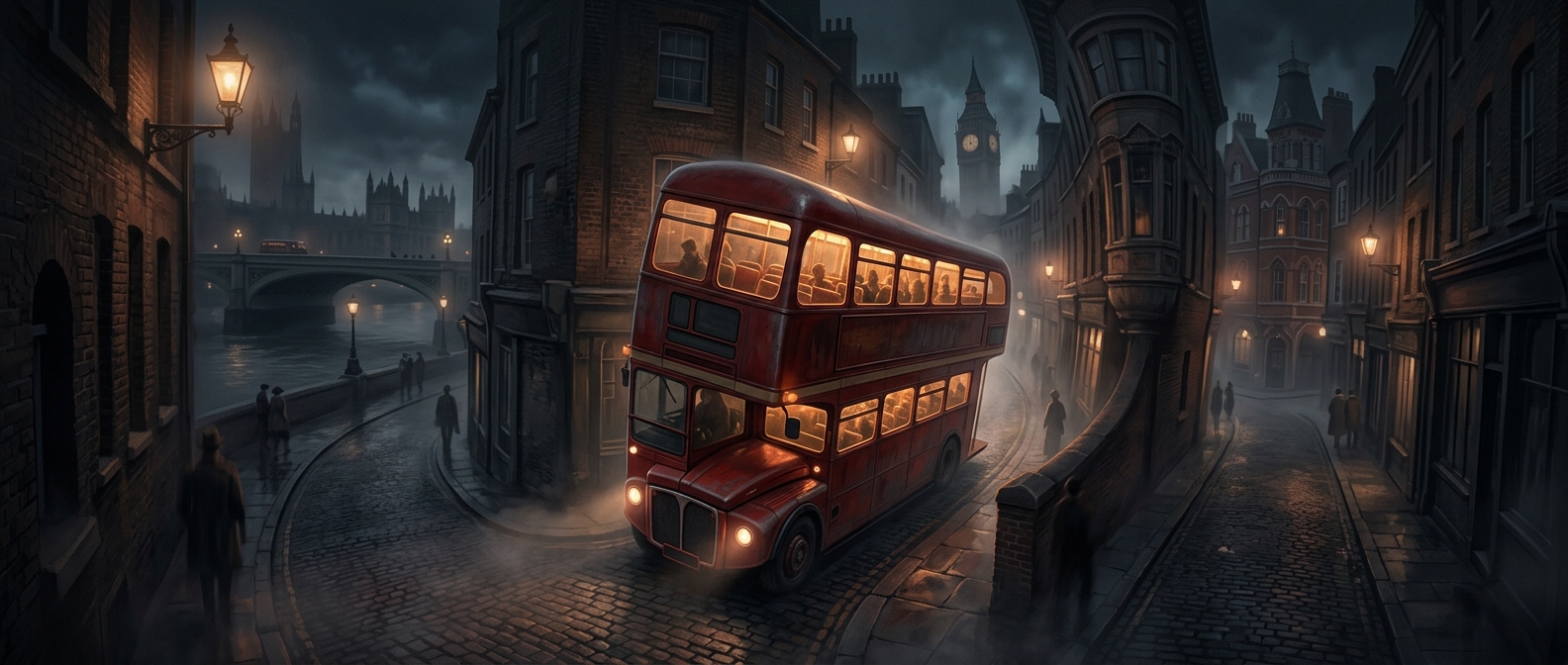
A bus can reach places that are not served by an airport or a convenient rail line, and it carries passengers along the road connections between them. The tradeoff is that those connections expose the journey to every constraint along the way. A flight can cross a mountain range directly; a bus must use a pass or a longer route around it.
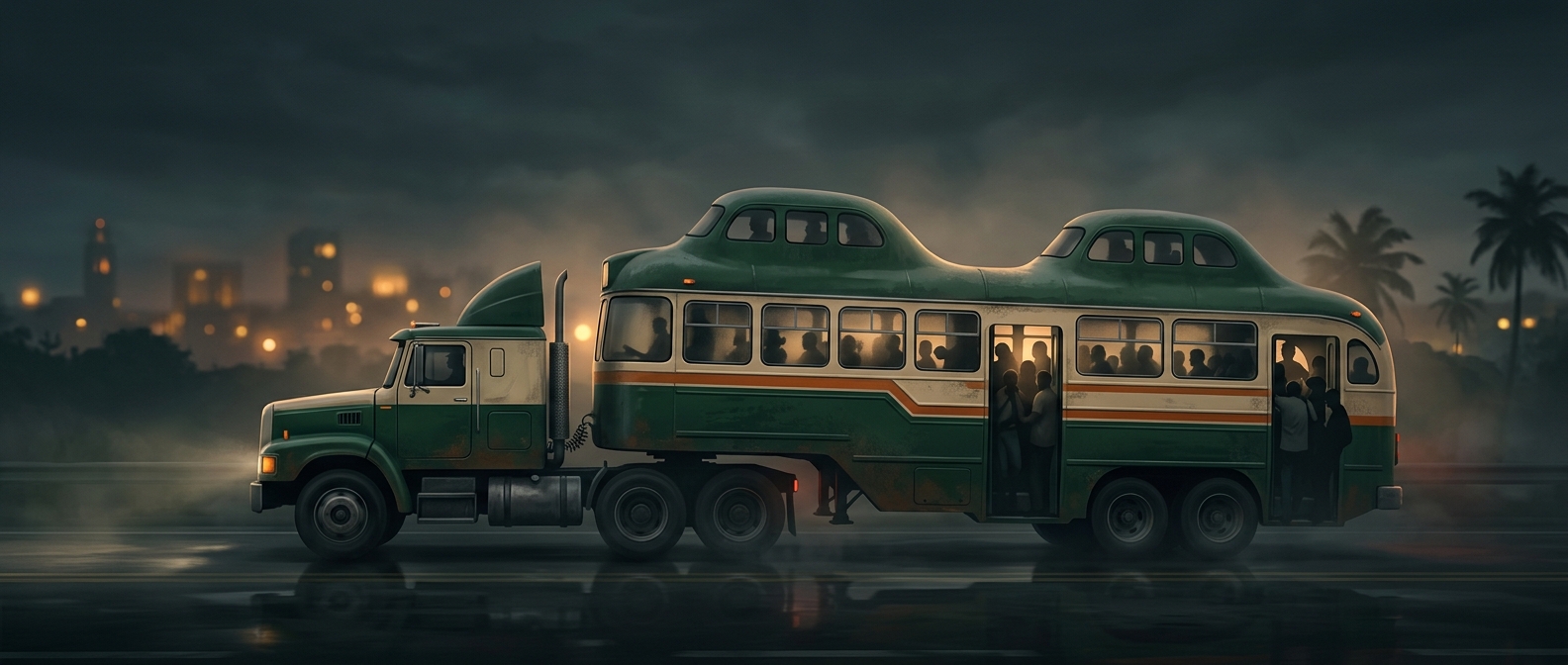
That makes the coach less like a vehicle making one uninterrupted dash and more like a small, moving passenger space organized around a chain of road segments and stops. Over four days, a modest delay at one point can affect later legs, while each stop is also part of how the journey remains usable for travelers. The striking measure is not just how far the bus goes, but how many hours the road network takes to make that distance possible.