How a Still Pose Became a Shareable Challenge
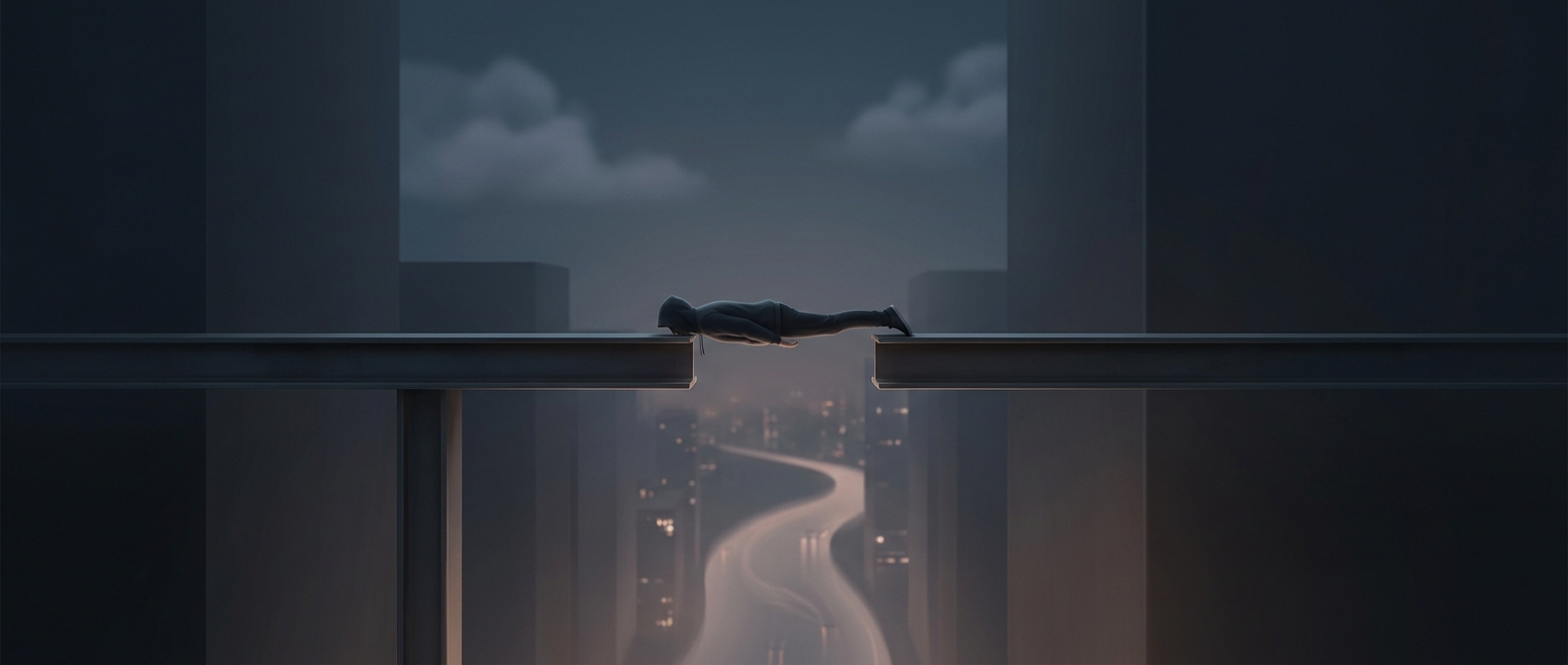
Planking was built for a camera: a person lies face-down and stiff, like a board, while someone photographs the scene. The pose itself is simple. The joke comes from placing this unnervingly motionless “human plank” somewhere unexpected, then letting the image do the explaining. A picture can be understood in a glance, so it travels easily across social networks without much context.
That format also encouraged imitation. Each new photo could follow the same basic rule while trying to outdo earlier settings. The more unusual the location, the more likely a post was to attract attention and be copied. What began as a low-effort visual gag could therefore become a competition in spectacle—even though the pose had no built-in way to distinguish a clever backdrop from a hazardous one.
When the Backdrop Became the Risk
High-voltage equipment is not an ordinary prop. Electricity can be dangerous without a person deliberately touching a wire: getting too close to energized equipment may expose someone to an electrical arc, in which current jumps through the air. Metal structures and surrounding hardware can also be hazardous, and a photograph may hide the distances and conditions that matter.
The camera-centered nature of the trend made that risk easy to misjudge. A participant focused on holding still and getting an impressive image might treat the setting as scenery, while viewers see only a finished photograph—not the danger involved in making it. The escalation came from turning location into the punch line: once novelty became the measure of a successful post, ordinary caution could look like a limit to surpass. A pose that takes seconds can leave no room to recover from a dangerous choice of backdrop.