A home-video performance with a second act
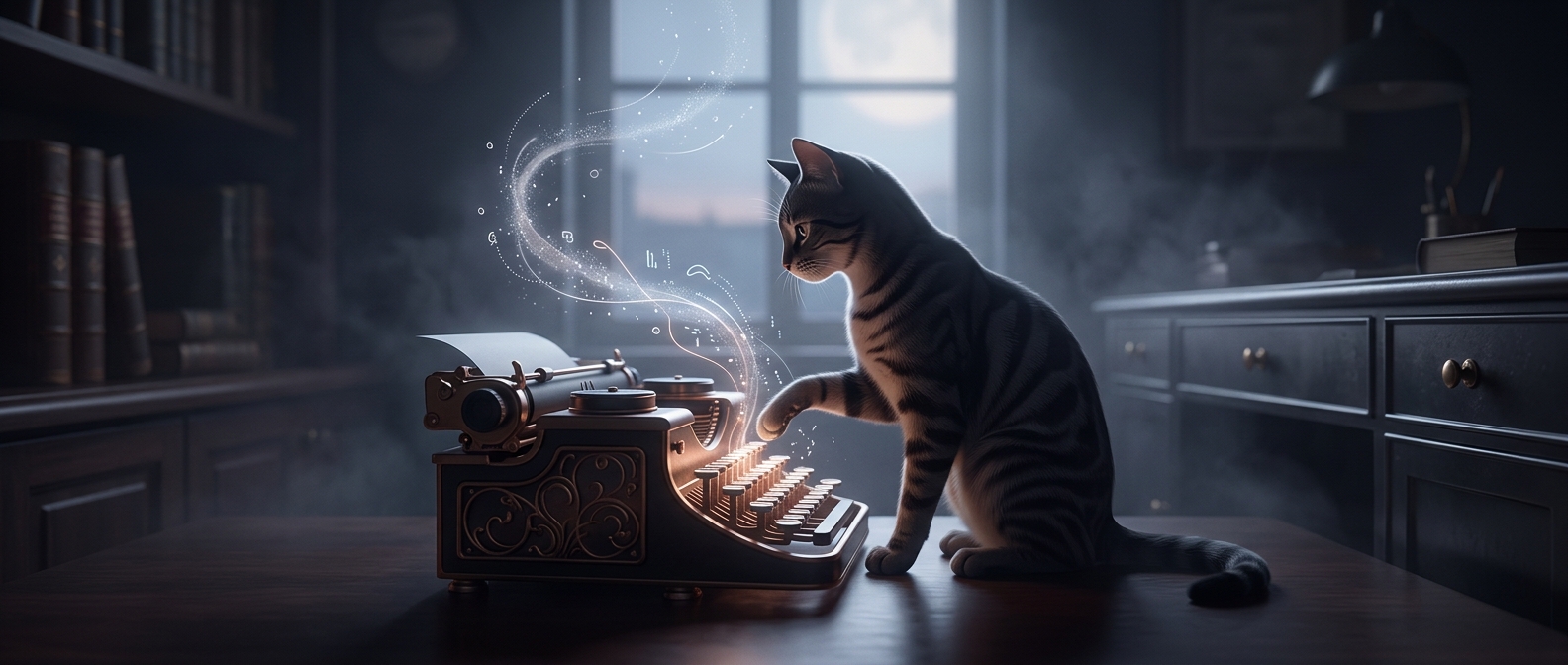
Charlie Schmidt filmed his cat Fatso at an electronic keyboard in 1984. Fatso wears a blue shirt, and the camera lingers on the apparent performance: paws moving over the keys as music plays. The humor comes from the gap between the cat’s serious, musician-like pose and the plainly staged spectacle. The VHS image gives it the feel of an eccentric moment someone happened to preserve, not a sketch made for an audience.
How the clip became a punch line
When the footage circulated online years later, it found a role beyond showing off Fatso. Users began appending the cat to videos of mishaps or embarrassing moments, making it seem as though Keyboard Cat were playing the person offstage. The format was simple and easy to understand: the mishap happens, the cat appears, and the music signals that the scene is over.
That reuse was the key to the clip’s reach. Viewers did not need to know Fatso’s story or see the full original video; a few seconds of the keyboard performance could work like a visual punch line. The same footage could be attached to countless unrelated clips, each time delivering the same teasing sign-off.
An accidental archive becomes shared shorthand
The video’s journey shows how internet fame can come from a change in context, not a change to the footage itself. A private home-video performance became a public reaction image because its central gag was immediately legible and its ending could be reused. Fatso’s VHS-era appearance remained intact, even as the clip acquired a new meaning online: when Keyboard Cat showed up, the joke was that someone had been played off.