A mouth is an ecosystem, not a disinfectant
Dogs and people both carry thriving communities of microbes in their mouths. Saliva can wash food particles away and contains substances that hinder some microbes, but it does not sterilize the mouth. Teeth, gums, and the tongue offer sheltered surfaces where bacteria can settle, feed, and multiply.
Different mouths favor different microbes
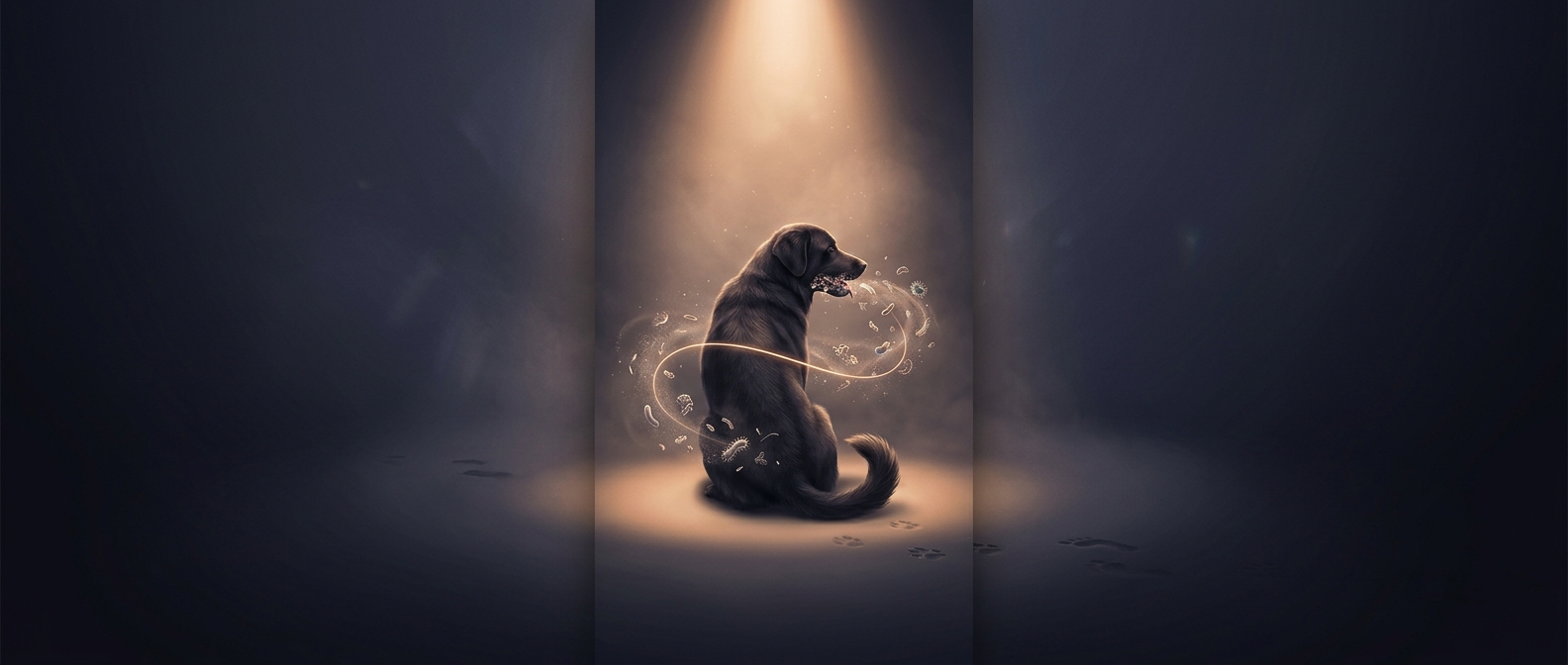
A dog’s mouth is not simply a human mouth with a different smell. The two species have distinct oral environments: differences in anatomy, diet, habits, and oral chemistry help determine which microbes flourish. So a dog’s saliva is not a cleaner version of ours; it contains a different microbial community, with its own mix of harmless and potentially harmful organisms.
That distinction matters because “different” does not mean “safe” or “germ-free.” A microbe that normally lives without causing trouble in one animal may pose a risk in another, especially if it reaches a bite wound or broken skin. The practical point is not that every lick is dangerous, but that dog saliva should not be treated like a disinfectant—or used to clean a human wound.