The reveal depends on what happens before the cameras roll
A paternity-show confrontation is built around a moment of uncertainty: someone is about to hear information that may reshape a family relationship. If the guests meet beforehand, they can argue, compare stories, or reach an understanding before that moment is filmed. Keeping them apart helps preserve the reveal as the first on-camera encounter, rather than a recap of a dispute that has already played out backstage.
Separation preserves the production’s central scene
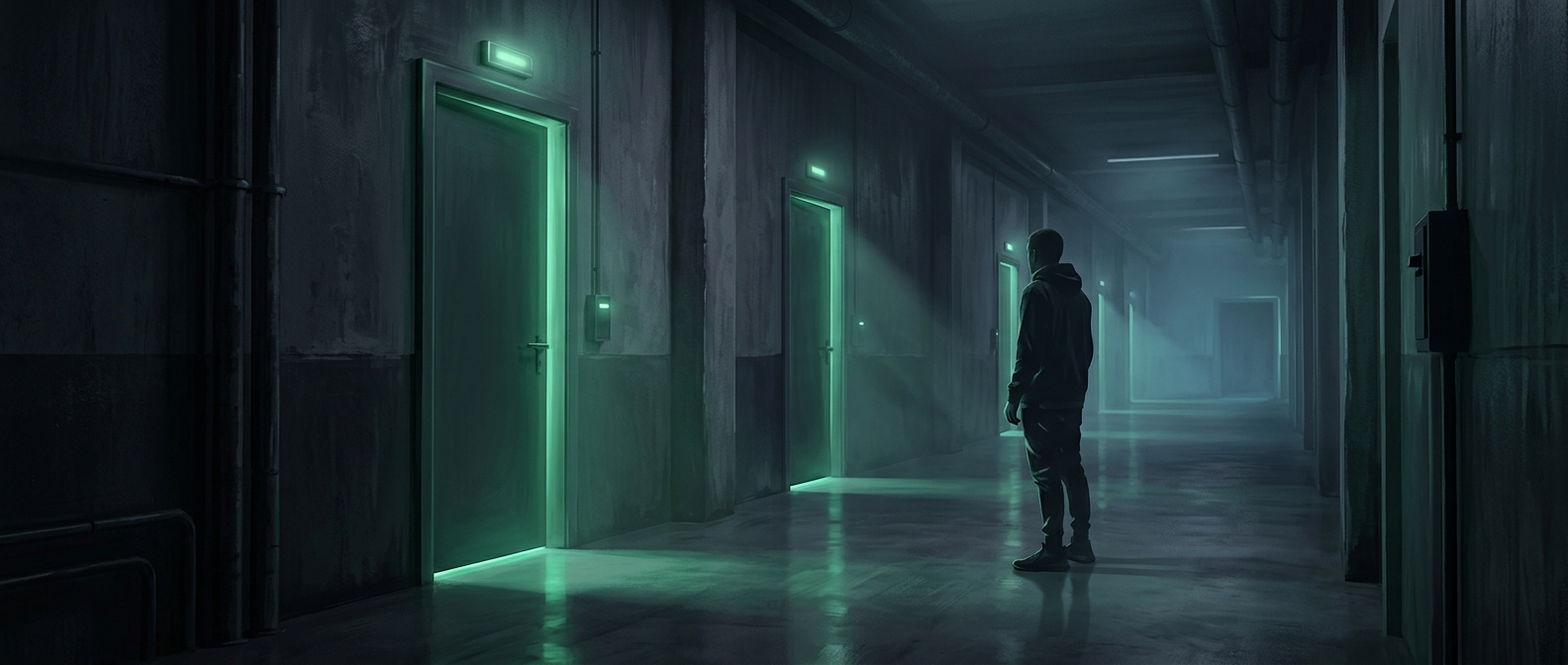
The room setup is part of how the segment is made, not just a way to keep the guests out of sight. Heavy doors and windowless rooms limit opportunities to see or hear one another, reducing the chance that a reaction—or the information prompting it—gets exchanged early. That allows the show to control when the guests come together and what viewers see unfold.
This also narrows what the audience can know in advance. A guest who has not already confronted the other person may respond more spontaneously when the reveal happens. The arrangement cannot guarantee a particular reaction, but it helps keep the encounter from being settled before filming.
The cost of a controlled reveal
The same setup that protects the scene’s timing also makes the confrontation more deliberate: guests are brought together at a moment chosen by production, while their disagreements remain unresolved. The dramatic payoff comes from that carefully preserved uncertainty—not simply from the result, but from watching the people involved learn it in front of each other.