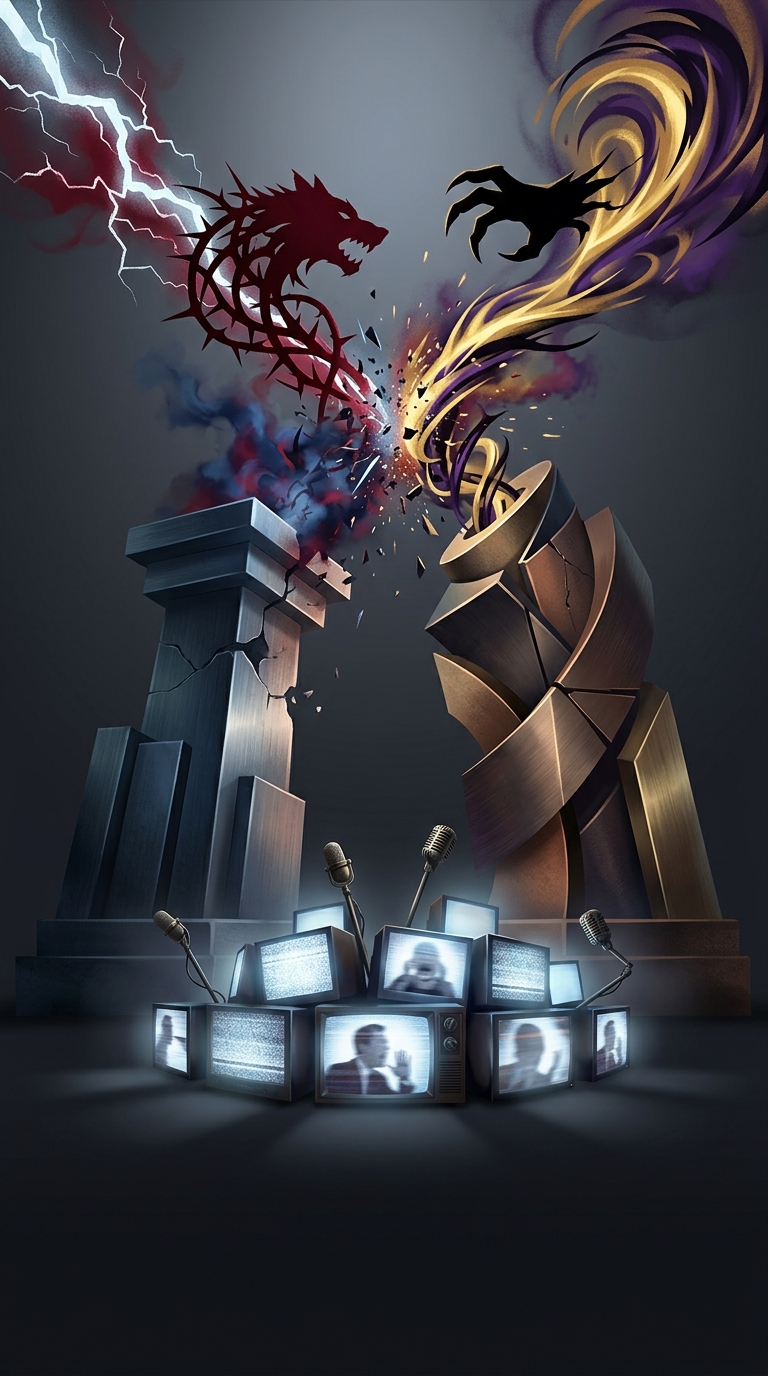
The TV experiment that turned convention coverage into combat
In 1968, the major television networks faced a problem: political conventions could be long, repetitive broadcasts, and viewers were not tuning in as hoped. The networks tried a different kind of coverage, bringing conservative writer William F. Buckley Jr. and liberal novelist Gore Vidal together for live exchanges during the Republican and Democratic conventions. The pairing promised more than analysis. It put two sharply opposed public figures in the same frame and left room for conflict to unfold in real time.
Why the format produced something different
A conventional debate gives participants a motion, a moderator, and rules that limit interruptions and personal attacks. Buckley and Vidal were commentators, not candidates debating a policy platform. Their job was to react to the convention and to each other, so the exchange could drift from political argument into judgments about character, loyalty, and legitimacy.
Live television intensified that shift. There was no edit to remove a provocation or soften a response, and each man had to answer while cameras were still rolling. An insult could become the subject of the next exchange; a quick retort could matter as much to viewers as any point about the convention. The network’s ratings gambit therefore created a less predictable kind of political television than a scripted report or orderly debate.
When rhetoric crossed a line
The confrontations became especially notorious when Vidal called Buckley a “crypto-Nazi” and Buckley replied with a homophobic slur and a threat to strike him. The episode showed how quickly a televised argument could move from ideological disagreement to personal intimidation—and how the camera could make that escalation part of the event rather than a private outburst.
The lasting lesson was not simply that sharp debate attracts attention. It was that live political commentary can reward the moment of escalation: the audience sees the argument happen, while the people on screen must decide, instantly, whether to answer, retreat, or risk making the confrontation worse.