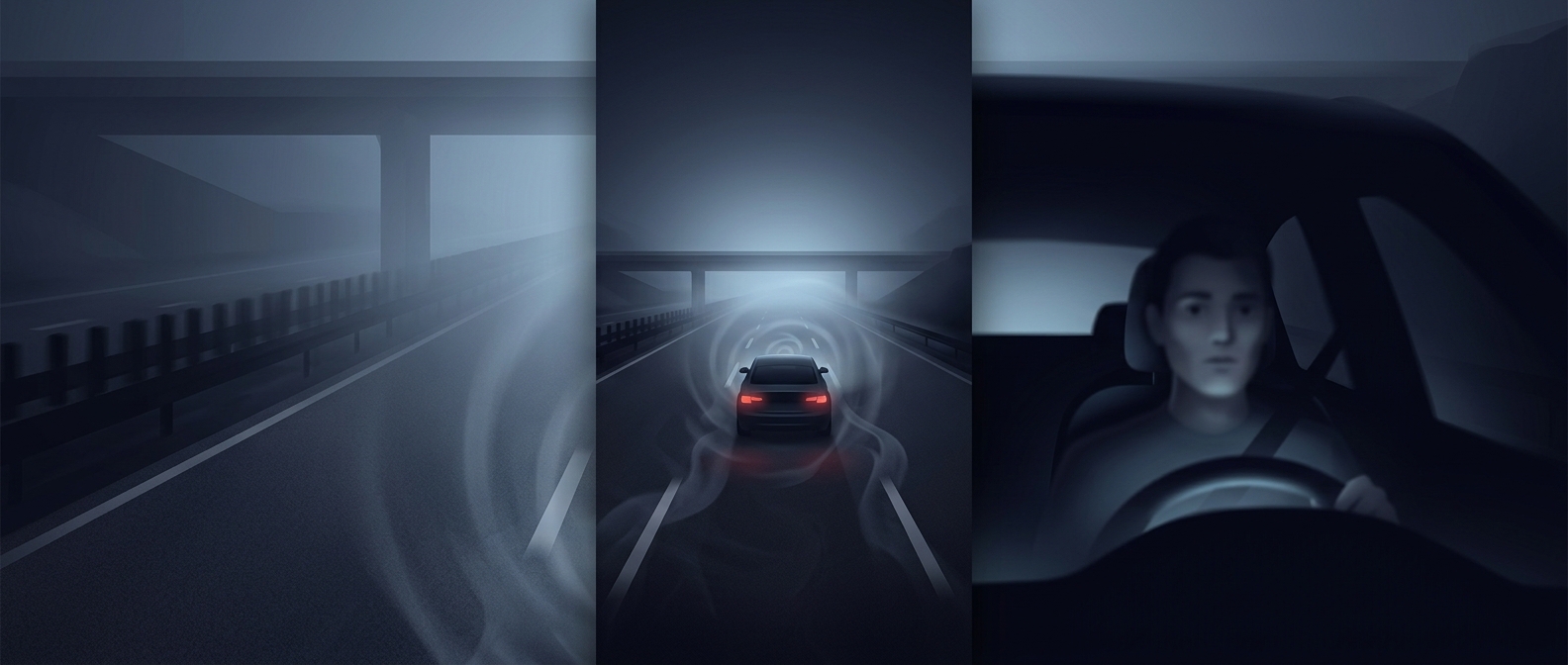
The commute used to mark the boundary between work and home
The missing habit is the daily commute. Its psychological role was not only getting from one place to another: the trip created a predictable interval between work and home. On the way in, people could shift attention toward the day ahead; on the way back, the journey offered time to let work recede before arriving at home.
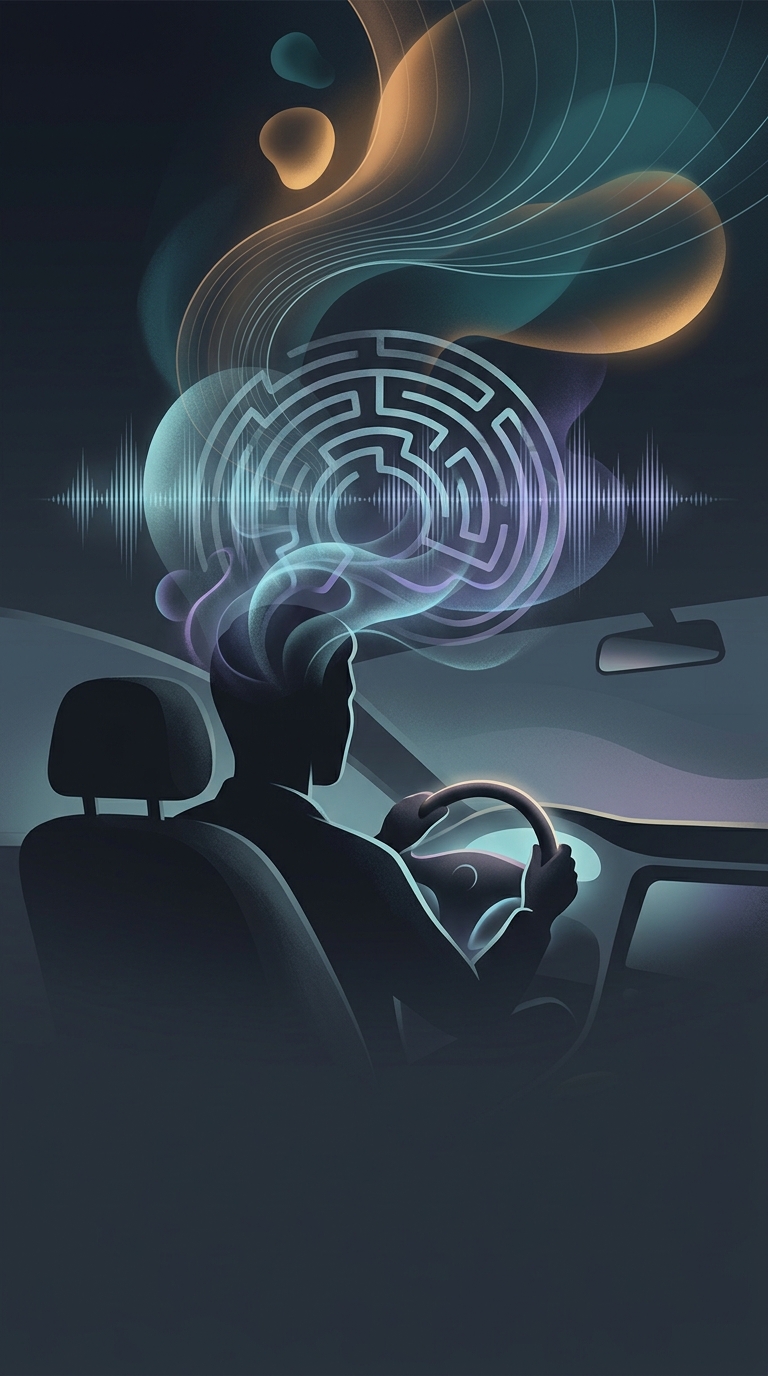
When the trip disappears, those transitions can collapse into a few steps—or a click—from one role to the next. A person may close a work laptop and immediately face household tasks, or keep checking messages because there is no clear moment when the workday feels finished. The problem is not that commuting is inherently relaxing; crowded, stressful travel can make it worse. It is that a routine commute often supplied structure and separation without requiring people to plan them.
Replacing the journey means rebuilding its function
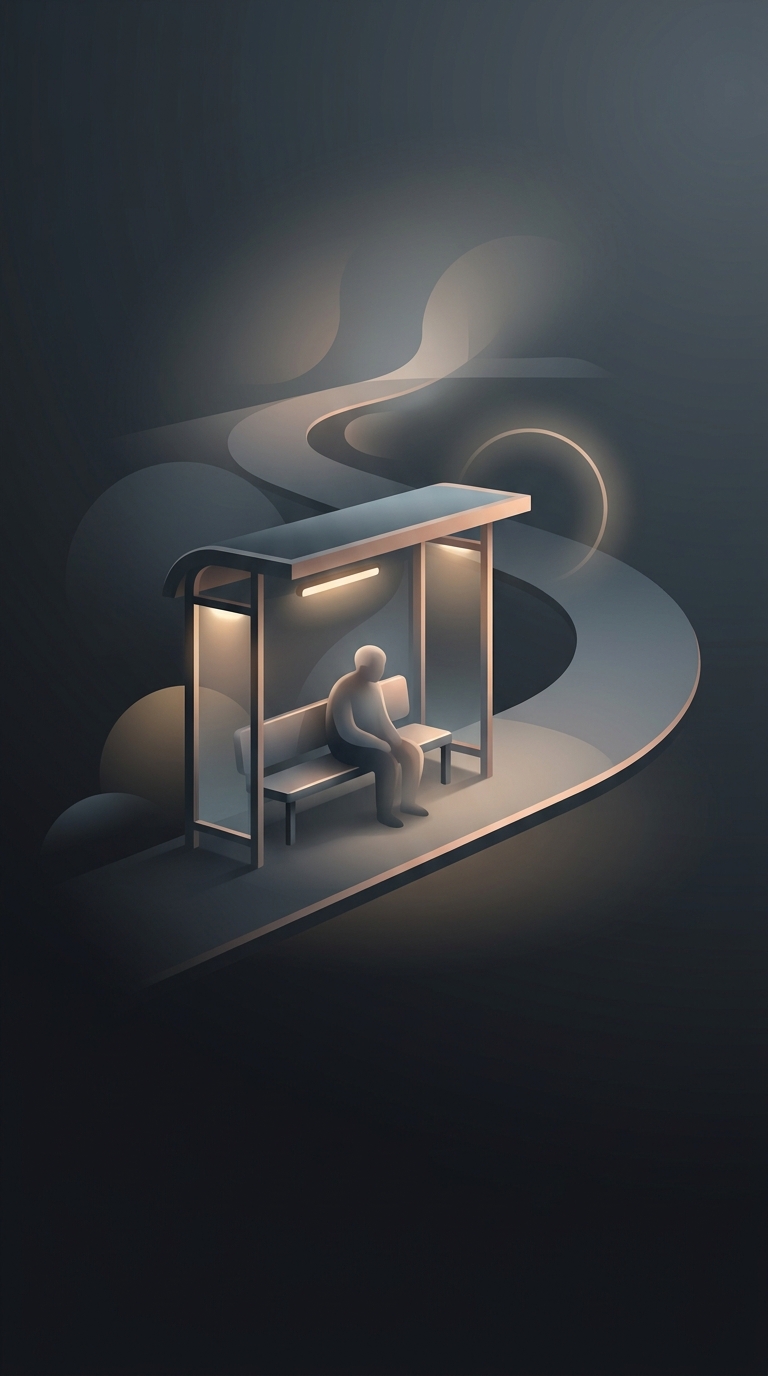
Remote workers can create a substitute boundary with a short walk, a regular start-and-stop ritual, or a change of room. These habits do not reproduce every part of commuting, including the incidental contact that can come with shared travel, but they can restore a pause between work and the rest of life.
The useful part of the commute was often the transition it enforced. Without that journey, the boundary has to be made deliberately.