Why Stop-and-Go Traffic Keeps the Body on Alert
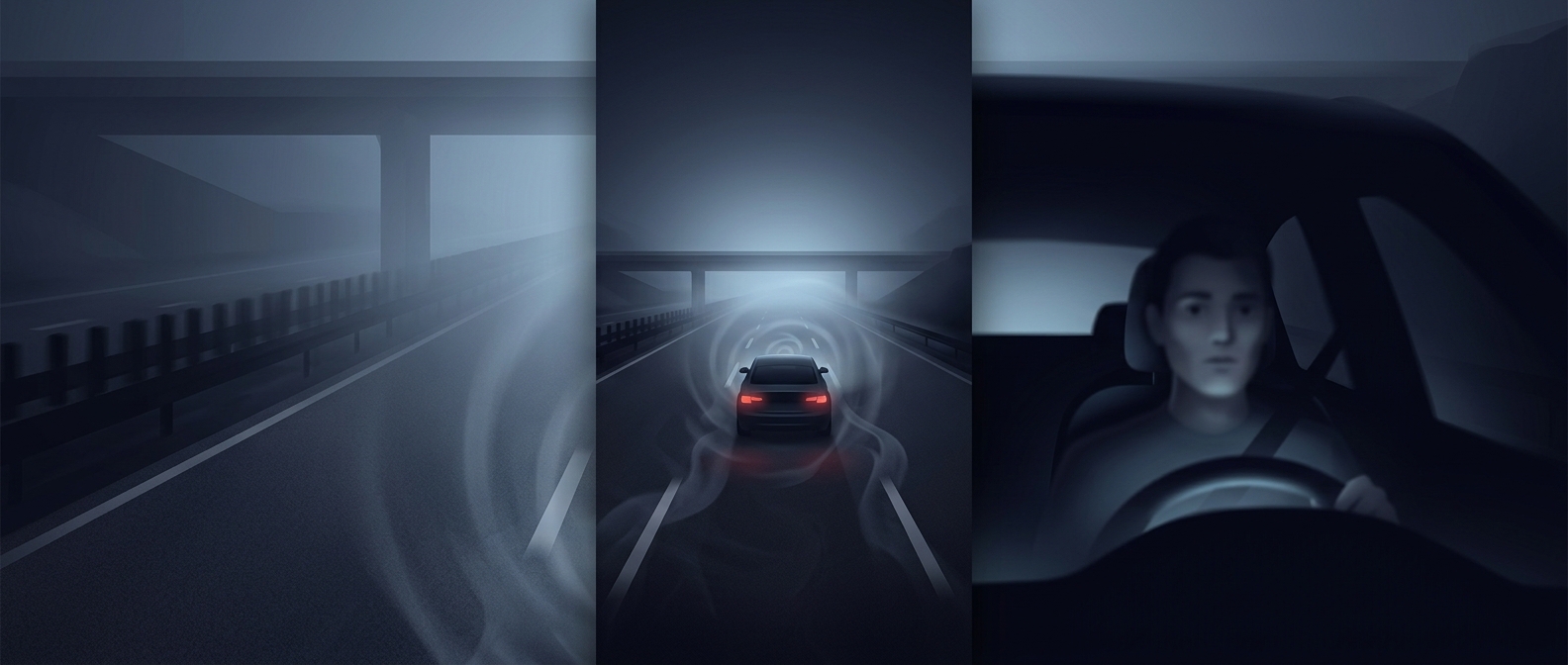
A traffic jam is not simply time spent sitting still. The driver has to keep watching for small changes—a brake light, a gap opening, a pedestrian or a car edging into the lane—and be ready to respond. That repeated cycle of monitoring and reacting keeps the body prepared for action even when the car barely moves.
The brain’s stress response can raise heart rate and blood pressure and release cortisol, a hormone involved in managing stress. These changes are useful when a person needs to act quickly. In slow traffic, though, the perceived demand continues while there may be little chance to do anything that makes the delay end sooner.
The strain of effort without control
That mismatch matters. Driving requires attention, but the driver cannot choose when the queue advances, clear an intersection, or reliably predict how long the trip will take. Each brief movement can raise expectations of progress, only for the line to stop again. The result is sustained vigilance with few satisfying actions or natural pauses.
A demanding task at work can also trigger a stress response, but it may offer moments of control: finishing a meeting, making a decision, or stepping away. In a jam, the driver must keep attending to the road and cannot simply leave the situation. The stress comes not only from the delay, but from having to stay ready while having little influence over it. That is why an apparently passive commute can be physically taxing, even though the driver spends most of it seated.