Familiar roads shift driving onto autopilot
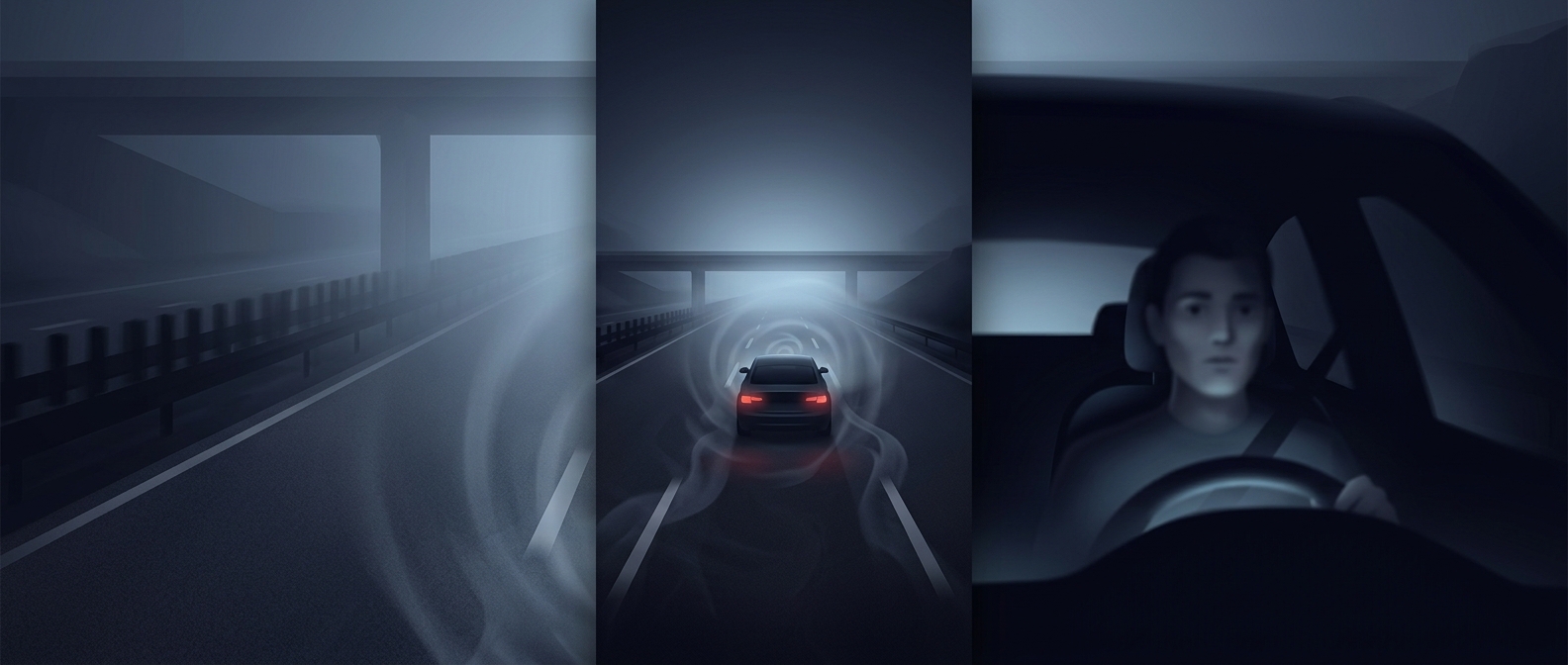
After enough trips along the same streets, many driving actions become automatic: steering through a bend, checking a familiar intersection, or slowing at a regular stop. The brain can carry out these well-practiced routines with less deliberate attention than it needed when the route was new. That leaves more attention available for other thoughts—but it also means fewer distinct moments stand out to remember later.
Memory is not a continuous recording of every second. To form a detailed memory, the brain has to pay attention to events and link them into a sequence. On a familiar drive, repeated scenery offers few surprises to mark one stretch from the next. If attention is occupied by planning dinner or replaying a conversation, the trip may leave only a general impression: you drove there, rather than a clear recollection of each mile.
The route can still bring memories back
A sparse memory does not mean the driver was unconscious or that nothing was processed. Familiar routines can guide behavior without producing a vivid, moment-by-moment account afterward. A distinctive event—a sudden detour, a near miss, or an unusual landmark—can break the pattern and make that part of the journey easier to recall.
That distinction matters on the road. Automatic skill helps people manage routine tasks, but it is not a substitute for attention when conditions change. A construction zone or an unexpected pedestrian demands deliberate focus precisely because it interrupts the familiar sequence. The miles that blur together are usually the predictable ones; the unexpected turn is the one most likely to stay in memory.