Why a Car Alarm Loses Its Audience
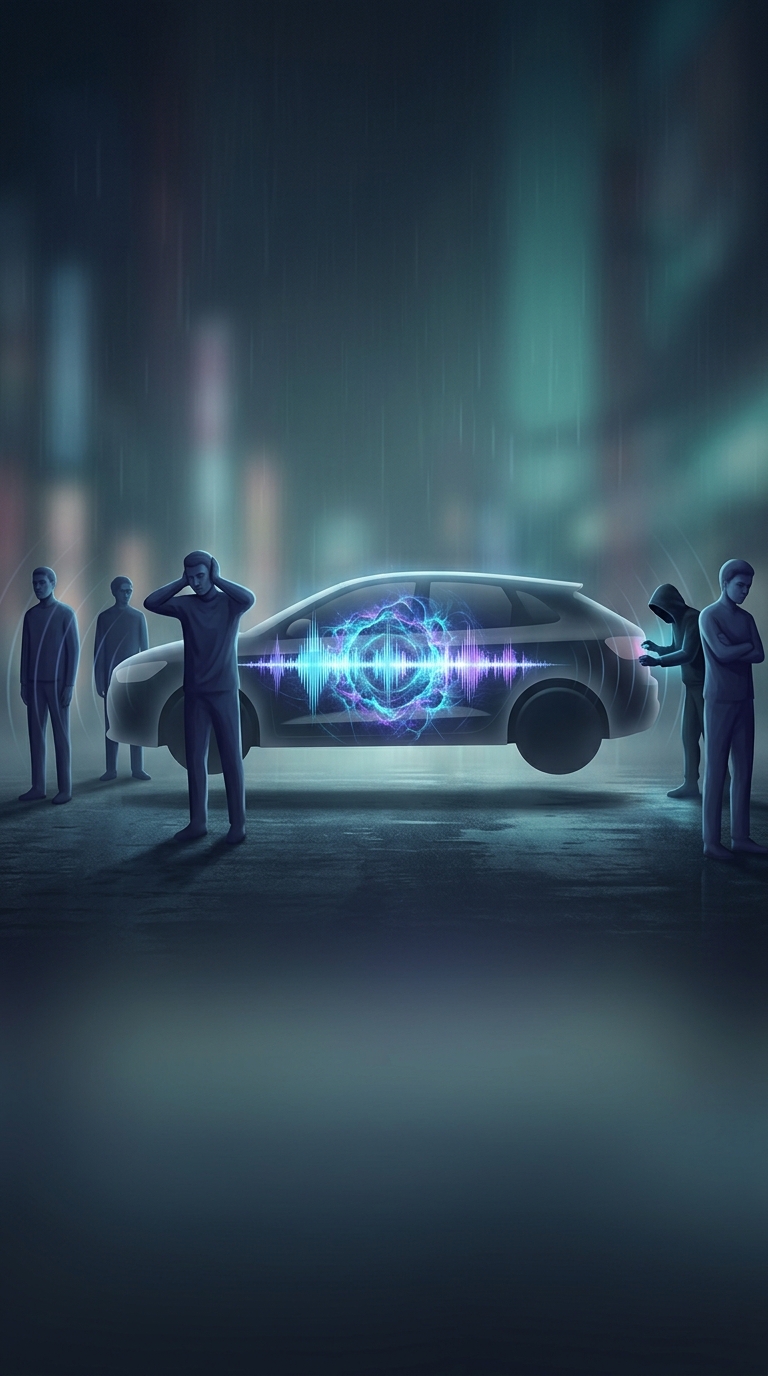
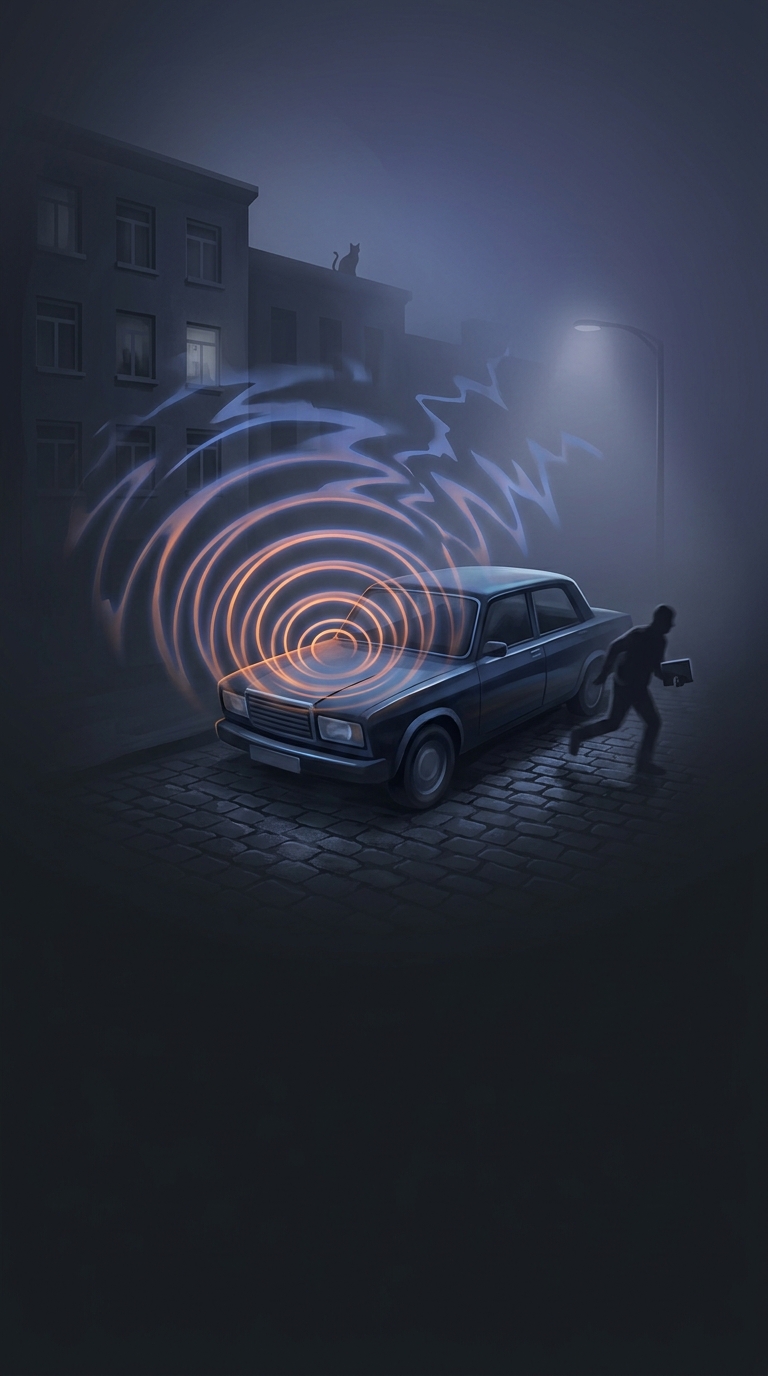
A typical car alarm reacts to a possible disturbance—such as a jolt, a door opening, or an attempt to start the vehicle—by sounding the horn or a siren. But the noise tells bystanders very little. It does not identify what triggered it, show whether a theft is underway, or distinguish an attempted break-in from an accidental bump or a faulty sensor.
That ambiguity matters because a passerby has to decide whether to stop, investigate, or call for help. Getting involved can feel risky, while a brief alarm may stop on its own. When alarms repeatedly sound without any visible emergency, doing nothing becomes the sensible default.
False Alerts Undercut the Warning
This is a problem of signal reliability: a warning is useful only if people have reason to believe it points to a real threat. Frequent false alarms teach a neighborhood that the sound is weak evidence of trouble. The next alarm may be genuine, but it arrives with the same uninformative noise—and the same learned expectation that it will probably pass.
An alarm can still startle someone attempting a theft or draw attention when a nearby person recognizes a real break-in. But as a stand-alone deterrent, it depends on strangers responding to a signal that often gives them no clear reason to act. In a street where alarms are common, the sound meant to summon help can become background noise, leaving a real attempt at the car no more legible than another nuisance burst.