When Two Hours Is the Whole Game
A refund timer is meant to give buyers a chance to try a game, not to measure its artistic value. But for a very short indie game, the distinction can disappear: a player may reach the ending before the refund window closes. If the game’s full experience fits inside that window, the buyer can finish it, decide they liked it, and still request their money back under the platform’s rules.
That creates an awkward mismatch. The platform measures eligibility in time played, while a small game may be designed around a complete story that takes less time than the cutoff. A sprawling game can offer hours of exploration before the same decision point; a compact one may deliver its main payoff first.
The Design Pressure Behind the Dilemma
Developers can respond by adding more playtime—extra levels, optional tasks, or slower pacing. But padding a story merely to push players past a timer can weaken the experience the creators wanted to make. A tightly written game may be short by design, not because it is unfinished.
That leaves creators balancing two kinds of trust: making the game’s length clear enough that buyers know what they are getting, while avoiding design changes made only to frustrate refunds. The policy protects customers who discover that a purchase is not for them; the same protection can be exploited when someone takes the entire experience and then returns it.
A Good Review, a Returned Purchase
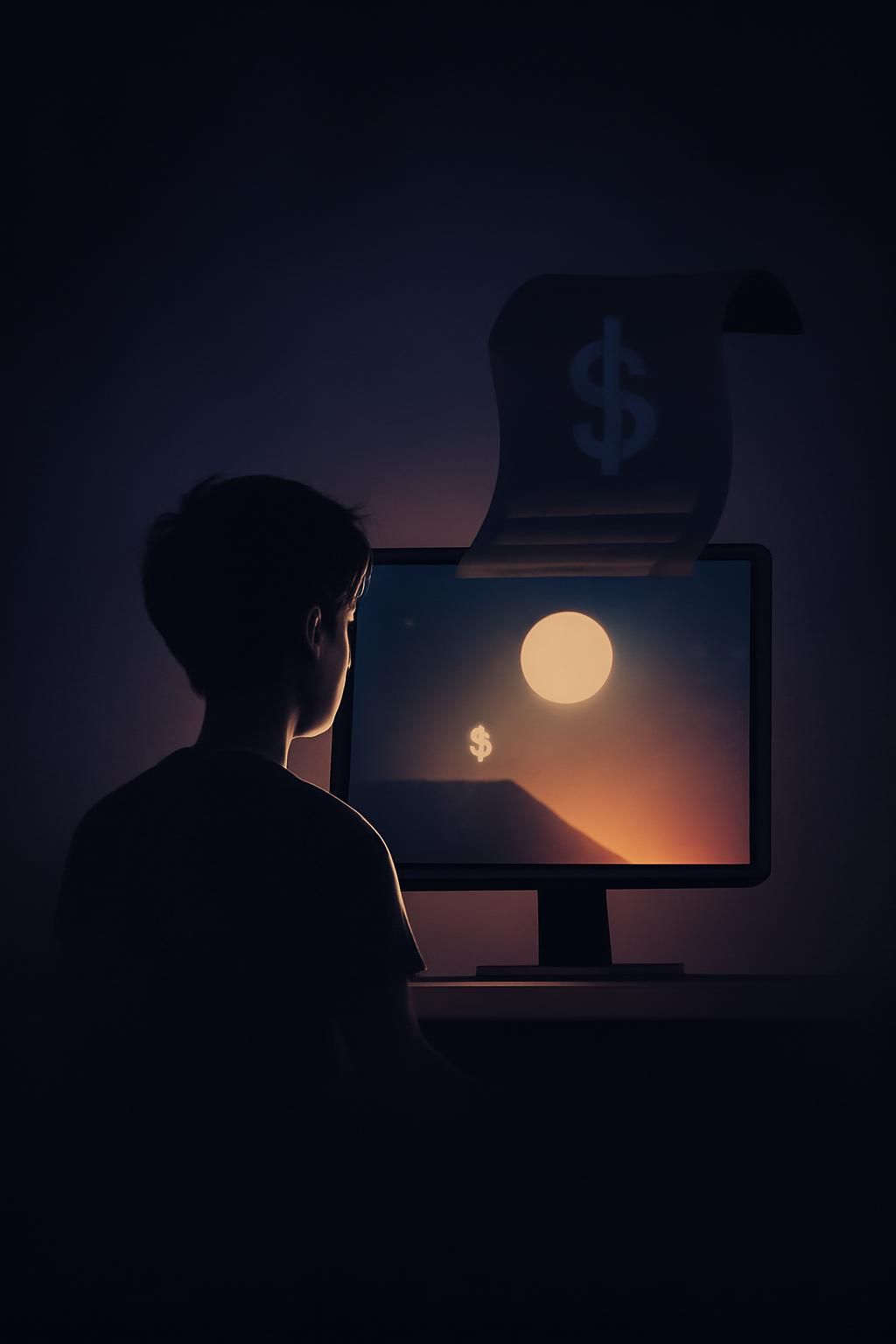
The most unsettling version is not a player who dislikes the game. It is someone who completes the story, leaves a positive comment, and refunds it anyway. The praise may be sincere, but it does not pay the developer. For a small studio, that means a game can earn public approval and still lose the sale—an especially sharp consequence when the work is short enough to finish before the clock runs out.