Why a niche game can reach the wrong audience
A storefront recommendation is not always a confident judgment about what one person will enjoy. Steam has several ways to surface games, including personalized recommendations and displays shaped by what is popular or newly visible across the store. Those paths can overlap: a game may appear because it resembles something a player likes, or because it is attracting attention more broadly.
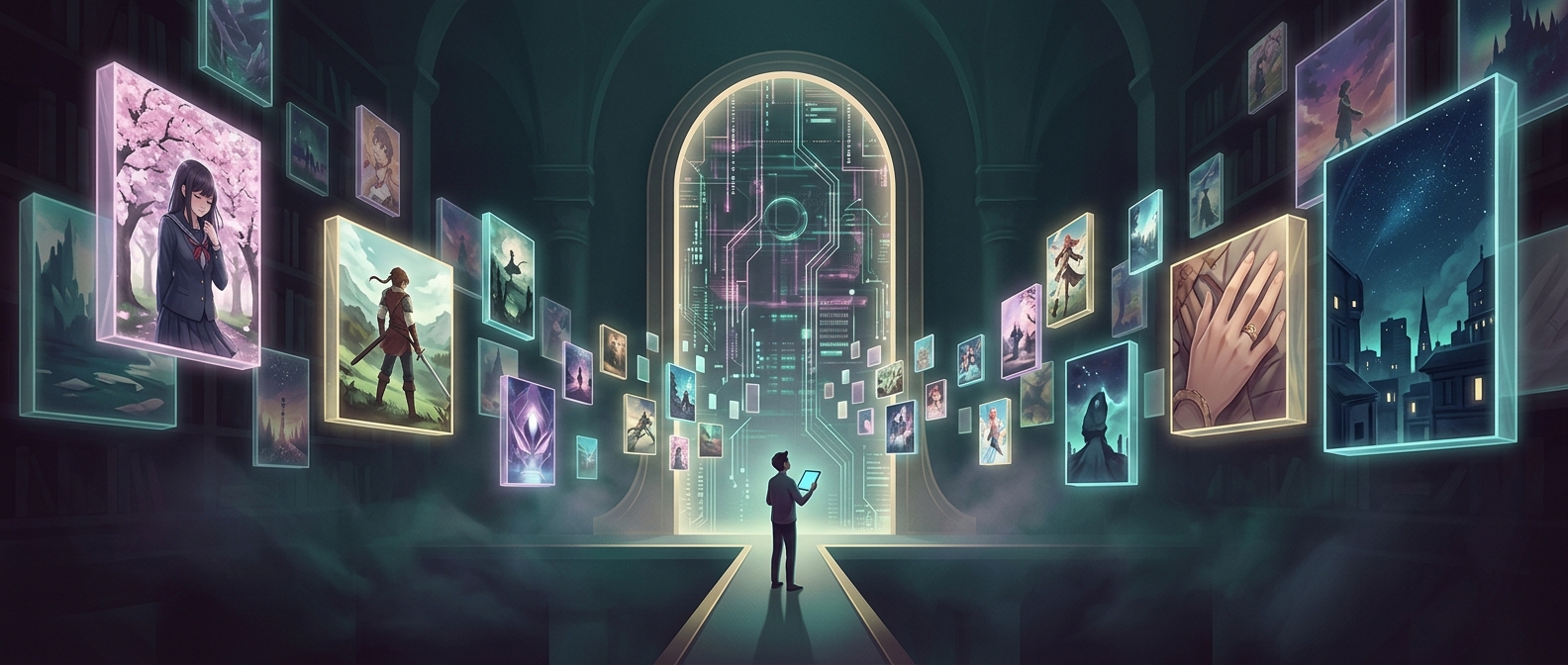
That distinction matters for small visual novels. Anime-style artwork and familiar tags can make a game legible to a wide range of shoppers, while a low price makes trying it feel like a small commitment. If interest rises quickly, broad popularity signals may help it travel beyond the audience most likely to seek it out. The exact weighting Steam gives each signal is not public, so a recommendation is not proof that the system has carefully matched the game to a player’s taste.
Visibility can reinforce itself
When a game gets more prominent placement, more people encounter it; some buy or play it, creating further attention. This feedback loop can help an inexpensive niche release find an audience, but it can also make a trend look more universal than it is. A player who mostly chooses military shooters may still see a pigeon-dating story—not necessarily because Steam has concluded that pigeons are their next favorite genre, but because the store’s broad discovery machinery has brought a currently visible game into view.
The result is a storefront that can be both useful and odd: it introduces players to things they would never search for, while sometimes confusing momentum with personal fit.