The intro becomes a moving deadline
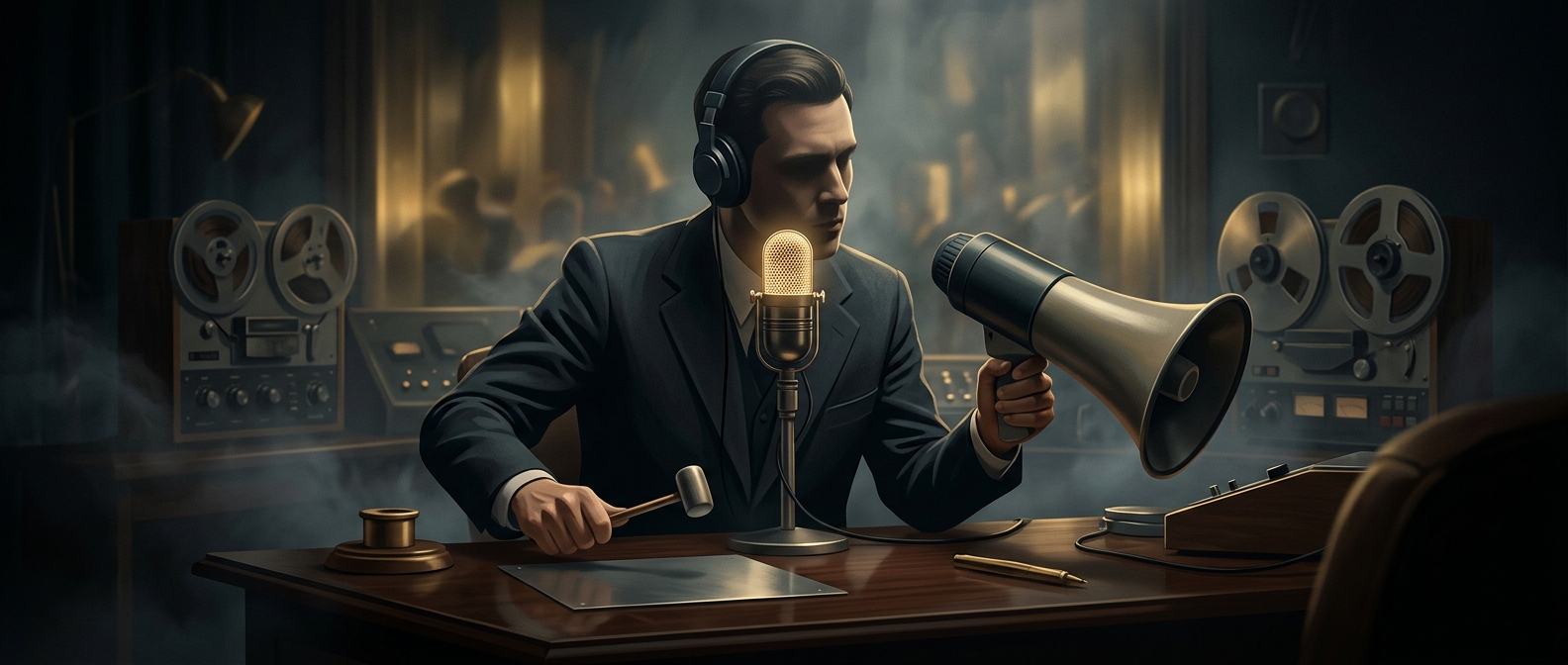
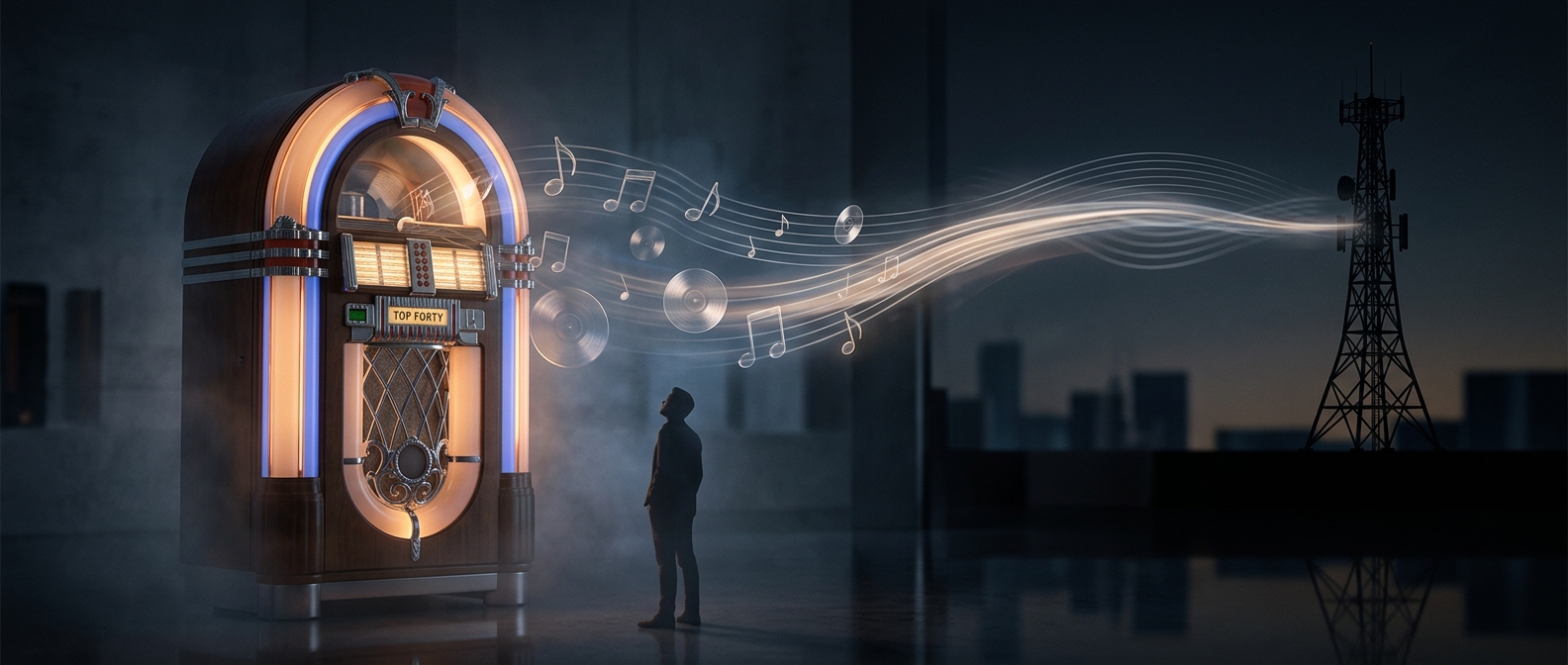
A song’s instrumental opening gives a radio host a window to speak, but that window closes at a precise musical moment: the first sung line. The host has to fit the final phrase into the space available without stepping on the vocal or leaving an awkward silence before it.
That timing is easier to manage when the intro has a clear structure. Instrumentals often repeat a beat or musical phrase, so a host can learn how many beats or bars—groups of beats—the opening lasts. Instead of guessing from the clock, the host listens for musical cues and builds a sense of how much time remains.
Writing for the last beat
The words themselves are part of the timing. A short, familiar phrase can be delivered quickly; a long name, complicated sentence, or string of details is harder to land cleanly. Hosts choose what to say and shape the sentence so its final word falls just before the singer enters. They also have to leave room to breathe and speak clearly, rather than racing through the line at the last second.
With practice, the host learns a track’s landmarks: a drum hit, a chord change, or the start of a repeating pattern. Those cues help turn an abstract deadline into a predictable sequence. If the intro is especially short, the safest choice may be fewer words; if it is longer, the host has more room, but still has to track the music.
Why the landing matters
A well-timed handoff makes speech and song feel like one continuous broadcast. The host’s voice gives way at the moment the singer takes over, with neither competing for attention. What sounds effortless on air is a small performance built from listening, planning, and adjusting each sentence to the music underneath it.