When the stunt comes before the story
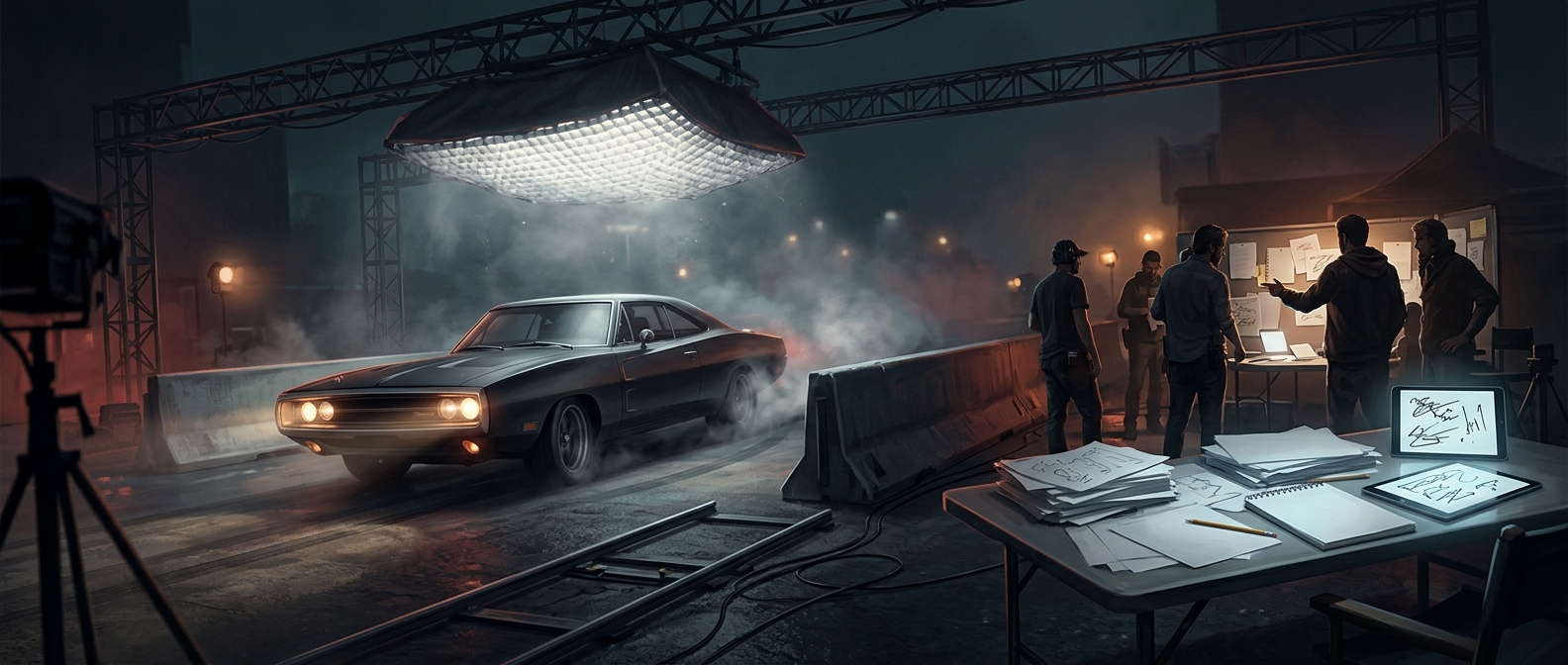
A major action sequence can be planned and filmed long before its place in the plot is settled. That reverses the usual screenwriting order: instead of a finished script dictating what the camera captures, the footage becomes a fixed piece of the production that later writing must accommodate.
The reason is the schedule. A film may have a public release date far in advance, while a complicated stunt needs its own planning, performers, vehicles, locations, and camera work. Those pieces have to come together when they are available. Waiting for every story decision to be final can mean losing the chance to shoot the sequence on time.
Writing around what the camera caught
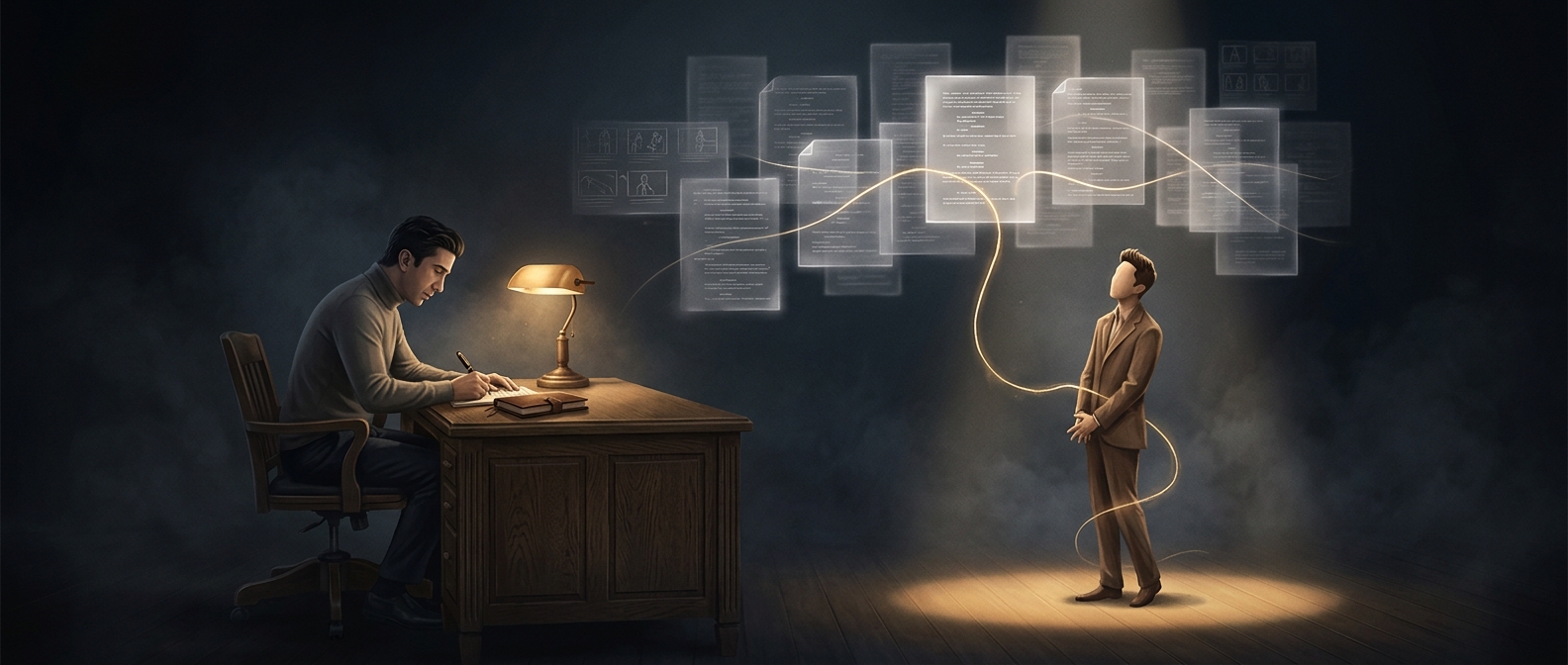
Once the footage exists, screenwriters can treat it as a constraint—and an opportunity. They must find a believable reason for the characters to be in that situation, decide what leads into the stunt, and work out what changes afterward. The sequence might become a turning point or the payoff to a conflict, but the story has to support what was actually filmed rather than an imagined version of it.
That can also shape the film’s structure. A stunt may need to be trimmed, rearranged, or connected to newly written scenes so the action feels motivated instead of pasted in. The practical result is a screenplay built partly in response to the physical evidence on screen: the cars, movement, and consequences the crew has already captured.