A lighthouse built for an exposed sea lane
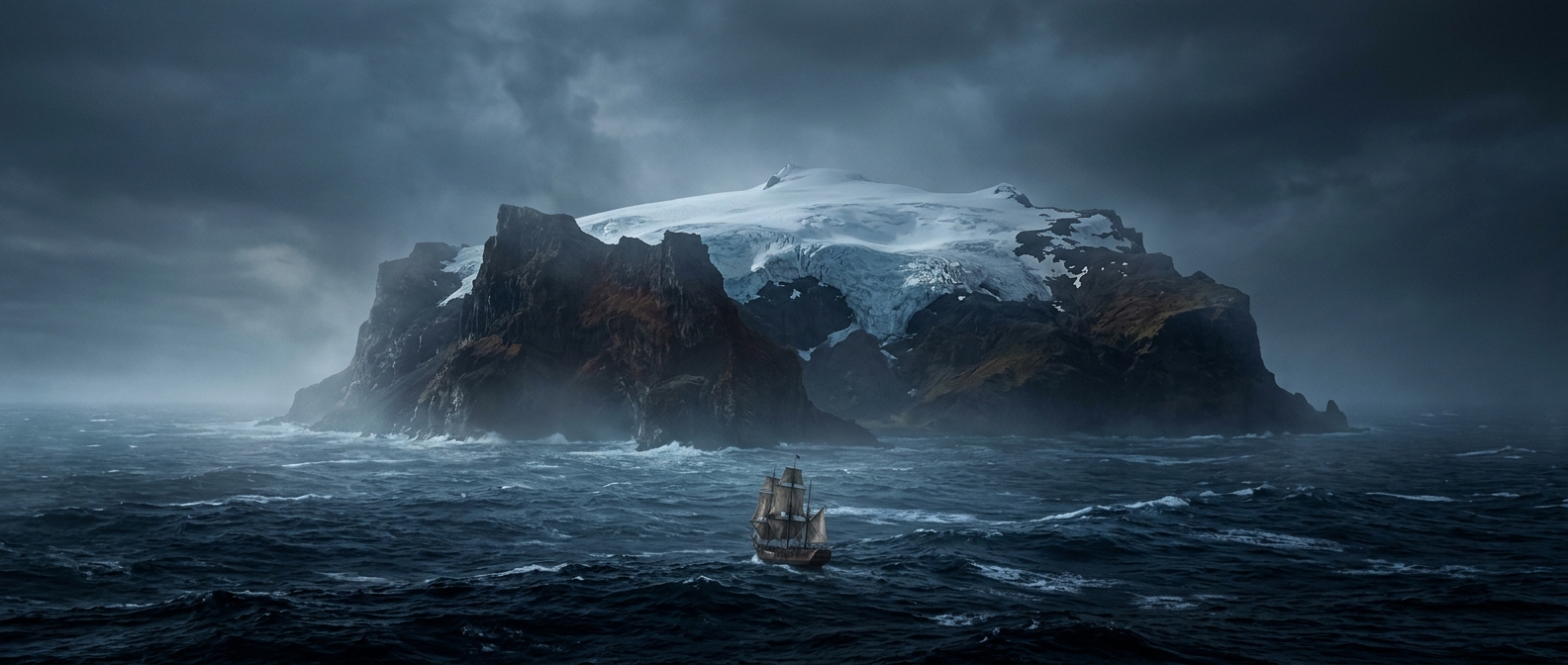
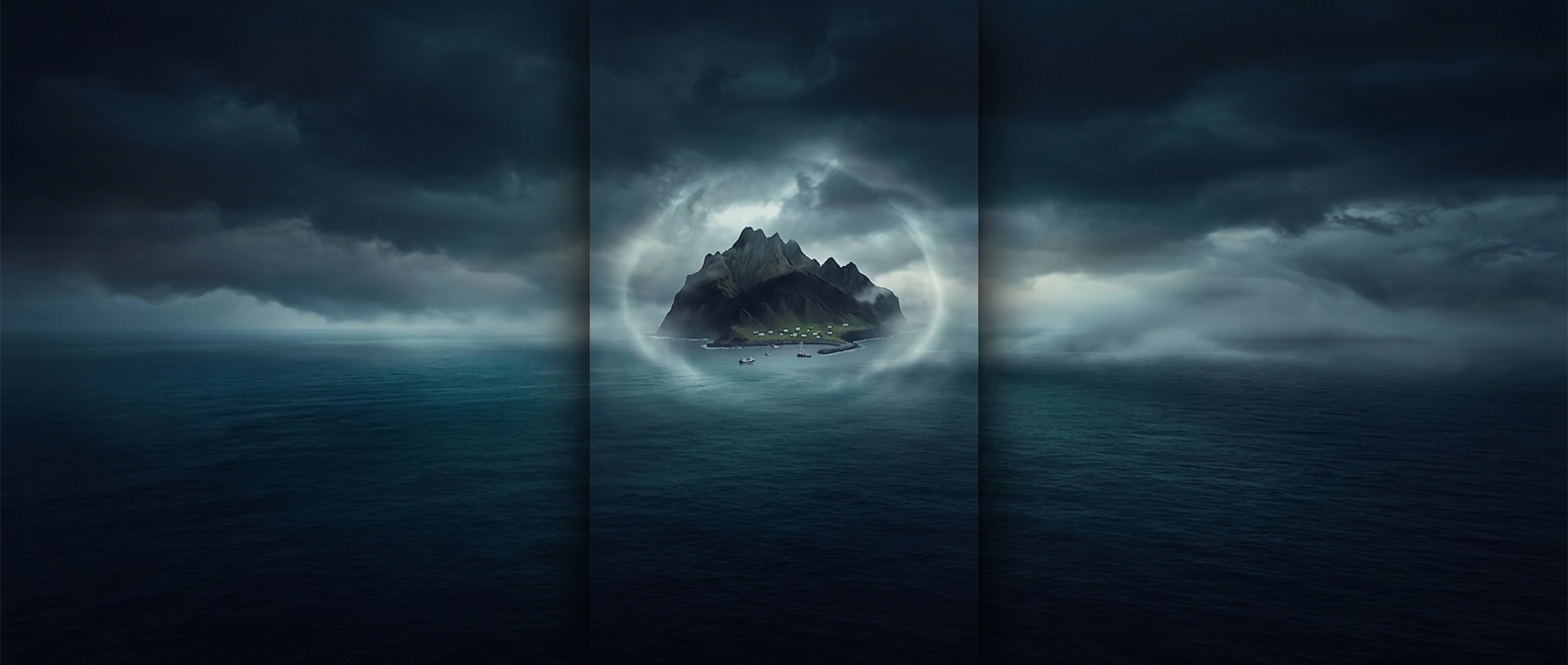
Bengtskär stands on a small skerry—a bare rocky island—off Finland’s southwest coast. Its height and isolation serve a practical purpose: a lighthouse must be visible from far enough away to help ships recognize danger before they reach it. In a storm, the same open position that makes the light useful also leaves the rock exposed to wind and waves.
That setting shapes the experience of staying there. Rather than retreating to a sheltered town when autumn weather turns rough, visitors spend the night inside the structure that has marked this hazardous stretch of the Baltic for generations.
Why the lighthouse became a wartime target
A conspicuous lighthouse can matter beyond navigation. From Bengtskär, observers could see activity across nearby waters, making control of the building strategically important during the Continuation War. In 1941, Soviet troops attacked it, and fighting reached close quarters. They tried to destroy the lighthouse with explosives but failed.
The granite structure was not simply a scenic tower: it was a substantial building on a rock with little cover. Its survival gives the place an unusual double identity—as a working aid to ships and a remnant of a battle fought over a tiny outpost.
A storm makes the setting tangible
On calmer days, isolation may feel like a view. In a gale, it becomes a physical fact: there is no nearby street or forest to soften the weather, only open water around the rock. Sleeping inside Bengtskär brings visitors close to that exposed setting while keeping them within the lighthouse’s thick stone walls. The memorable contrast is that a building designed to send a warning across the sea also offers shelter on one of the coast’s most exposed rocks.