Why Bouvet Island is so hard to reach
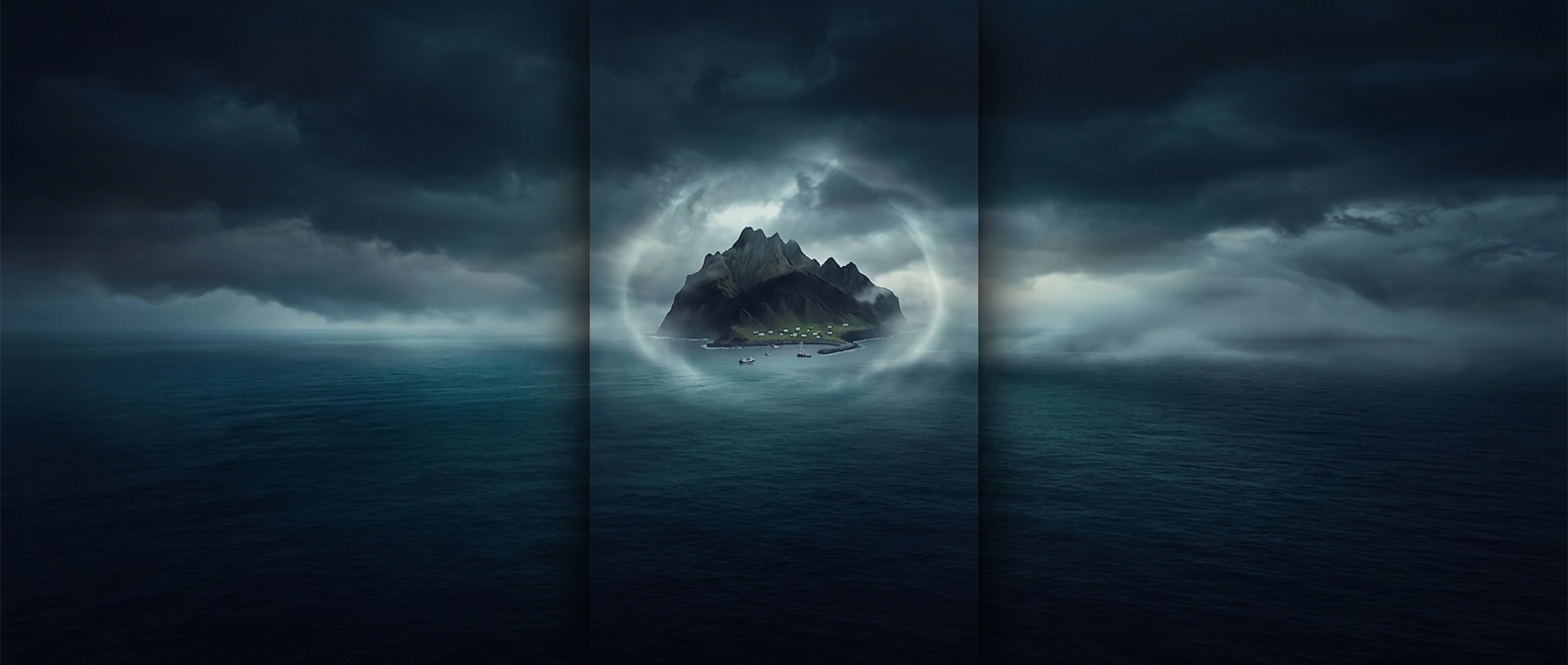
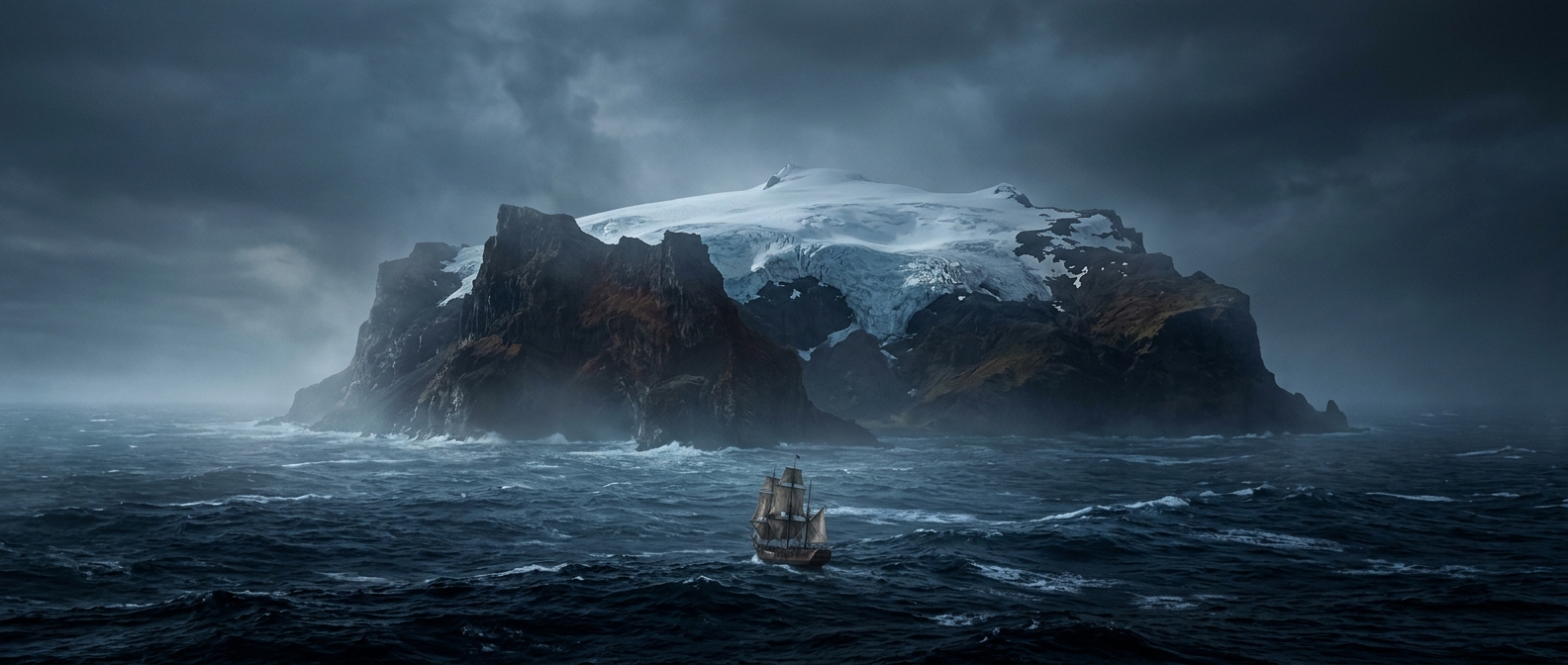
Bouvet Island lies far from major inhabited land in the South Atlantic, but distance alone does not explain its isolation. The small volcanic island rises steeply from the ocean, and much of its coast is made up of cliffs or ice. There is no harbor where a ship can simply pull alongside and unload people or supplies.
A landing depends on the sea, weather, and a few usable stretches of shore. Rough water and strong winds can make even those approaches unsafe. Visitors may have to transfer from a vessel by small boat and then use a helicopter to get inland. When conditions turn, the island can remain effectively out of reach.
Ice leaves little room for life or settlement
A volcano built Bouvet Island, but glaciers now cover most of its surface. The narrow areas not buried by ice offer little flat ground, and the harsh maritime climate makes permanent settlement impractical. Seals and seabirds can use the coast, while people generally arrive only for occasional expeditions or research.
That combination—remote ocean, difficult landings, and an ice-covered interior—shapes the island’s meaning more than its map coordinates do. Even a ship within sight of Bouvet may not be able to set foot on it; reaching land is a matter of finding a brief opening in both the weather and the coastline.