Why Australia is counted as a continent
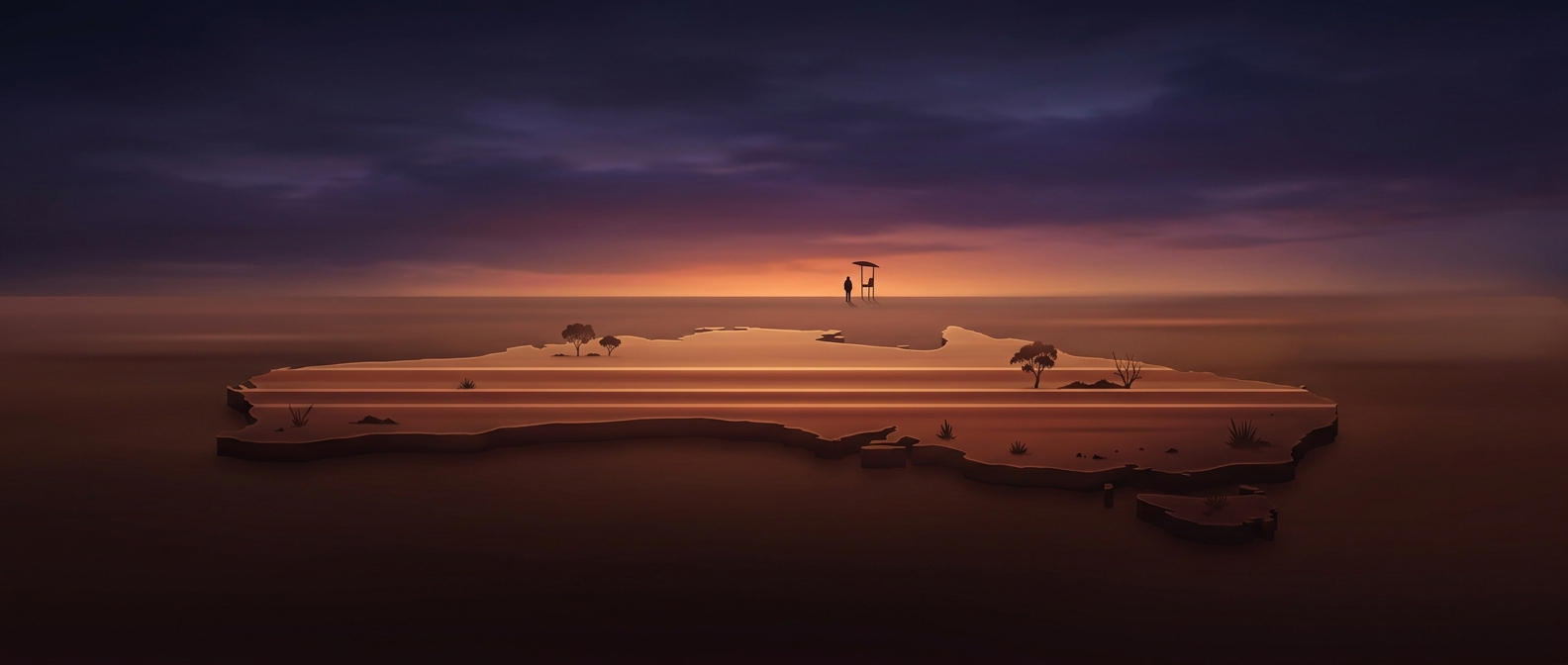
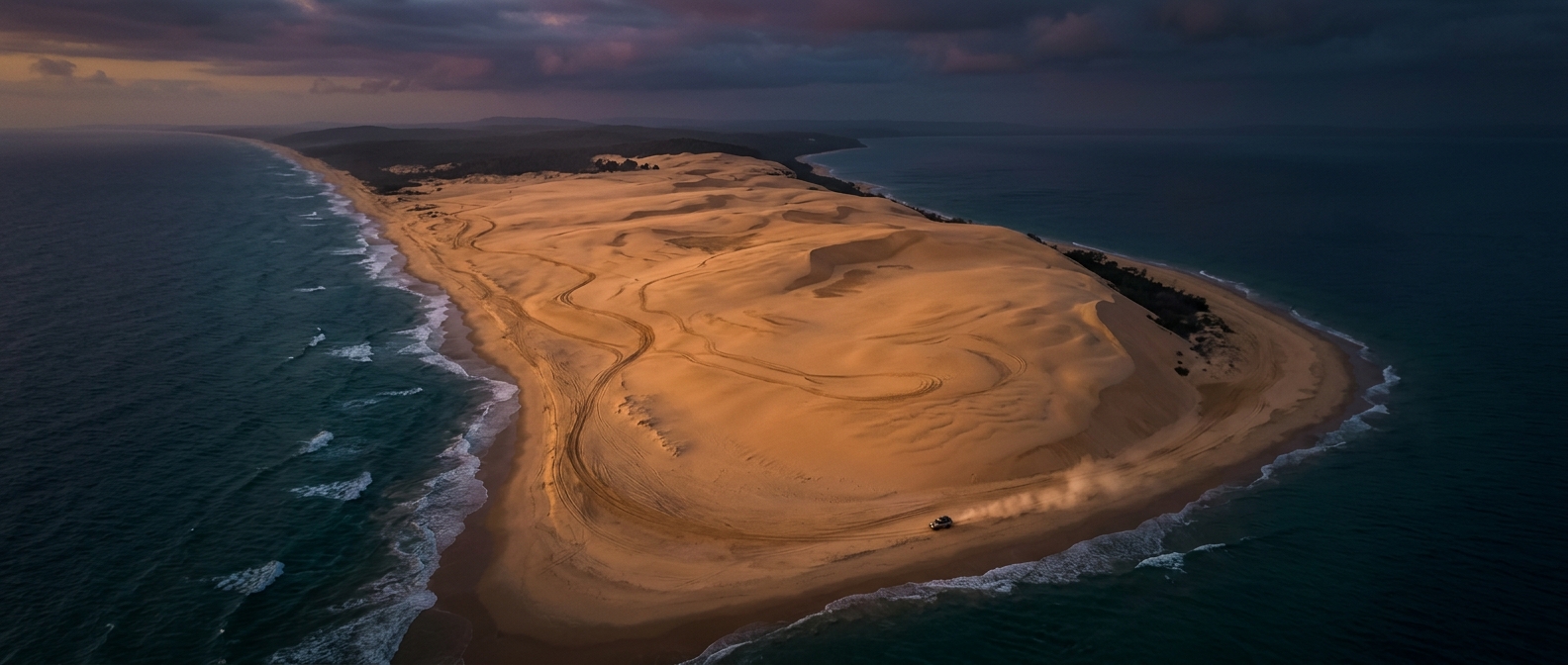
Australia is surrounded by water, so in the ordinary geographic sense it is an island. But “continent” is a classification, not simply a synonym for “large island.” There is no universal size line at which an island becomes a continent; the labels reflect convention, geography, and how landmasses are grouped.
Australia is treated as a continent because it is a vast, distinct landmass with its own continental crust—the thick rock that forms continents, rather than the thinner crust beneath most ocean floors. It is also commonly taught as the smallest continent, which makes the distinction especially easy to mistake for a strict rule about size.
Where the surrounding islands fit
The many islands scattered across the Pacific are generally grouped into the region called Oceania, not added to the continent of Australia. In some contexts, “Australia” names the continent; in others, “Australia” is used for the country, while Oceania describes the broader region. Those different labels can make maps and classroom lists seem inconsistent.
So the useful distinction is not that Australia lacks the physical form of an island. It has that form, but convention gives its unusually large, separate continental landmass a different name: a continent.