Why Tristan da Cunha depends on the sea
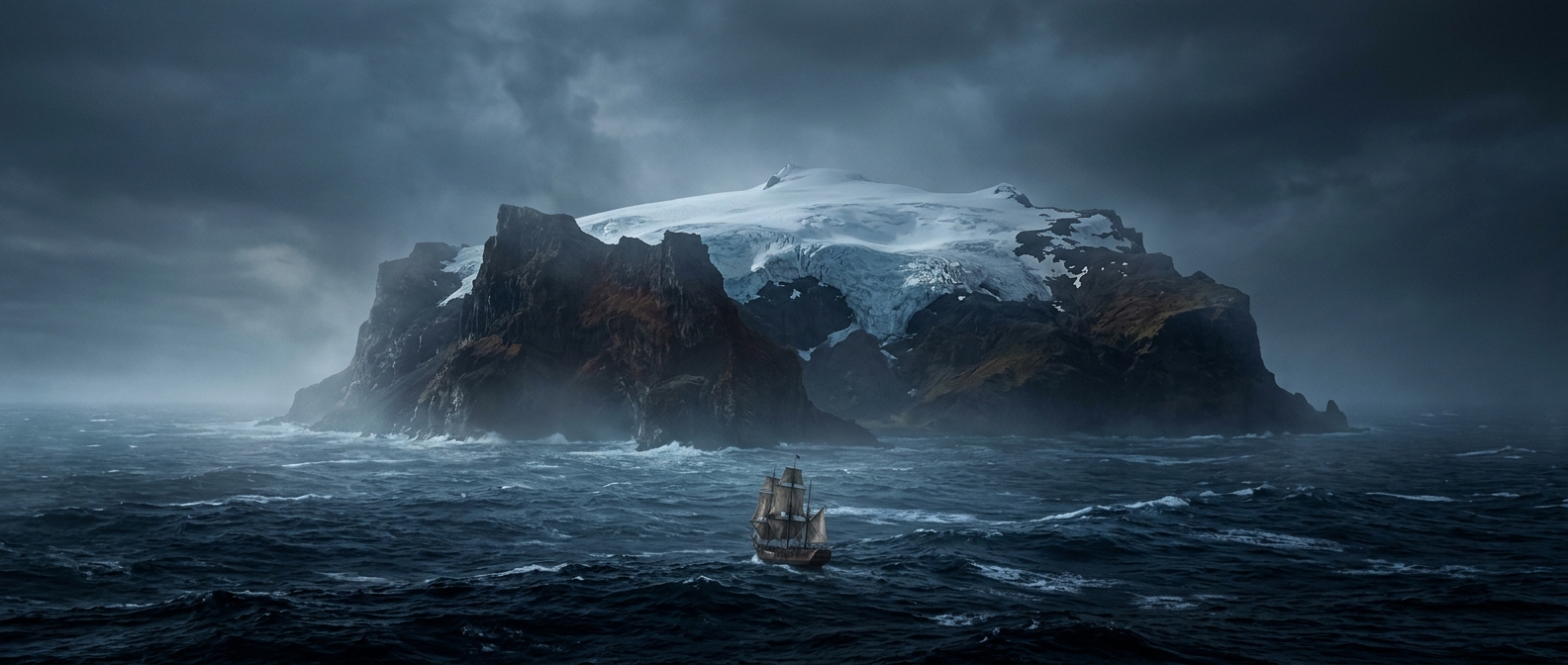
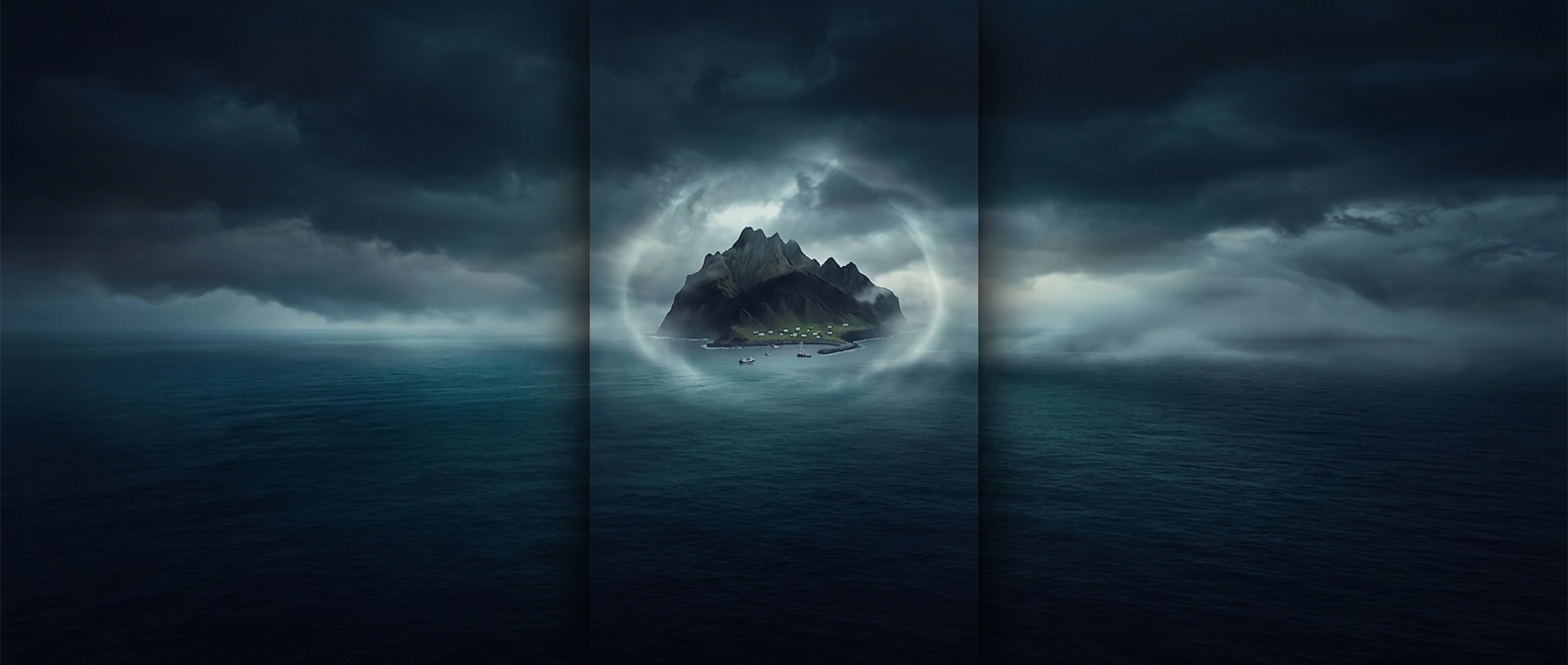
Tristan da Cunha is not simply far from a nearby airport: the main island has no airstrip, so the ocean is the link to the outside world. The island’s steep, volcanic terrain leaves little level ground for a runway, and building one would be a major engineering challenge in an exposed South Atlantic setting.
That makes a voyage from South Africa part of the practical cost of any visit. Travel depends on ships, available berths, and conditions at sea rather than on frequent flights. The crossing can take days, and rough weather can disrupt plans; there is no quick flight alternative if a departure is delayed.
Distance shapes everyday life
The same constraint applies to supplies. Goods and equipment have to arrive by ship, so residents cannot rely on the kind of rapid restocking or easy delivery that people near an airport often take for granted. Medical travel and other urgent journeys also require careful coordination with vessels and conditions.
For visitors, the journey is therefore more than a scenic prelude. It determines when a trip can happen and how much flexibility travelers need to build in. On Tristan da Cunha, remoteness is not just a point on a map: it is a daily logistical fact, measured in ship schedules and weather windows.