Why a Basket Could Outperform a Cart
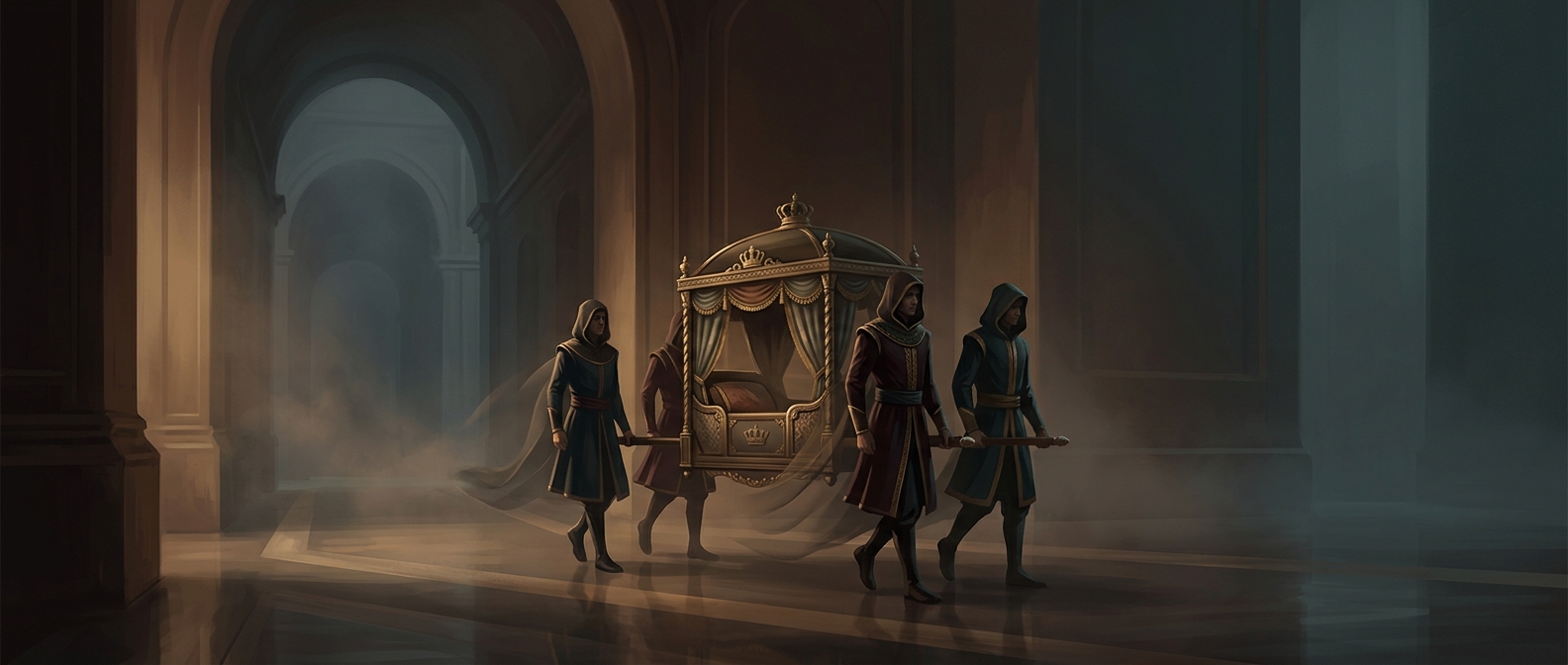
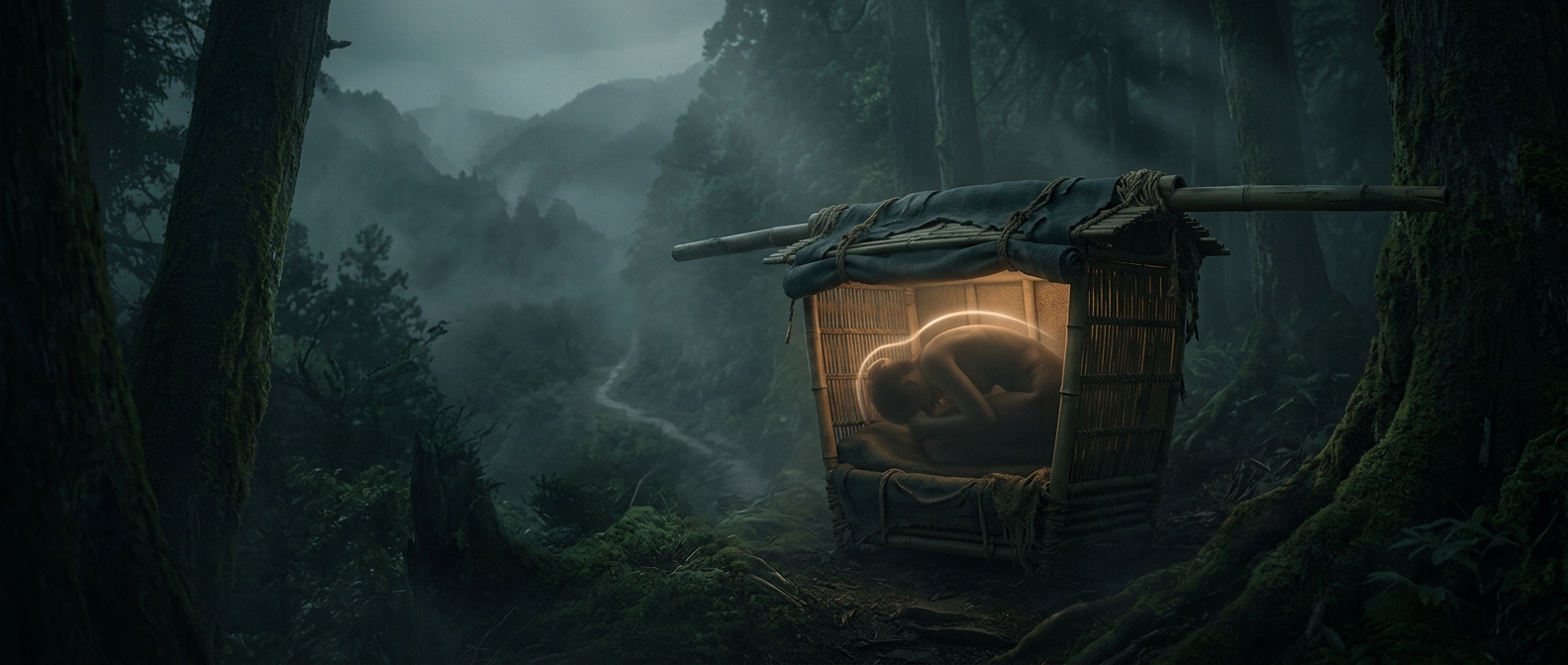
A carried bamboo seat solved a problem that wheels could not: many roads were too narrow, steep, muddy, or uneven for a wheeled vehicle to pass comfortably. The passenger sat in a suspended basket, while porters carried it on poles. Bamboo made the seat relatively light, but the journey still depended on people supplying the lifting force.
The Poles Did More Than Hold the Seat
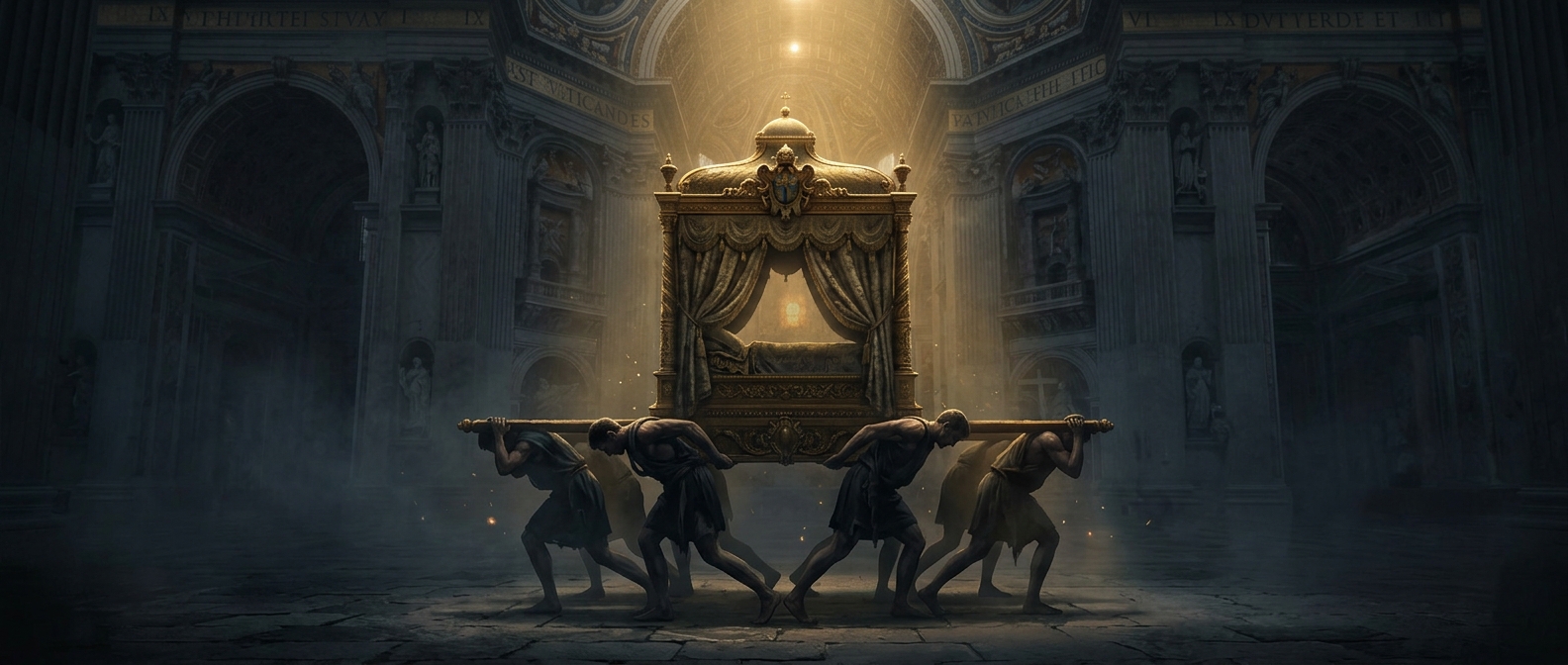
Suspending the basket between poles let the carriers share its weight. The arrangement also gave the seat some room to move as they walked. That movement could soften a jolt from a rut or stone, much as a hanging seat swings, but it could also make the ride sway. The carriers had to keep their pace and footing coordinated so the load stayed balanced.
This was a tradeoff, not a hidden form of mechanical transport: the basket could go where a cart struggled, but it moved only as fast as its bearers and required their physical effort. A rough route might favor a portable seat; a long, smooth road would make carrying a passenger a costly choice.
A Vehicle Built Around the Road
The design makes the landscape part of the transport system. Instead of widening or smoothing a route to suit wheels, travelers could be lifted over difficult stretches. The price was paid in labor, and the ride’s comfort depended on the terrain and the carriers’ rhythm. The bamboo basket was therefore less a miniature carriage than a practical answer to a basic constraint: when the road could not carry a vehicle, people carried the passenger.