A procession built for visibility
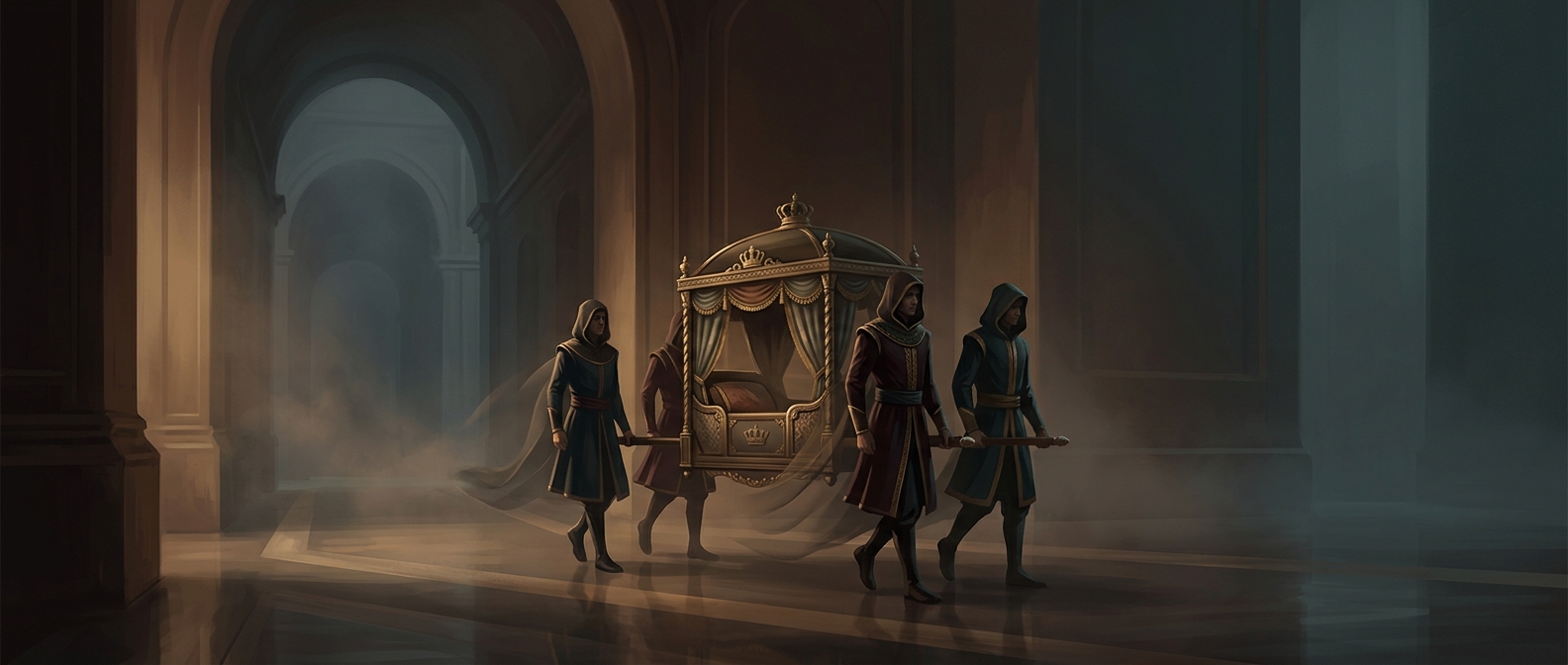
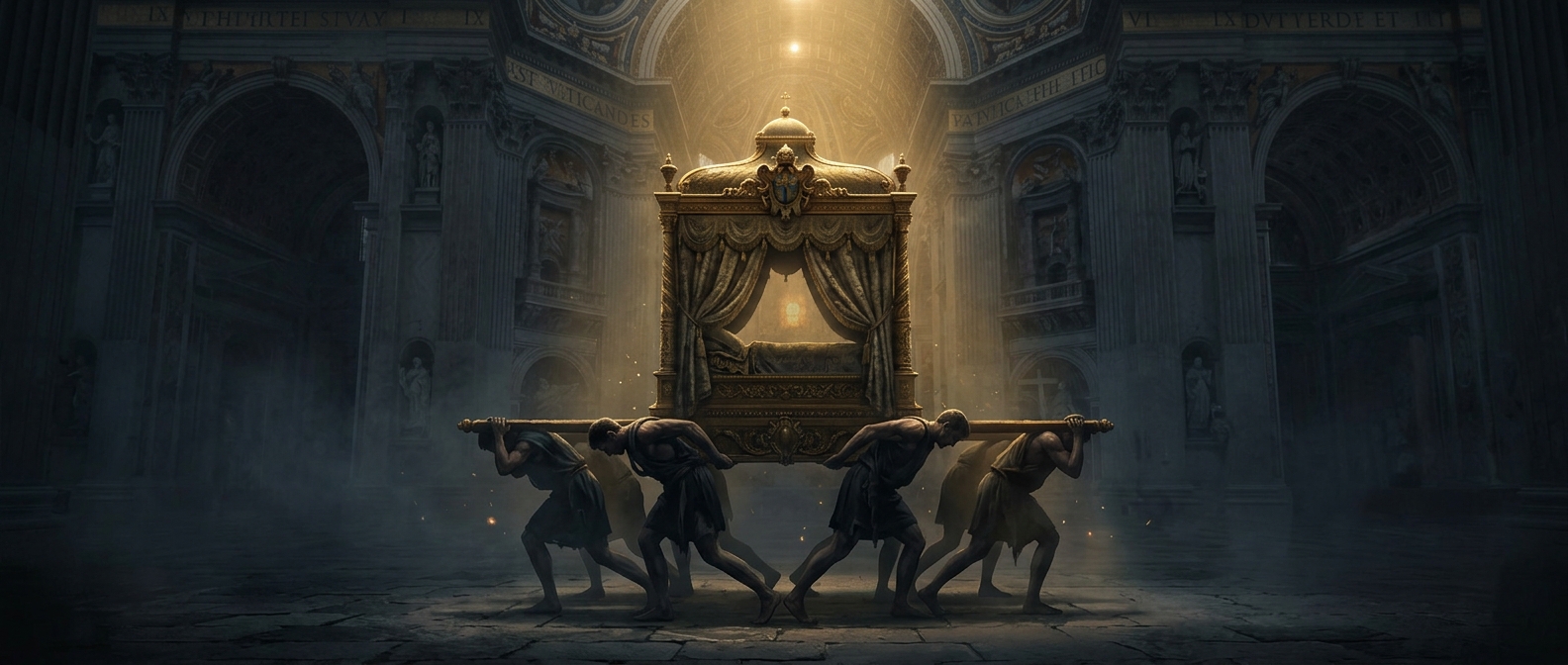
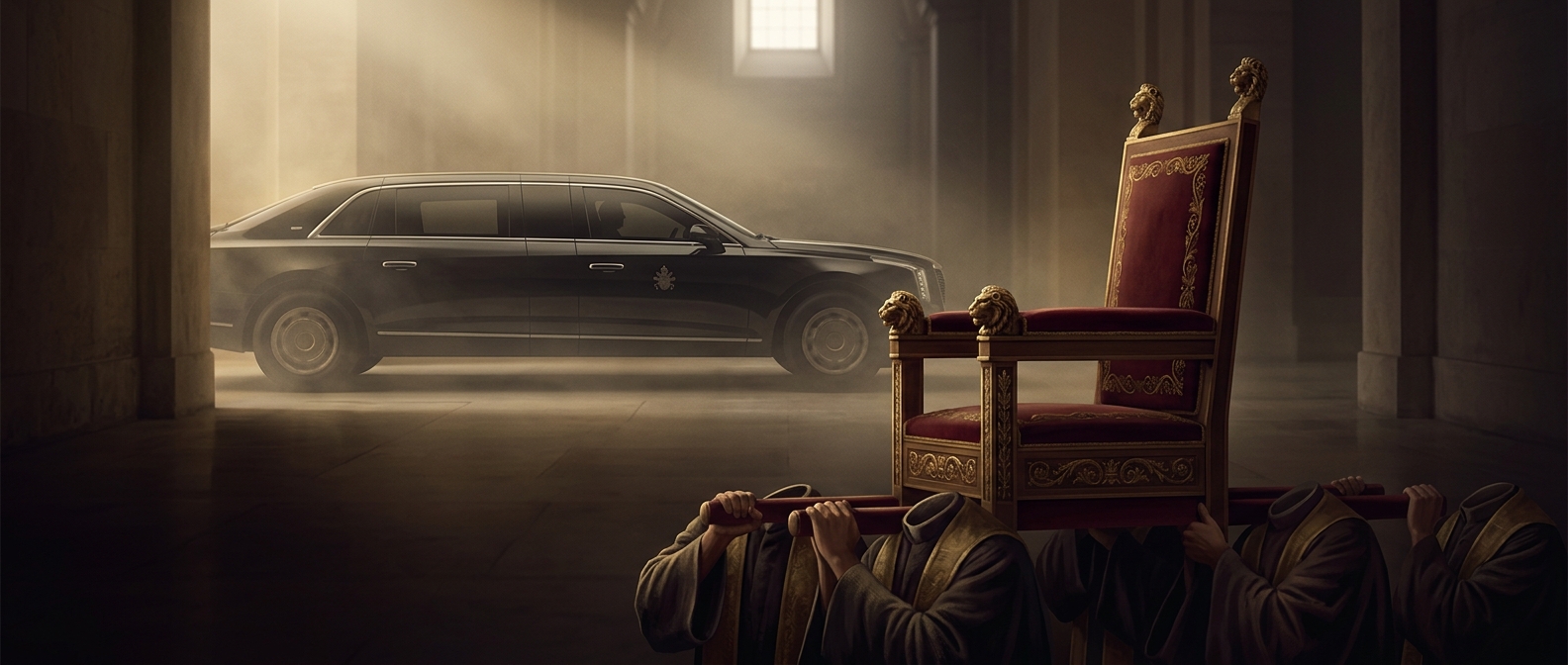
In a dense crowd, a pope walking at ground level could disappear behind shoulders, banners, and guards. The raised chair—known as a sedia gestatoria—solved that practical problem: attendants carried the seated pope above the crowd, making him visible as the procession moved.
The chair was not simply a throne on the march. Its platform and long carrying poles shifted the work to a team of bearers, who had to keep it steady while moving through a confined, uneven route. That made the procession slow and deliberate rather than a quick passage through a square.
Elevation changed the encounter
The height did more than improve the view. It made the pope the procession’s visual focal point, while the bearers formed a moving frame around him. People could follow his progress without needing to push toward the front, and the elevated seat helped preserve a clear ceremonial presence amid the crowd.
The arrangement also depended on the setting: it was most useful where large gatherings and narrow sightlines made a person on foot hard to see. In that sense, the chair functioned as crowd-facing transport as much as ceremony. Its defining feature was not speed, but a simple tradeoff: attendants carried the weight so the crowd could see the person being carried.