Asking the Dead for Knowledge
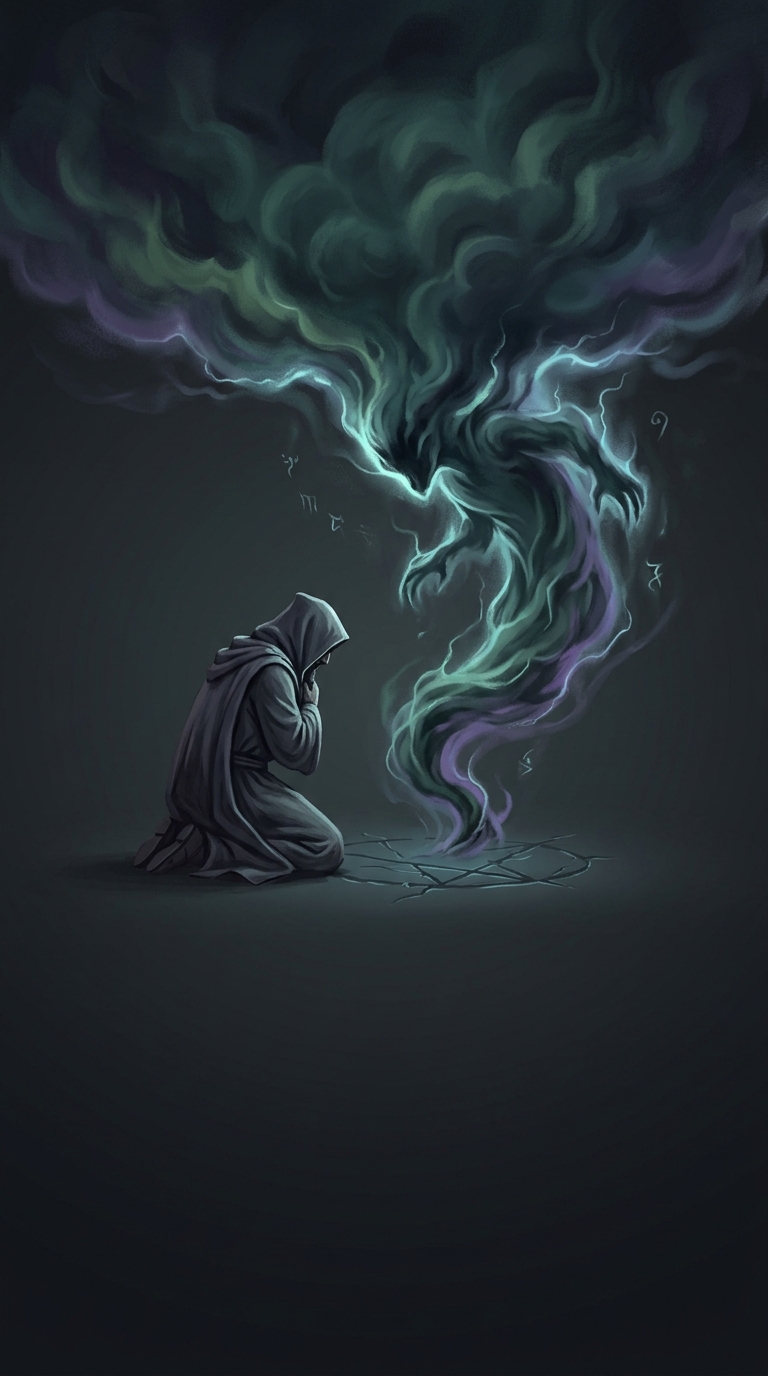
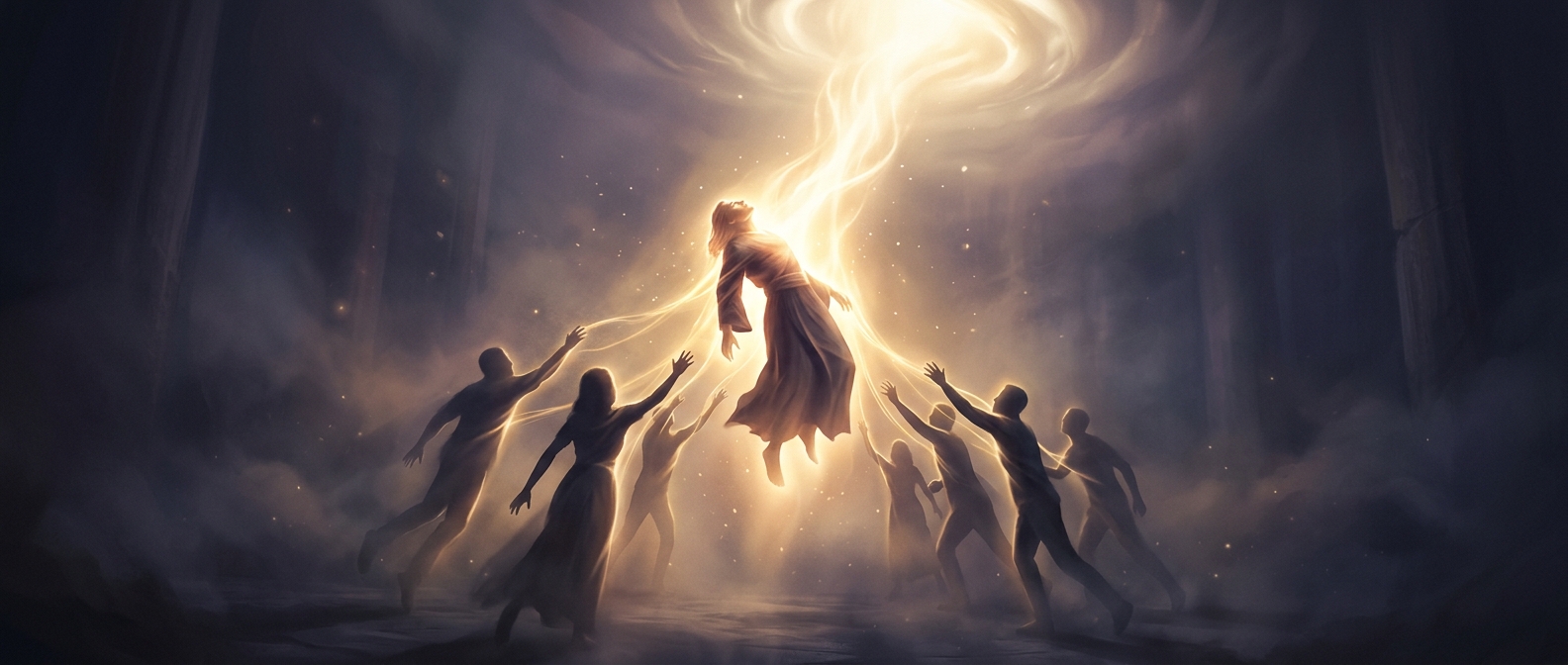
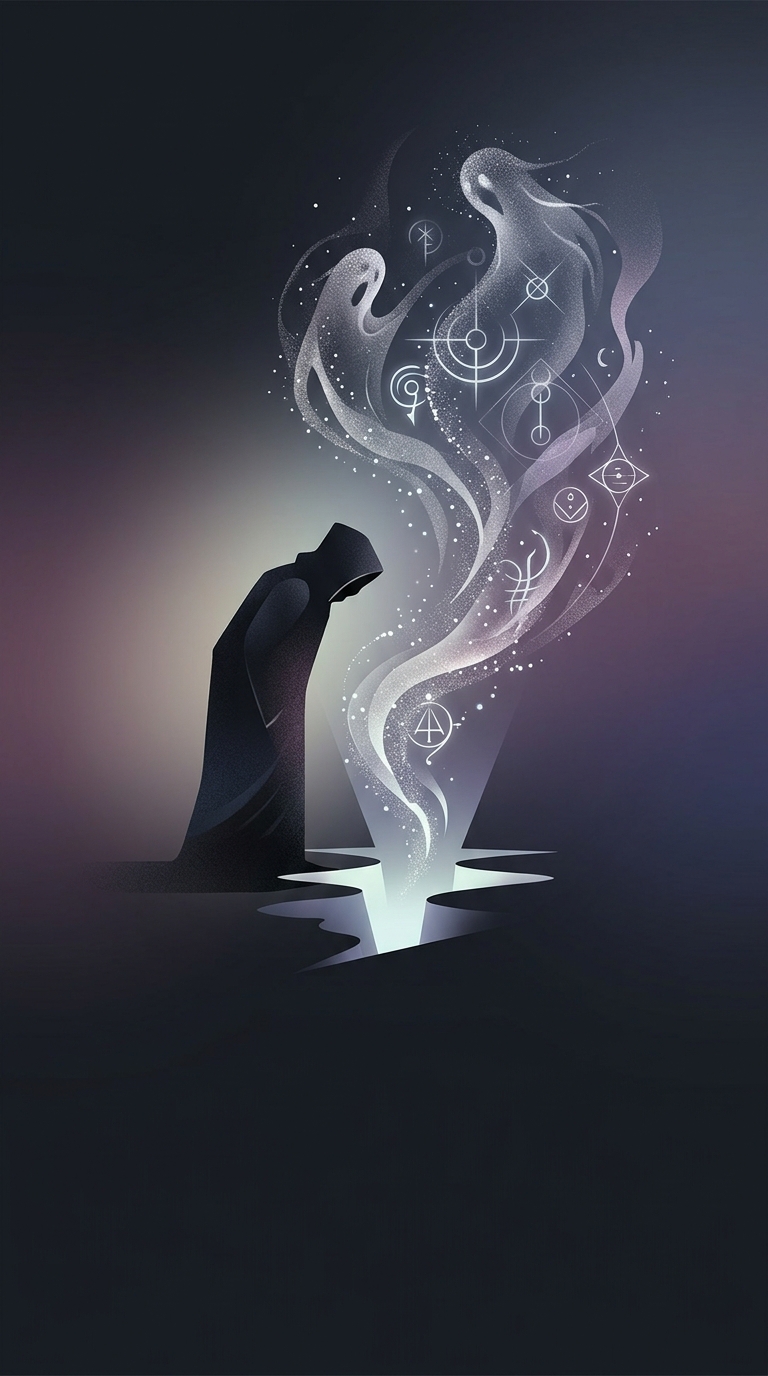
In its older sense, necromancy was a way to seek information from the dead, especially guidance about events to come. The word comes from Greek roots for “dead” and “divination.” It described a kind of consultation, not an attack by reanimated bodies.
The logic was that the dead might know what the living could not. Having passed beyond ordinary human life, they were imagined as able to see more of what lay ahead. A seeker therefore approached a spirit as a source of hidden knowledge, much as someone might consult an oracle.
A Ritual of Contact
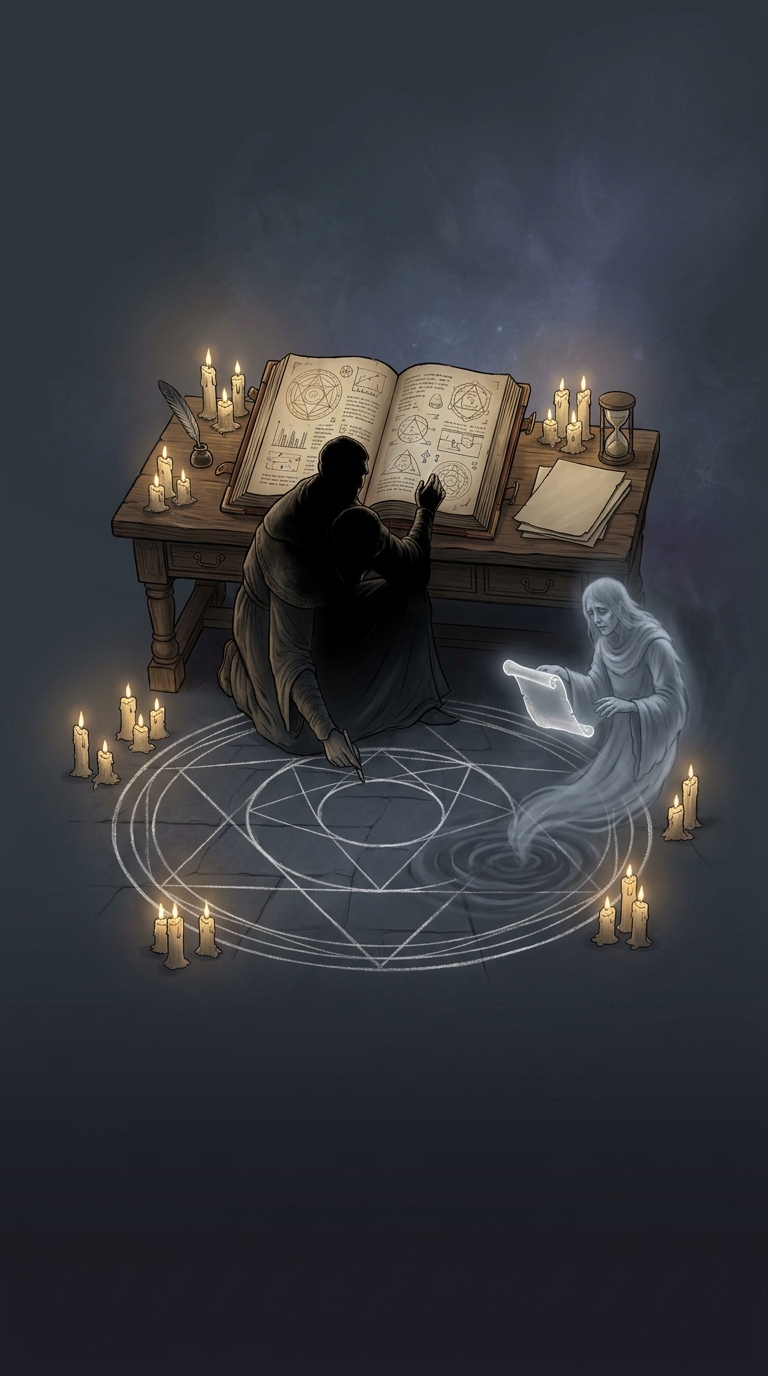
Ancient accounts often depict the encounter as deliberate and tightly staged: a person travels to a place associated with the dead, performs rites, and calls for a spirit to appear or answer. In Homer’s Odyssey, for example, Odysseus visits the realm of the dead to ask the prophet Tiresias about his journey home. The episode is a literary portrayal, not a record proving how every historical practitioner worked, but it shows how compelling the idea of consulting the dead was.
The practice depended on a boundary: the dead were normally beyond reach, so contact required special rites and a setting marked as otherworldly. The point was to obtain a message, not to make the spirit a servant or weapon.
How the Meaning Changed
Over time, the term became associated more broadly with magic involving the dead, graves, or corpses. That later sense helped make necromancy a staple of horror and fantasy, where the dead are raised to do physical harm. But the older image is quieter and more unsettling: a living person seeking an answer from someone believed to know what the future held.