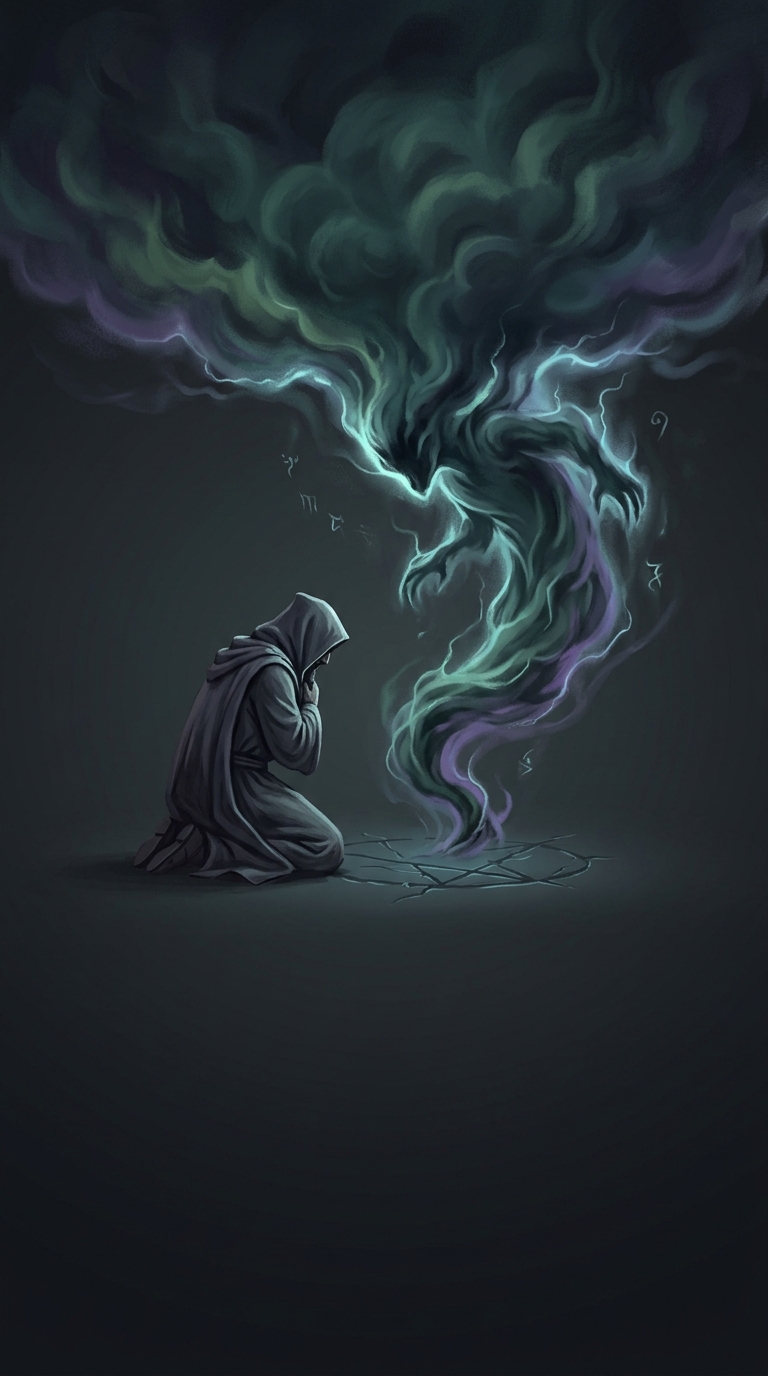
A king with no answer
On the eve of battle, Saul faced a problem more frightening than the Philistine army: he could not learn what would happen. The biblical account says he received no answer from God through dreams, the sacred lots used for guidance, or prophets. With his usual channels silent, he turned to a medium—someone believed to communicate with the dead.
That choice cut against Saul’s own order. Earlier, he had driven mediums and spiritists from the land. In the story, his disguise lets him approach the woman at Endor without revealing that he is the king whose policy could put her at risk.
The encounter at Endor
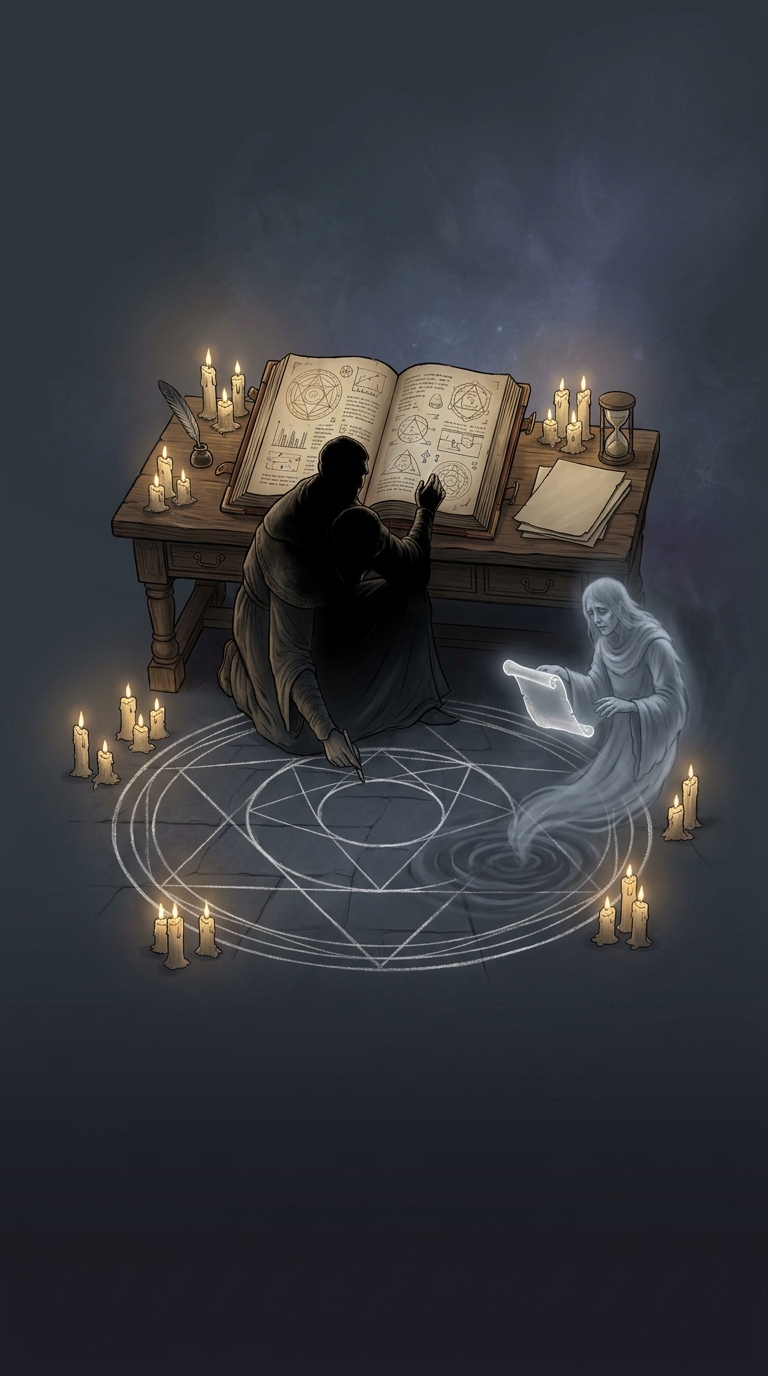
Saul asks the medium to bring up Samuel, the prophet who had once advised him. She initially objects, fearing a trap, but agrees after Saul swears she will not be punished. When Samuel appears, the woman recognizes Saul, and the king asks the dead prophet what to do.
Samuel offers no strategy for winning the battle. Instead, he repeats the judgment that Saul has lost his kingdom and predicts that Saul and his sons will die in the coming fight. The narrative presents the encounter as a grave announcement, not a loophole that gives Saul useful control over the future.
Why the contradiction matters
The episode turns Saul’s ban into more than simple inconsistency. In a crisis, the king reaches for the very practice he had outlawed because he has exhausted the sources of guidance he trusted. His disguise signals that he knows the act is forbidden; his desperation shows how little confidence he has left in any other path.
The story’s consequence is immediate: Saul goes into battle carrying a prediction of defeat and death, rather than reassurance. At Endor, his authority cannot make the warning disappear.